Professional commercial display solution provider

Understanding Commercial LCD Displays: Technologies, Applications, and Market Trends
Introduction: Why Commercial LCD Displays Matter Today
Commercial LCD displays have become a fundamental component of modern business environments. From retail information systems and self-service terminals to industrial control panels and transportation infrastructure, LCD-based visual interfaces are now deeply integrated into commercial operations. Unlike consumer displays, commercial LCD displays are designed with long operating cycles, stable performance, and system-level integration in mind.
As businesses continue to digitize their workflows and customer touchpoints, the demand for reliable, scalable, and application-oriented display solutions is steadily increasing. This shift has placed greater attention on commercial LCD display modules, which serve as the core building blocks for complete display systems.
What Defines a Commercial LCD Display
A commercial LCD display is not defined solely by screen size or resolution. Instead, it is characterized by its operational requirements and deployment environment. Compared with consumer-grade panels, commercial displays typically emphasize:
-
Continuous or extended operating time
-
Electrical and mechanical stability
-
Compatibility with embedded systems
-
Consistent optical performance across production batches
Commercial LCD displays are often integrated into larger systems, such as kiosks, control consoles, or automation equipment. As a result, the LCD module, rather than the finished monitor, is the key element that determines long-term reliability.
Core Technologies Behind Commercial LCD Displays
Modern commercial LCD displays are built upon mature yet evolving technologies. TFT LCD remains the dominant architecture due to its balance of performance, availability, and cost control.
Key technical considerations include:
Display Resolution and Aspect Ratio
Commercial applications demand a wide range of resolutions, from standard formats to customized ratios for specific interfaces. The goal is not visual excess, but clarity and functional readability.
Brightness and Contrast Stability
Commercial environments often involve varying ambient lighting conditions. Stable luminance and contrast ensure visibility in both indoor and semi-outdoor settings.
Interface and System Compatibility
LVDS, eDP, and MIPI interfaces are commonly used in commercial LCD modules, enabling smooth integration with industrial boards and embedded processors.
Thermal and Electrical Design
Commercial LCD displays must operate reliably across extended temperature ranges, particularly in industrial or transportation-related use cases.
Application Scenarios in Commercial Environments
Commercial LCD displays are deployed across a wide spectrum of industries, each with its own system requirements.
Retail and Information Display Systems
In retail environments, LCD displays support digital signage, price labeling systems, and interactive information terminals. These applications require consistent image quality and long service life.
Industrial and Automation Equipment
Industrial control panels rely on LCD modules for real-time data visualization. Stability and compatibility with control hardware are more critical than aesthetic considerations.
Transportation and Infrastructure
LCD displays are widely used in ticketing machines, passenger information systems, and onboard control panels. Reliability under continuous operation is a key requirement.
Self-Service and Kiosk Systems
Self-service terminals depend on commercial LCD displays for user interaction. Touch compatibility and long-term supply consistency are often decisive factors during system design.
The Role of LCD Modules in Commercial Display Systems
In commercial applications, system integrators rarely select complete consumer displays. Instead, they rely on commercial LCD display modules that can be integrated into custom enclosures and electronic architectures.
A representative example of such a module can be found in this commercial LCD display module, which illustrates how panel specifications, interface options, and mechanical design are aligned with professional system requirements rather than consumer entertainment use.
By selecting the appropriate LCD module, system designers can optimize product lifespan, maintenance cycles, and long-term sourcing stability.
Supply Chain Stability and Long-Term Availability
One of the most critical aspects of commercial LCD displays is supply continuity. Commercial projects often have product lifecycles measured in years rather than months. Sudden panel discontinuation can significantly impact system maintenance and upgrades.
This is why professional display manufacturers focus on:
-
Long-term panel sourcing strategies
-
Batch-to-batch optical consistency
-
Documentation and engineering support
Companies specializing in commercial display solutions, such as Duobond Display, position their product lines to align with these long-term commercial needs rather than short consumer trends.
Market Trends in Commercial LCD Displays
The commercial display market continues to evolve alongside automation and digital transformation trends. Key developments include:
-
Increased adoption of embedded display systems
-
Demand for customized sizes and interfaces
-
Greater emphasis on reliability over extreme specifications
Rather than chasing cutting-edge consumer features, commercial LCD displays prioritize predictable performance and system compatibility.
Conclusion: Building Commercial Systems Around the Right Display
Commercial LCD displays are no longer optional components—they are essential interfaces between digital systems and real-world operations. Understanding the technical foundations, application contexts, and supply considerations behind these displays enables businesses to design more reliable and scalable commercial products.
By working with manufacturers experienced in commercial LCD display modules and system-level integration, businesses can ensure that their display solutions remain stable throughout the entire product lifecycle.
For organizations developing or upgrading commercial display systems, exploring professional commercial display solutions is a practical step toward building long-term, application-driven products.
Recommended reading
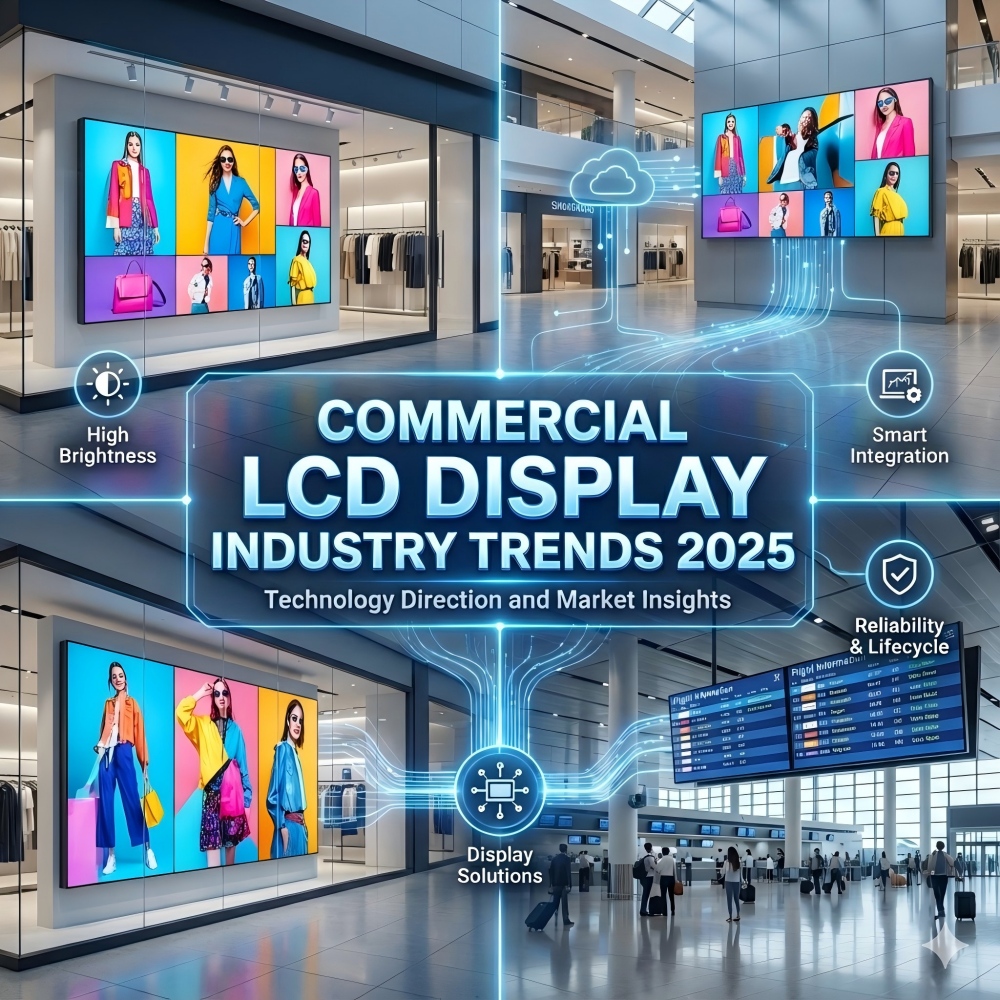 2025-12-29Commercial LCD Display Industry Trends and Market Insights for 2026
 2025-12-23Why Custom Commercial Displays Are Becoming Standard in Modern Systems
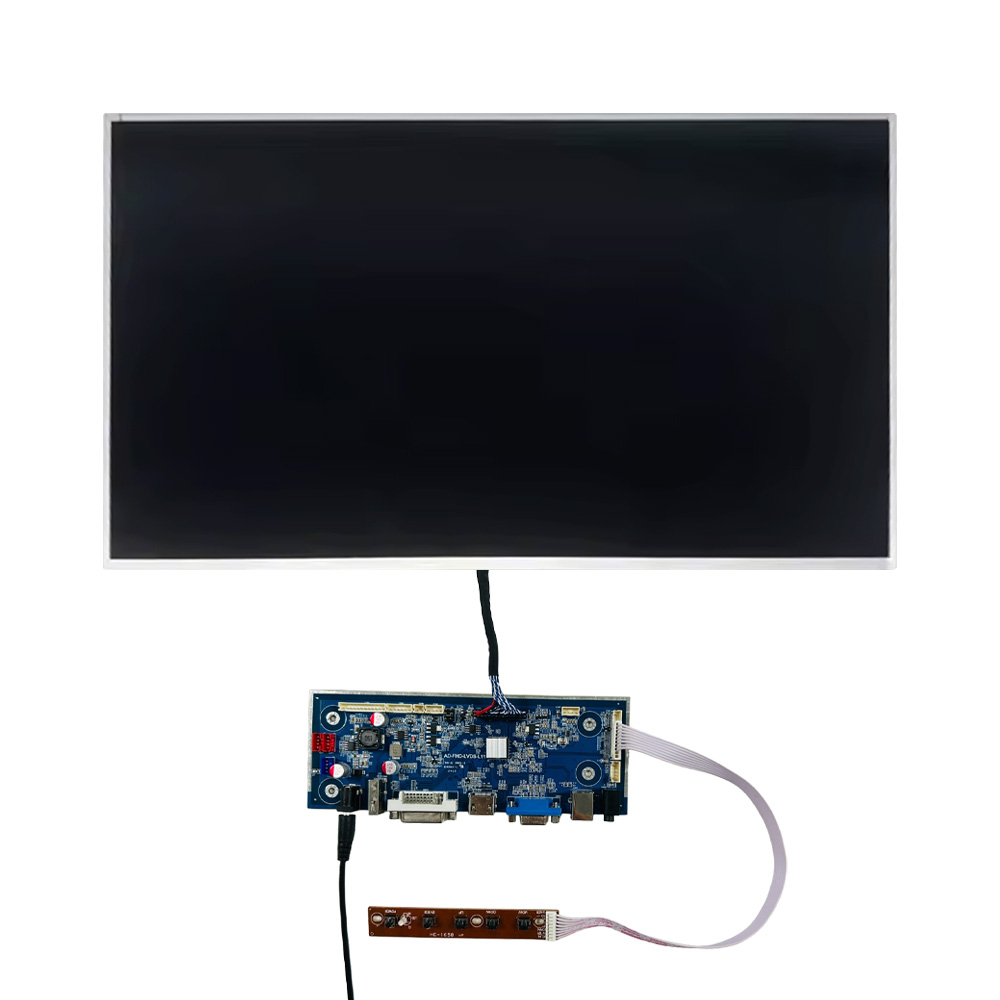 2025-12-17Advancing Outdoor Visual Systems with High-Brightness, Wide-Temperature LCD Technology
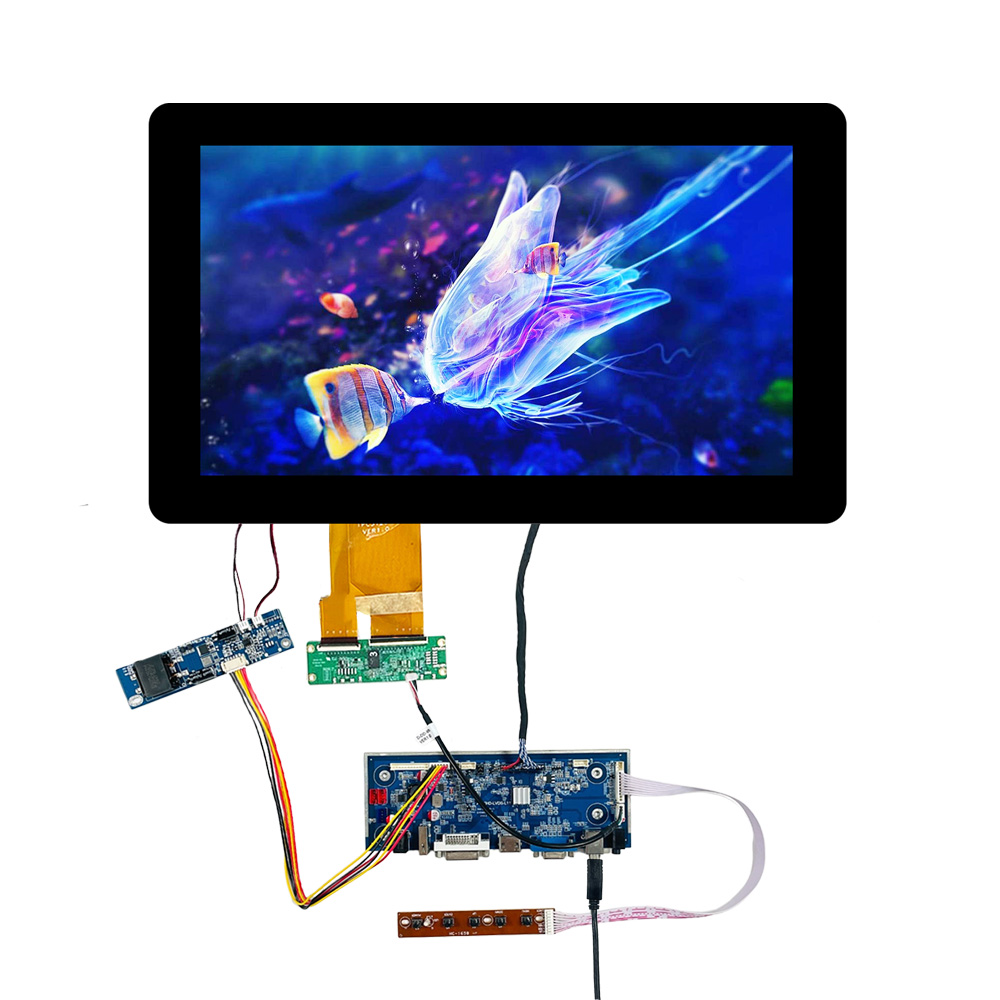 2025-12-10Outdoor Commercial LCD Modules for Wide Temperature High-Brightness Advertising Displays
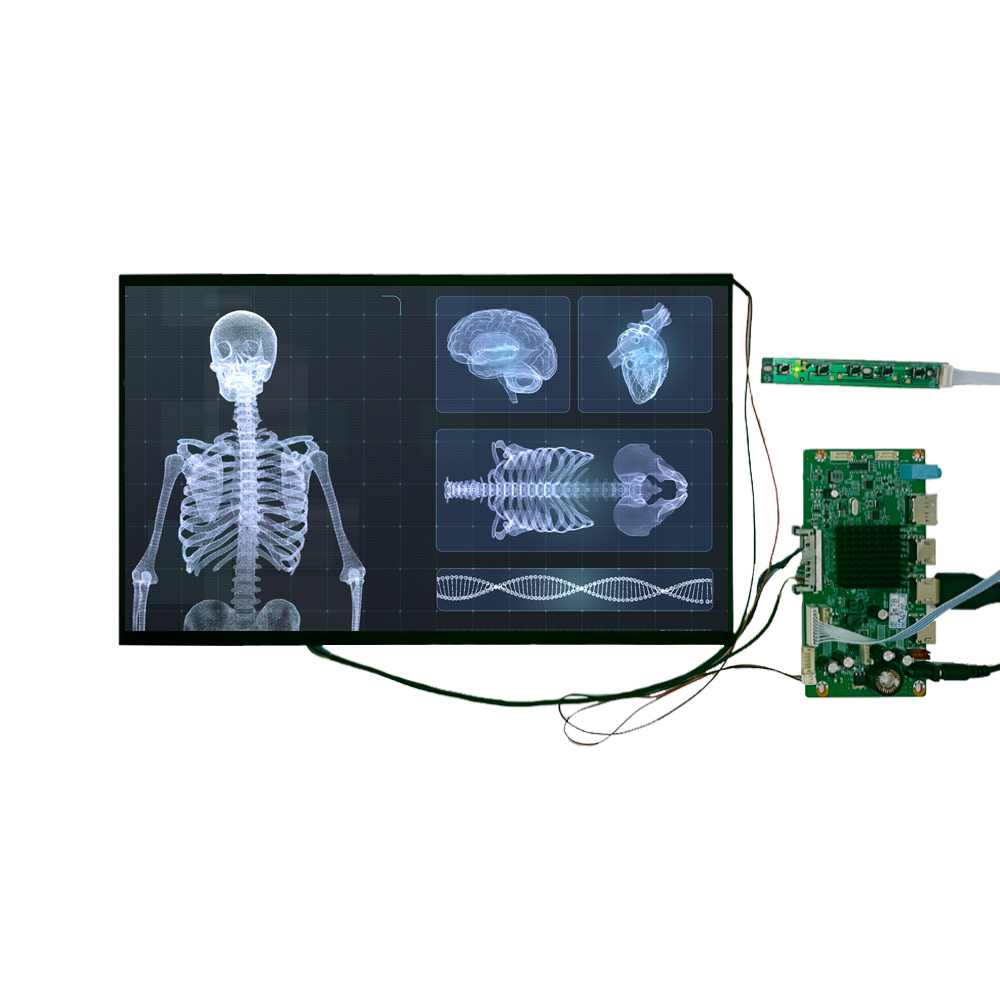 2025-12-0215,6-Zoll 4K Medical Display Module für hochpräzise diagnostische Bildgebung


Products
Commercial LCD Display
Gaming LCD Module
High Resolution Medical Display
Outdoor Display
E-ink LCD Display
Desk VR Monitor
OLED Display
Total Solutions
Service
Custom Touch Screen Solutions
Customized Frames & Protective Cover Glass
LCD Driver Board & Accessory Customization
Contact us
Contact Us
Copyright © 2025 Shenzhen Aptus Technology Co.,Ltd All Rights Reserved.

-
Inquire
- Top