Professional commercial display solution provider

Why Sunlight Readable LCD Displays Are Essential for EV Charging Stations and Outdoor Terminals
The Rise of Outdoor Digital Interfaces
Over the past decade, digital interfaces have expanded far beyond indoor environments. Increasingly, screens are being integrated into outdoor infrastructure such as public transportation terminals, parking systems, ticket kiosks, and electric vehicle (EV) charging stations. These interfaces allow users to access information, complete transactions, and monitor equipment in real time.
Among these applications, EV charging stations have become one of the fastest-growing areas where outdoor displays play a critical role. As electric vehicles continue to gain global adoption, charging networks are expanding rapidly in urban environments, highways, commercial parking lots, and residential complexes.
For users interacting with these systems, the display interface is often the primary point of communication. Drivers rely on the screen to check charging status, confirm payment, select charging modes, or read operational instructions. Because most charging stations are installed outdoors, the display must remain readable under a wide range of environmental conditions.
This is where sunlight readable LCD technology becomes essential. Unlike conventional screens designed for indoor environments, outdoor LCD displays must be engineered to maintain clarity even under direct sunlight, high temperatures, and prolonged operational hours.
Visibility Challenges in Outdoor Environments
Designing displays for outdoor equipment introduces several challenges that are not typically encountered in indoor devices. The most significant issue is visibility under bright ambient light.
Sunlight can exceed 10,000 nits of luminance, which easily overwhelms standard LCD panels typically designed with brightness levels between 200 and 400 nits. When a display is exposed to direct sunlight, several problems may occur:
-
Screen content becomes washed out
-
Colors lose contrast
-
Reflections appear on the glass surface
-
Users struggle to read instructions
For applications such as EV charging stations, these issues can lead to poor user experience or operational confusion. If a driver cannot clearly see charging instructions or payment information, the interface becomes difficult to use.
To address these challenges, outdoor systems increasingly rely on high-brightness sunlight-readable displays, which are designed specifically for environments where strong ambient light is unavoidable.
Technical examples of these outdoor display solutions can be seen in modern industrial outdoor LCD modules, which incorporate brightness optimization and optical engineering to improve daylight visibility. Detailed specifications of such technologies can be explored in resources describing
sunlight readable outdoor LCD display modules used in various outdoor electronic systems.
Why EV Charging Stations Require High-Brightness Displays
Electric vehicle charging stations are often installed in locations where environmental exposure is unavoidable. Examples include:
-
Public parking areas
-
Highway rest stops
-
Commercial centers
-
Residential complexes
-
Roadside charging networks
These installations must remain operational at all times and must provide clear instructions to users unfamiliar with the charging system.
Because charging sessions may occur during any time of day, displays must remain readable under both daytime sunlight and nighttime lighting conditions.
High-brightness LCD technology addresses these needs by providing:
1. Clear Daylight Visibility
Displays with brightness levels of 1000 nits or higher significantly improve visibility in outdoor environments. This allows text and interface elements to remain readable even when sunlight directly illuminates the screen.
2. Consistent User Experience
Charging stations are used by a wide range of drivers, including first-time users. A clear and readable interface reduces confusion and ensures that users can complete charging sessions smoothly.
3. Reliable Operation in Public Environments
Outdoor equipment must operate continuously without frequent maintenance. Industrial LCD modules are designed to support long operational lifespans and stable performance.
The Role of Optical Engineering in Outdoor Displays
Brightness alone does not guarantee good outdoor readability. Optical engineering plays an equally important role in improving the visibility of outdoor LCD screens.
Several techniques are commonly used in sunlight-readable displays.
Optical Bonding
Optical bonding is widely used in outdoor displays to eliminate the air gap between the LCD panel and the protective glass layer. This process reduces internal reflections that would otherwise degrade screen clarity.
Benefits of optical bonding include:
-
Reduced glare
-
Higher contrast ratio
-
Improved impact resistance
-
Better readability under strong light
Anti-Reflective Coating
Anti-reflective (AR) coatings minimize the amount of ambient light reflected by the screen surface. This technology is particularly useful in environments where sunlight strikes the display at various angles.
Anti-Glare Surface Treatments
Anti-glare (AG) coatings scatter reflected light, preventing mirror-like reflections that could obscure the display.
Together, these technologies help ensure that outdoor screens remain readable under diverse lighting conditions.
Temperature Stability for Outdoor Equipment
Another major challenge for outdoor displays is temperature variation. Outdoor equipment may experience extremely cold winters and hot summer conditions depending on geographic location.
Standard LCD displays typically operate within a temperature range of 0°C to 50°C, which may be insufficient for outdoor infrastructure.
Industrial outdoor LCD modules are therefore designed with extended temperature ranges such as:
–30°C to +80°C
To achieve this performance, manufacturers use specialized liquid crystal materials and industrial-grade electronic components that maintain stable operation across extreme conditions.
Engineers selecting displays for outdoor equipment often consult technical resources related to
outdoor LCD display solutions for industrial environments in order to better understand the design features required for long-term reliability.
Continuous Operation Requirements
Many outdoor terminals must operate 24 hours a day, 7 days a week. EV charging stations, for example, must remain accessible to drivers at all times.
Continuous operation creates several design considerations for display systems.
Backlight Durability
LED backlight systems must maintain consistent brightness over long periods of time. Industrial displays often target backlight lifespans exceeding 50,000 hours.
Thermal Management
Higher brightness levels generate more heat, which must be properly managed to prevent performance degradation. Display systems may incorporate heat-dissipation structures or aluminum backplates to help distribute heat efficiently.
Power Efficiency
Outdoor equipment often relies on limited power infrastructure. Efficient LED drivers and optimized backlight systems help reduce power consumption while maintaining high brightness levels.
Outdoor Terminals Beyond EV Charging
Although EV charging stations are a prominent application, sunlight-readable displays are also used in many other outdoor systems.
Transportation Kiosks
Bus stops, train stations, and ticketing machines rely on outdoor displays to provide schedules and route information to travelers.
Parking Payment Systems
Modern parking terminals often use LCD interfaces that must remain readable in direct sunlight.
Industrial Control Panels
Factories, logistics centers, and energy facilities sometimes deploy outdoor control terminals for monitoring and maintenance tasks.
Smart City Infrastructure
Urban digitalization initiatives increasingly depend on outdoor display technology to deliver public information and system status updates.
The Future of Outdoor Display Interfaces
As cities become more digitally connected and infrastructure systems grow more intelligent, outdoor display technology will continue to evolve.
Several trends are shaping the next generation of outdoor LCD systems:
-
Increased brightness efficiency
-
Lower power consumption
-
Wider operating temperature ranges
-
Integration with touch interfaces
-
Improved durability in harsh environments
At the same time, the rapid growth of EV charging infrastructure is likely to drive further innovation in outdoor user interface design.
Reliable, readable displays will remain a critical component of these systems, ensuring that users can interact with public infrastructure safely and efficiently.
Conclusion
Sunlight-readable LCD displays have become an essential technology for outdoor infrastructure. From EV charging stations to public kiosks and industrial terminals, these displays enable users to interact with systems that operate in challenging environmental conditions.
By combining high brightness, optical engineering, and wide-temperature design, modern outdoor LCD modules can maintain clear visibility under direct sunlight while delivering long-term reliability.
As outdoor digital interfaces continue to expand across transportation, energy, and urban infrastructure, the role of sunlight-readable display technology will become increasingly important in ensuring that these systems remain accessible and user-friendly.
Recommended reading
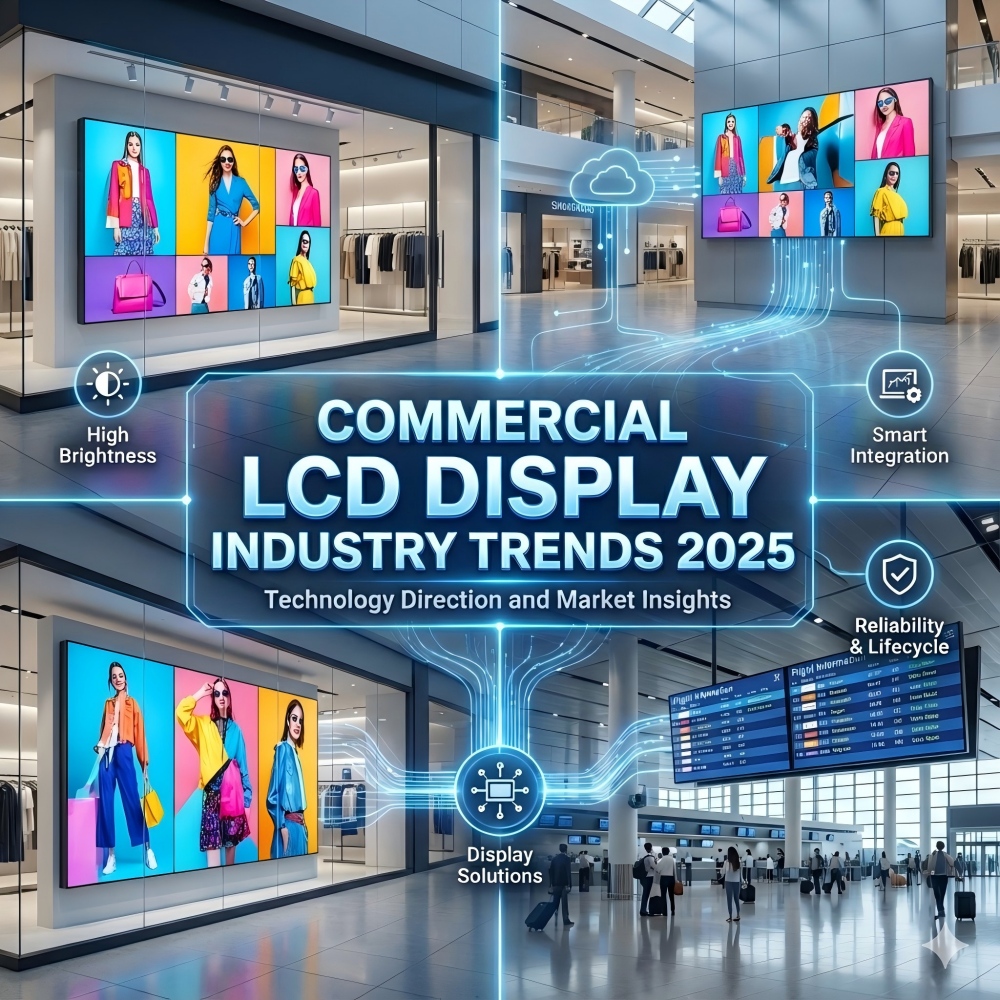 2025-12-29Commercial LCD Display Industry Trends and Market Insights for 2026
 2025-12-23Why Custom Commercial Displays Are Becoming Standard in Modern Systems
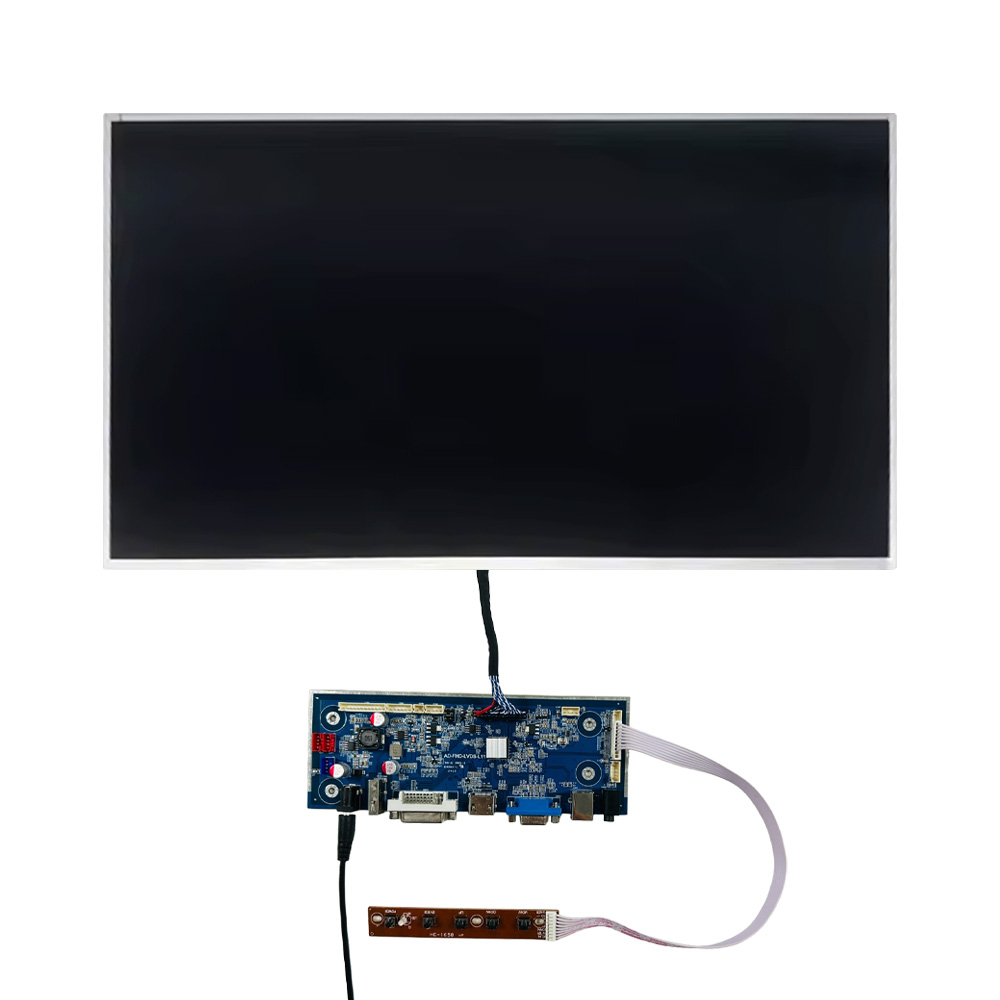 2025-12-17Advancing Outdoor Visual Systems with High-Brightness, Wide-Temperature LCD Technology
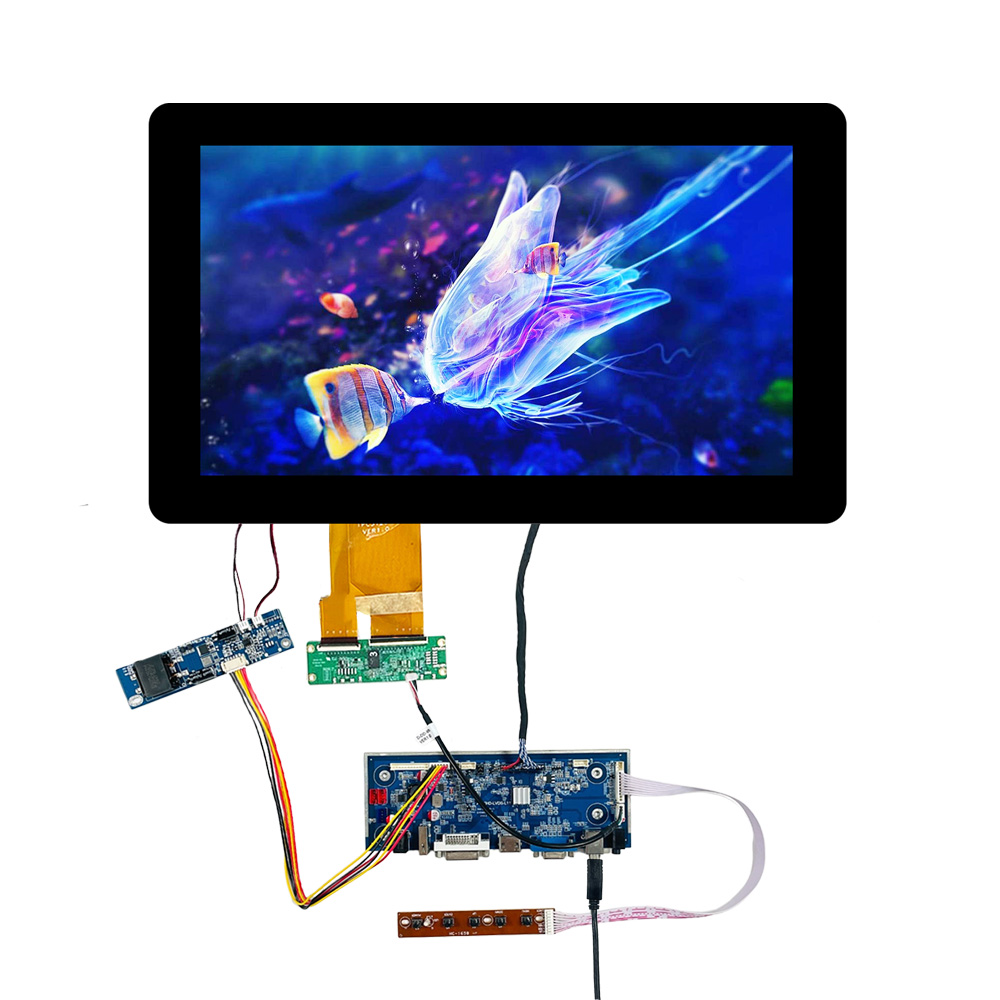 2025-12-10Outdoor Commercial LCD Modules for Wide Temperature High-Brightness Advertising Displays
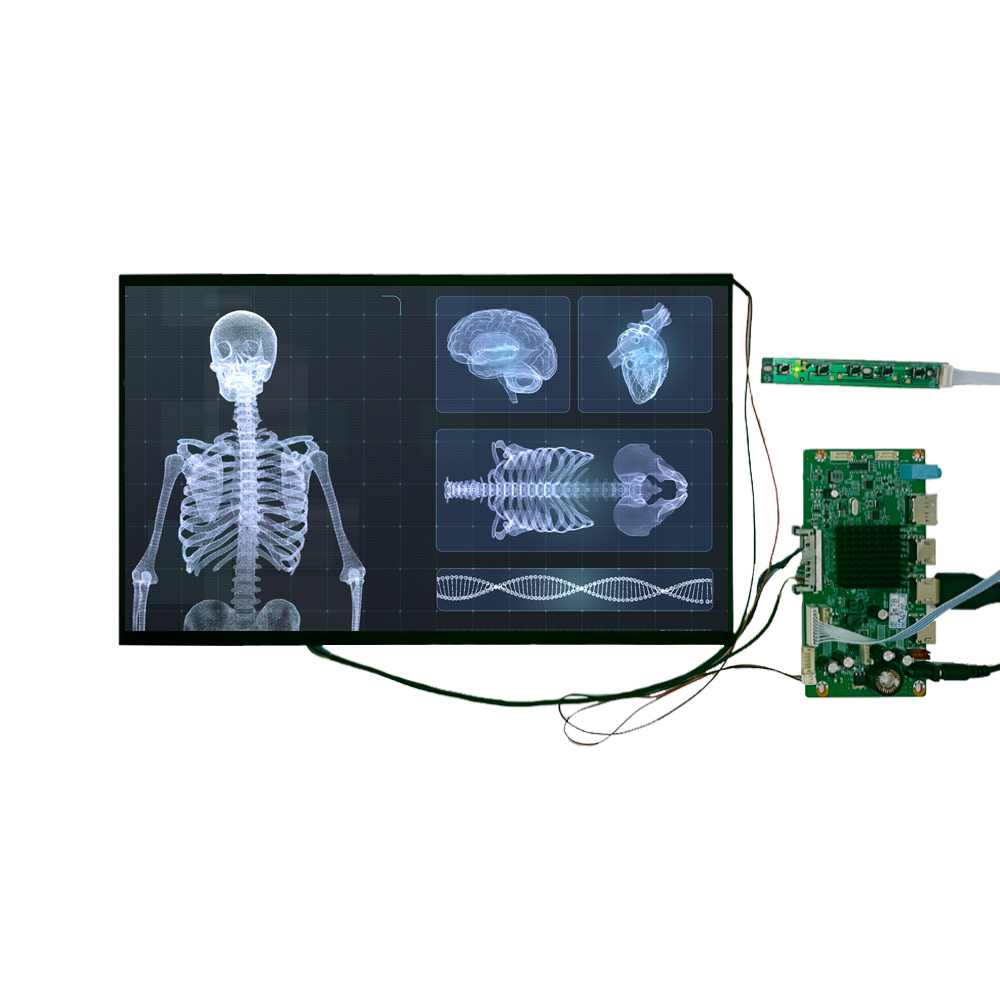 2025-12-0215,6-Zoll 4K Medical Display Module für hochpräzise diagnostische Bildgebung


Products
Commercial LCD Display
Gaming LCD Module
High Resolution Medical Display
Outdoor Display
E-ink LCD Display
Desk VR Monitor
OLED Display
Total Solutions
Service
Custom Touch Screen Solutions
Customized Frames & Protective Cover Glass
LCD Driver Board & Accessory Customization
Contact us
Contact Us
Copyright © 2025 Shenzhen Aptus Technology Co.,Ltd All Rights Reserved.

-
Inquire
- Top