Professional commercial display solution provider

How to Choose the Right LCD Module for Casino and Gaming Machines
Understanding the Importance of LCD Selection
Selecting the right LCD module for gaming machines is a critical decision for manufacturers, system integrators, and casino operators. The display is more than just a visual interface—it drives player engagement, determines the perceived quality of the machine, and directly influences revenue potential.
With the growing adoption of high-resolution displays, such as 15.6 inch 4K LCD modules, making an informed choice is increasingly complex. Developers must consider resolution, color performance, brightness, interface compatibility, reliability, and environmental adaptability to ensure the display meets both technical and business requirements.
Resolution: Why 4K Matters
Resolution is the foundation of display quality. For gaming machines, 4K (3840 × 2160) provides four times the pixel density of 1080p. High-resolution displays allow:
- Detailed and sharp rendering of complex game interfaces
- More dynamic animations without pixelation
- Layering multiple UI elements without cluttering the screen
- Improved realism for themed gaming content
Choosing a 4K display ensures that game visuals remain crisp and immersive. For 15.6 inch modules, this means extremely high pixel density, delivering clarity comparable to much larger displays while maintaining a compact form factor.
Panel Technology: IPS vs Other Options
Panel technology affects color accuracy, viewing angles, and consistency under various conditions. IPS (In-Plane Switching) panels are widely recommended for gaming applications due to:
- Wide viewing angles (up to 178°) for multiple players
- Accurate and vivid color reproduction
- Consistent brightness and contrast across the display
Compared to TN or VA panels, IPS modules provide a more engaging visual experience, especially in casinos or multi-user environments where viewing from off-center angles is common.
Brightness and Environmental Adaptation
Gaming machines operate in diverse lighting conditions. Whether on a dim casino floor or in an arcade with bright ambient light, visibility is crucial. Key considerations include:
- Brightness level, usually between 300–1000 nits depending on application
- High contrast ratio for clear distinction between bright and dark areas
- Anti-glare coatings to minimize reflection
Ensuring the display is readable in all environments increases player engagement and reduces operational issues.
Reliability and Continuous Operation
Unlike consumer monitors, gaming displays often operate 24/7. Therefore, durability and reliability are essential. Quality modules are designed with:
- Long-life LED backlight systems
- Stable driver ICs and robust internal electronics
- Heat management to maintain performance during extended operation
High-reliability modules reduce maintenance costs, prevent downtime, and ensure consistent player experience over time.
Interface Compatibility and Integration
A display’s interface determines how easily it can be integrated into gaming systems. Common options include:
- eDP (Embedded DisplayPort) for direct motherboard integration
- HDMI through controller boards for flexible connectivity
- LVDS or V-by-One in industrial setups
Choosing a module with compatible interfaces ensures faster integration, fewer engineering challenges, and smoother system upgrades.
Size and Form Factor Considerations
Selecting the right size involves balancing visual impact, cabinet design, and space constraints. The 15.6 inch 4K LCD module offers:
- High pixel density in a compact form
- Flexibility for secondary or embedded displays
- Lower power consumption and thermal load compared to larger screens
- Easier modular integration into various gaming machines
This size provides the ideal combination of clarity, performance, and design flexibility for both new designs and upgrades.
Color Accuracy and Visual Fidelity
Color accuracy is particularly important for gaming machines with complex visual themes or dynamic bonus animations. A high-quality IPS display ensures:
- True-to-life colors that enhance game aesthetics
- Smooth gradients for animations and transitions
- Accurate reproduction of game branding and thematic visuals
High-fidelity color reproduction improves immersion, making the machine more attractive to players.
Selecting the Right Manufacturer and Module
Not all displays are created equal. When choosing a supplier, consider:
- Experience with commercial gaming modules
- Availability of industrial-grade 15.6 inch 4K modules
- Support for customization in brightness, cover glass, and interface
- Proven track record of reliability and consistent performance
A reputable supplier ensures your machines maintain high visual standards and long-term operational reliability.
Summary: Decision-Making Checklist
When selecting a gaming LCD module, evaluate:
- Resolution (4K preferred for modern gaming)
- Panel type (IPS recommended)
- Brightness and contrast for various lighting conditions
- Reliability and continuous operation capability
- Interface compatibility with your system
- Size, form factor, and integration requirements
- Color accuracy for immersive visuals
- Supplier reputation and product support
Following this checklist ensures the selected display meets technical, operational, and commercial objectives.
Internal Reading Recommendations (Cluster Links)
To further explore gaming display technology, consider these related articles in this content cluster:
- Core Article: Why 15.6 Inch 4K LCD Modules Are Becoming the Standard for Gaming Machines
- Cluster Article 3: 4K vs Full HD in Gaming Displays: Is the Upgrade Worth It
- Cluster Article 4: Key Technical Specifications to Consider in Gaming LCD Modules
- Product Page: 15.6 inch 4K LCD Module for Gaming Machines
Recommended reading
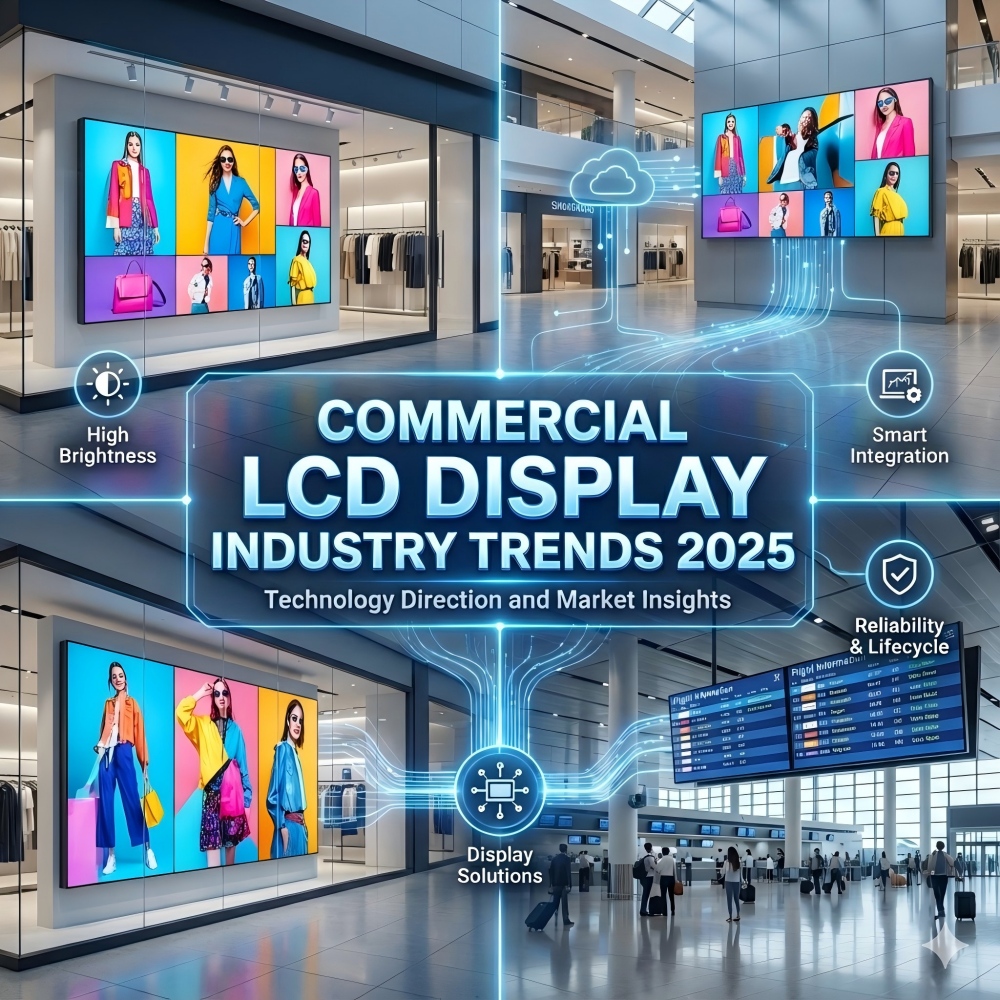 2025-12-29Commercial LCD Display Industry Trends and Market Insights for 2026
 2025-12-23Why Custom Commercial Displays Are Becoming Standard in Modern Systems
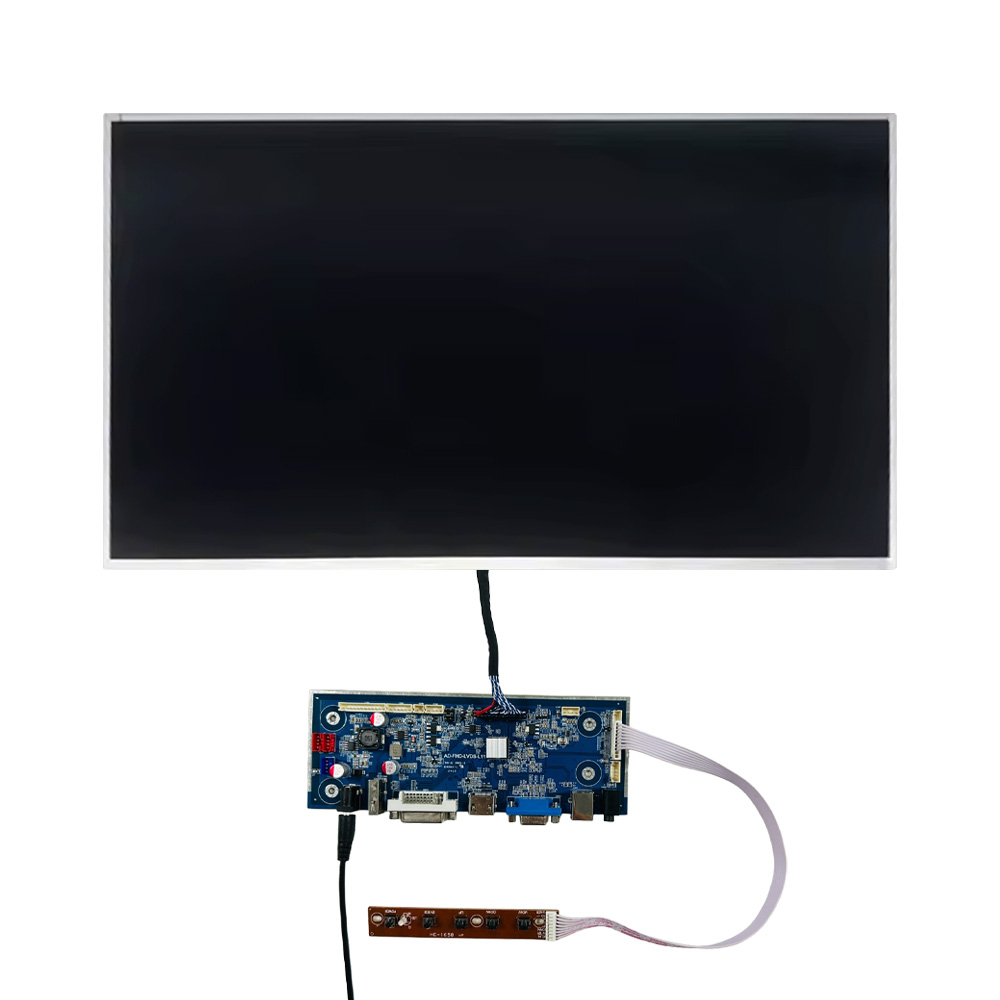 2025-12-17Advancing Outdoor Visual Systems with High-Brightness, Wide-Temperature LCD Technology
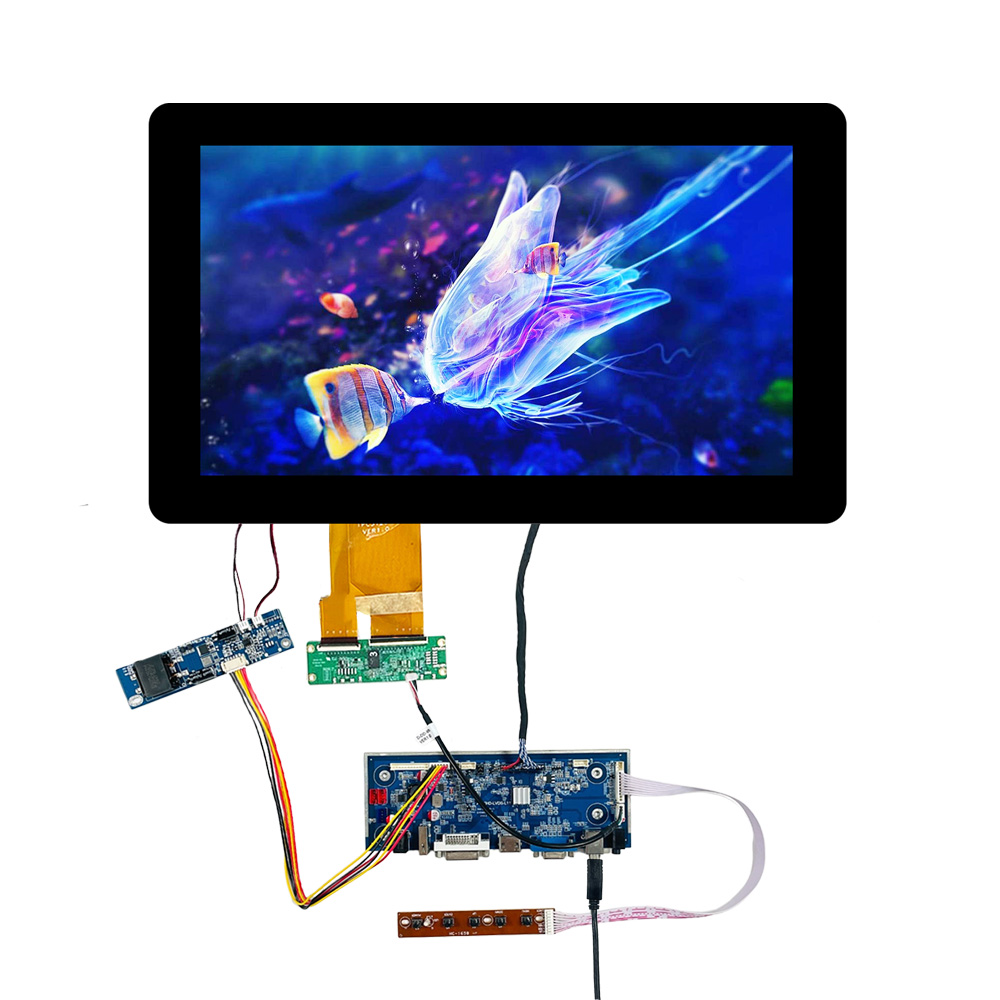 2025-12-10Outdoor Commercial LCD Modules for Wide Temperature High-Brightness Advertising Displays
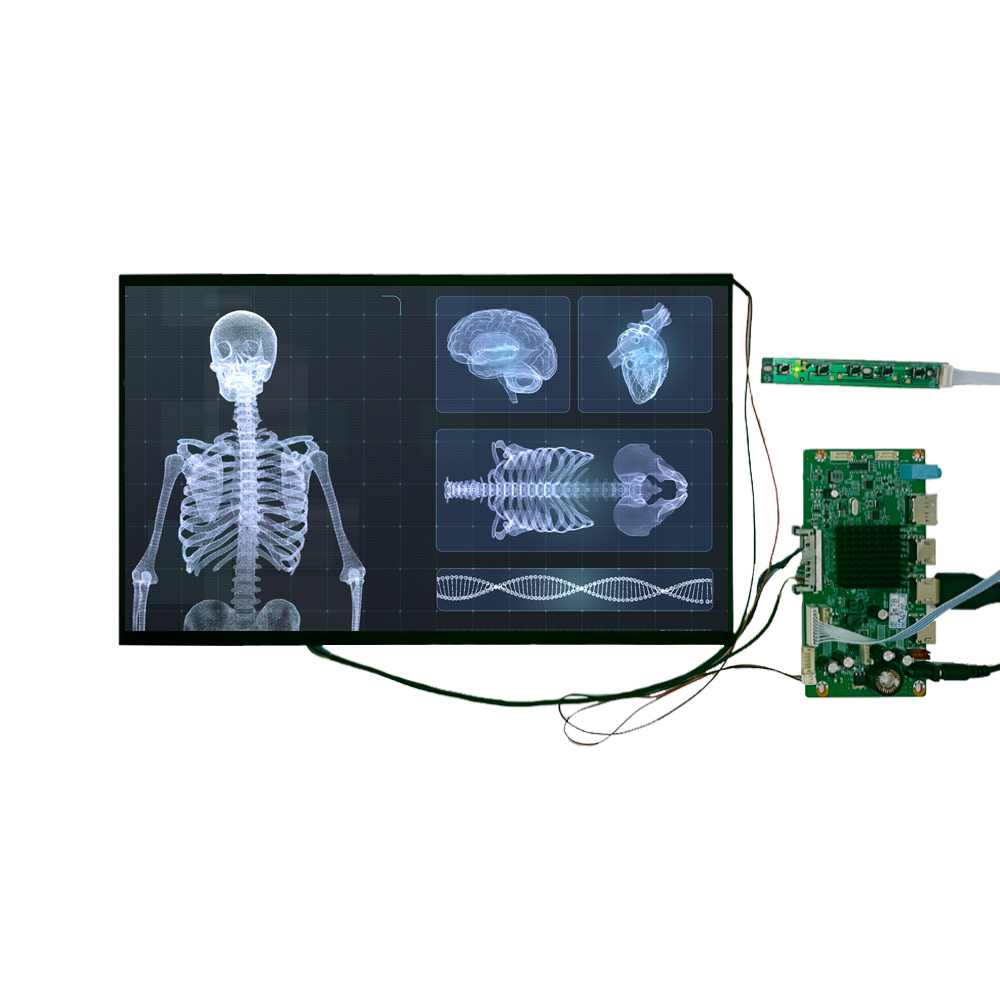 2025-12-0215,6-Zoll 4K Medical Display Module für hochpräzise diagnostische Bildgebung


Products
Commercial LCD Display
Gaming LCD Module
High Resolution Medical Display
Outdoor Display
E-ink LCD Display
Desk VR Monitor
OLED Display
Total Solutions
Service
Custom Touch Screen Solutions
Customized Frames & Protective Cover Glass
LCD Driver Board & Accessory Customization
Contact us
Contact Us
Copyright © 2025 Shenzhen Aptus Technology Co.,Ltd All Rights Reserved.

-
Inquire
- Top