Professional commercial display solution provider

Ensuring Long-Term Reliability of Commercial LCD Displays in Business Systems
Introduction: The Critical Role of Reliability in Commercial LCD Displays
In modern business environments, commercial LCD displays are central to system performance and user experience. Whether in industrial automation, retail, or public information systems, display failure can lead to operational disruptions, reduced efficiency, and higher maintenance costs.
Unlike consumer-grade screens, commercial LCD modules are designed for extended operating cycles, controlled optical performance, and system-level integration, making reliability a primary concern for engineers and system designers.
Ensuring long-term performance involves not only selecting the right display module but also addressing supply chain stability, integration practices, and preventive maintenance strategies.
Understanding the Factors Affecting LCD Reliability
Several factors determine the long-term reliability of commercial LCD displays:
-
Operational Duty Cycle
Commercial displays often run 12–24 hours daily in industrial or public applications. Modules designed for continuous use must resist heat buildup, backlight degradation, and driver stress. -
Environmental Conditions
Temperature, humidity, and dust levels can affect performance. Industrial and semi-outdoor environments require LCD modules with thermal stability and protective layers to maintain visual clarity. -
Power and Electrical Tolerance
Variations in voltage and electrical noise may cause flickering or system faults. Reliable commercial LCD displays incorporate voltage regulation, EMI protection, and stable driver circuits. -
Mechanical Stress
Vibration, impact, or repeated touch interaction can affect module longevity. Reinforced panels and secure mounting are standard features to improve durability.
Lifecycle Management in Commercial Display Systems
A significant aspect of commercial LCD reliability is lifecycle planning. Systems are often deployed for several years, during which the original display modules must remain consistent in performance and availability.
Key considerations include:
-
Consistent Optical Performance Across Batches – Prevents visual discrepancies in multi-panel systems.
-
Long-Term Component Availability – Ensures spare parts or replacement modules can be sourced without redesign.
-
Engineering and Integration Support – Provides documentation, firmware updates, and interface guidance.
For example, using a commercial LCD display module designed for long-term supply continuity allows system designers to plan maintenance cycles without disruption.
Supply Chain Stability and Sourcing
Commercial LCD displays require predictable supply chains to prevent mid-project shortages or component obsolescence. Manufacturers focusing on long-term industrial, retail, or public projects often maintain:
-
Agreements with panel suppliers for consistent batch quality
-
Forecasted production planning to support multi-year deployments
-
Engineering revisions that maintain backward compatibility
By relying on stable suppliers, organizations can reduce downtime and maintain system performance over the product lifecycle.
Integration Practices for Reliable Performance
Even high-quality modules can underperform without proper integration. Recommended practices for commercial LCD modules include:
-
Proper Mounting and Thermal Management
Modules should be secured to prevent vibration damage and heat accumulation, which can degrade backlight or LCD drivers. -
Compatible Controller Interfaces
Ensuring interface compatibility (LVDS, eDP, MIPI) avoids communication errors and prevents unexpected failures. -
Regular Preventive Maintenance
Scheduled inspections for brightness consistency, pixel integrity, and touch responsiveness extend module lifespan. -
System Redundancy
In critical applications such as control panels or public displays, backup modules or dual-screen setups reduce operational risk.
Case Study: Industrial Control Systems
A factory integrated commercial LCD modules into its assembly line control panels. By choosing modules with long-term availability and high environmental tolerance, the factory achieved:
-
Reduced operational interruptions due to display failure
-
Consistent panel performance across 50+ units
-
Simplified maintenance and replacement planning
This demonstrates how planning for reliability at the module selection stage can prevent costly operational downtime.
Retail and Public Application Considerations
Reliability extends beyond industrial systems. Retail digital signage and public information displays also face challenges:
-
High-Duty Operation: Retail displays often run during all store hours, public information screens continuously.
-
Environmental Variations: Near windows, under bright lighting, or in semi-outdoor spaces, brightness and contrast stability are critical.
-
Interactive Use: Touch-enabled kiosks require panels that can withstand repeated human interaction.
Using commercial-grade LCD modules, such as those provided by
Duobond Display,ensures that panels remain functional over years of continuous use.
Monitoring and Predictive Maintenance
Modern commercial LCD deployments can benefit from predictive monitoring:
-
Measuring backlight intensity trends over time
-
Detecting pixel anomalies before failure
-
Logging operating hours to schedule preventive replacement
These strategies reduce unplanned downtime and improve operational reliability in retail, industrial, and public systems.
Emerging Trends Supporting Long-Term Reliability
Current trends in commercial LCD technology focus on durability, consistency, and lifecycle support:
-
Modular and Interchangeable Panels: Simplify replacements and reduce downtime.
-
Energy-Efficient Backlighting: Reduces heat buildup, prolonging display life.
-
Standardized Interfaces: Easier integration with embedded controllers and media players.
-
Extended Environmental Tolerance: Modules designed for wider temperature and humidity ranges.
These trends reinforce that system reliability and lifecycle planning are more critical than consumer-grade display aesthetics or advanced features.
Conclusion: Building Long-Term Reliability into Commercial LCD Deployments
Commercial LCD displays are essential components of industrial, retail, and public systems. Their reliability affects operational efficiency, maintenance costs, and user experience.
By focusing on:
-
High-quality module selection
-
Lifecycle and supply chain management
-
Proper integration and maintenance strategies
organizations can ensure stable performance over years of operation.
For businesses and public operators seeking long-term solutions, leveraging professional
commercial LCD display modules provides a foundation for reliable, scalable, and maintainable display systems.
Recommended reading
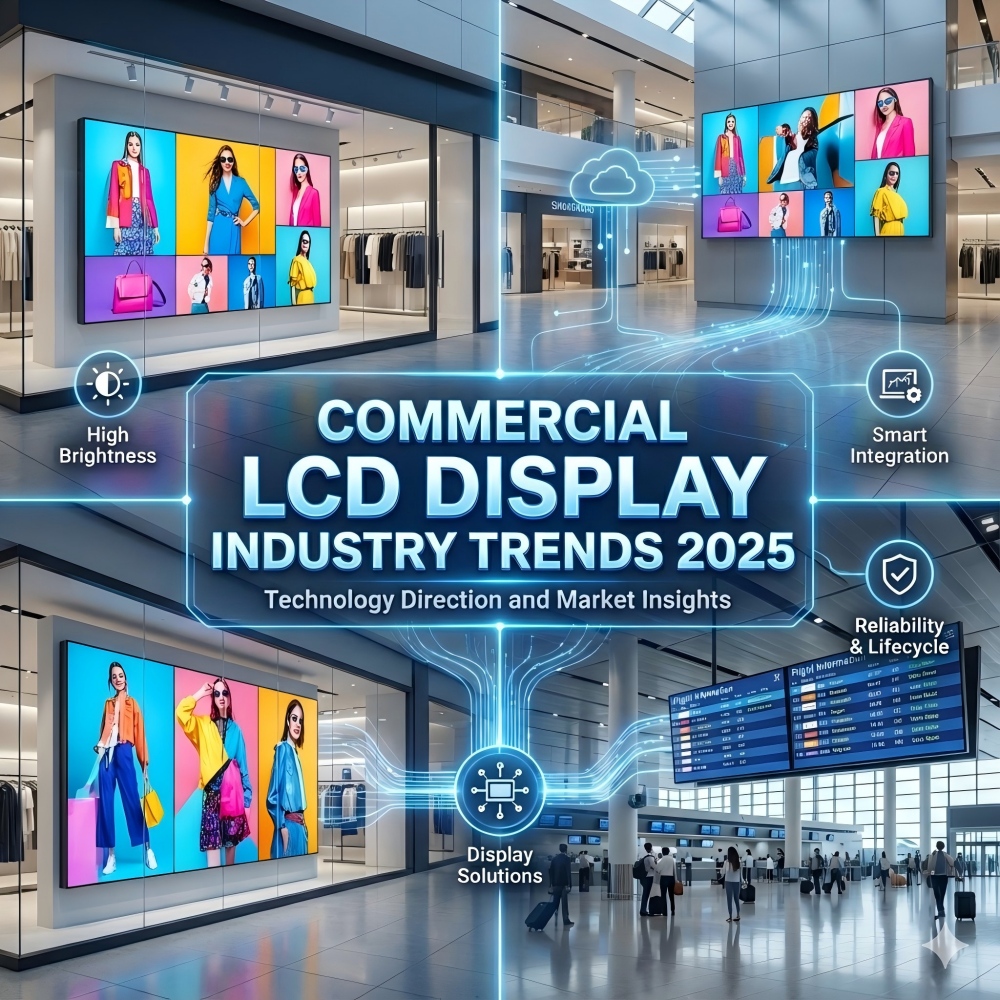 2025-12-29Commercial LCD Display Industry Trends and Market Insights for 2026
 2025-12-23Why Custom Commercial Displays Are Becoming Standard in Modern Systems
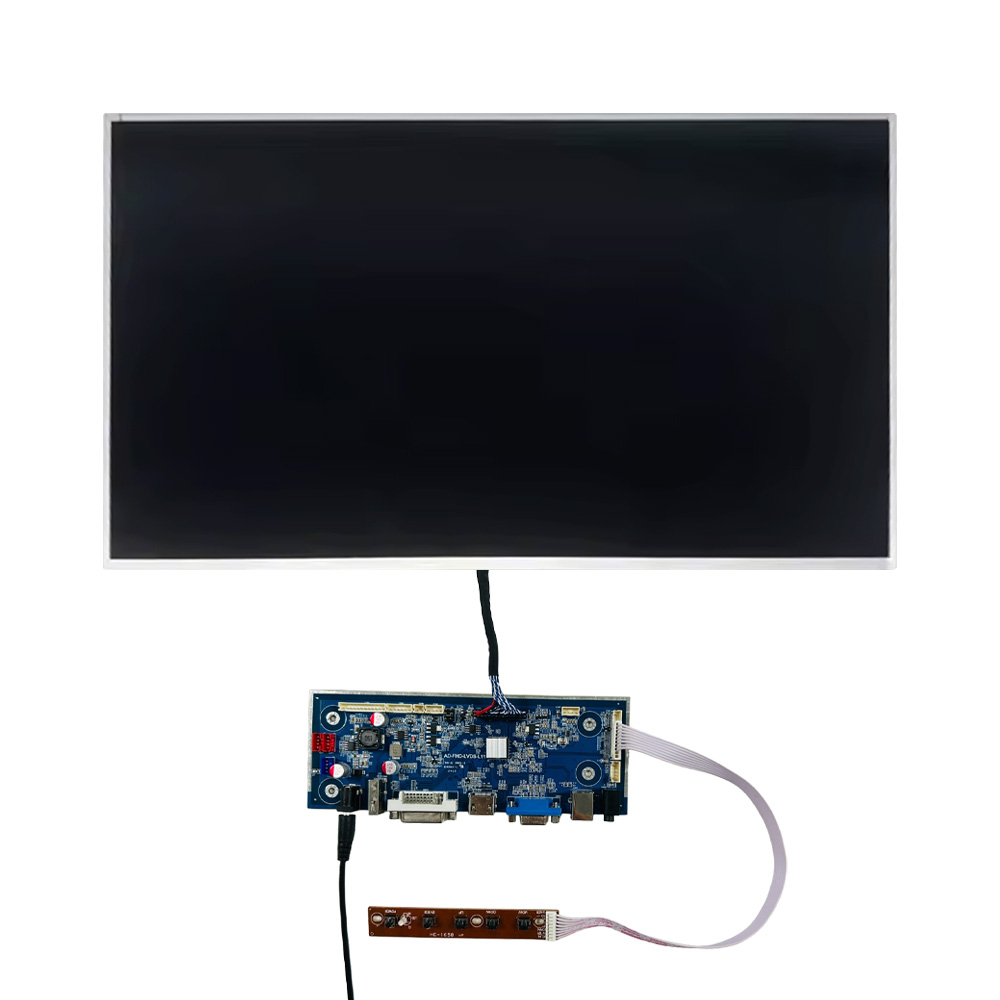 2025-12-17Advancing Outdoor Visual Systems with High-Brightness, Wide-Temperature LCD Technology
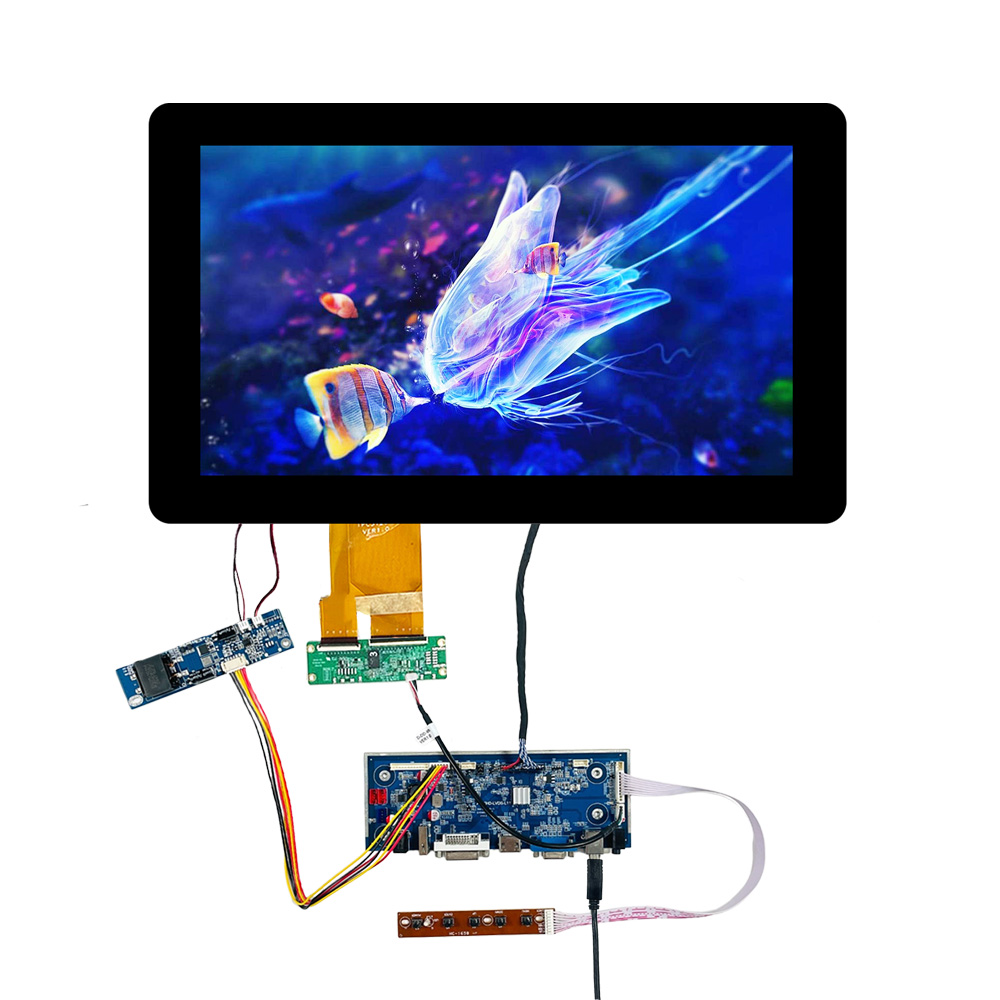 2025-12-10Outdoor Commercial LCD Modules for Wide Temperature High-Brightness Advertising Displays
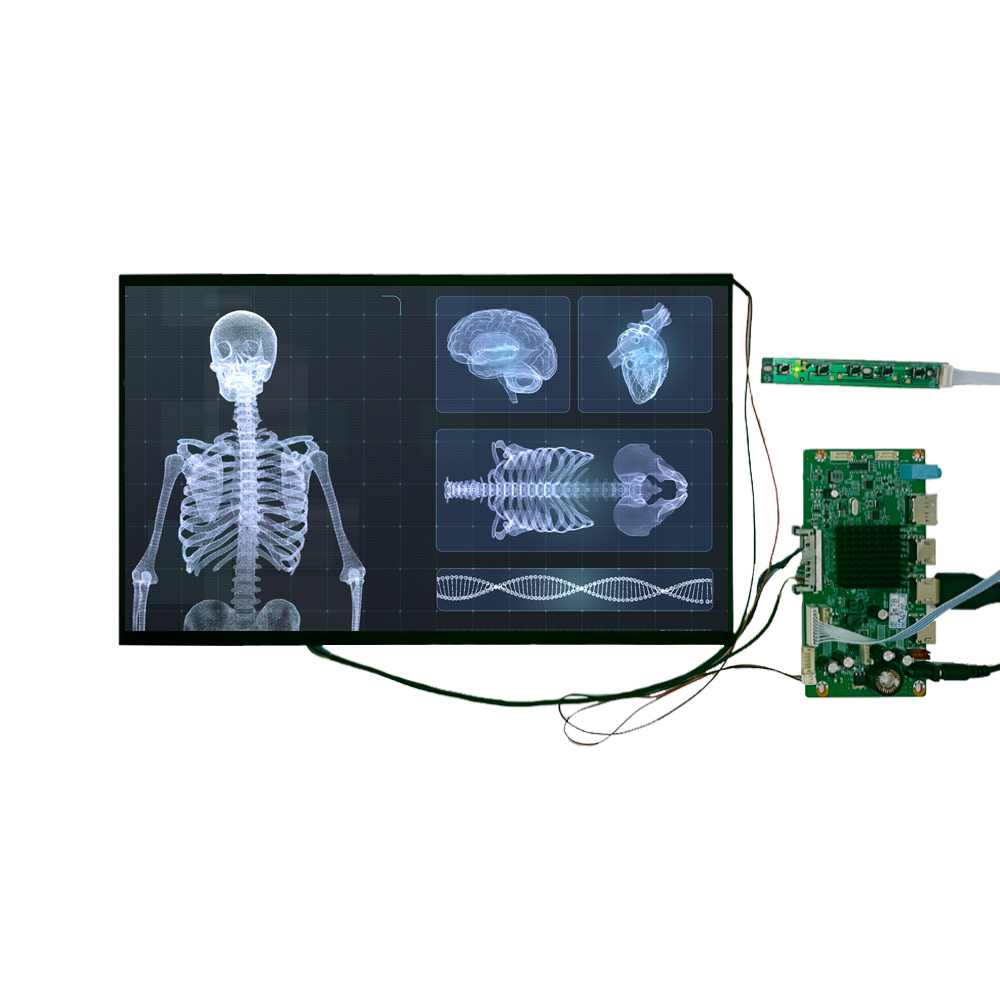 2025-12-0215,6-Zoll 4K Medical Display Module für hochpräzise diagnostische Bildgebung


Products
Commercial LCD Display
Gaming LCD Module
High Resolution Medical Display
Outdoor Display
E-ink LCD Display
Desk VR Monitor
OLED Display
Total Solutions
Service
Custom Touch Screen Solutions
Customized Frames & Protective Cover Glass
LCD Driver Board & Accessory Customization
Contact us
Contact Us
Copyright © 2025 Shenzhen Aptus Technology Co.,Ltd All Rights Reserved.

-
Inquire
- Top