Professional commercial display solution provider

The Future of Commercial LCD Displays: Innovations and Emerging Applications
Introduction: Evolving Role of Commercial LCD Displays
Commercial LCD displays have moved far beyond static screens. Today, they are dynamic platforms for communication, interaction, and information delivery in multiple business and public applications. From interactive kiosks to embedded industrial dashboards, the technology powering these displays continues to evolve.
Understanding these innovations is key for system integrators, retail operators, industrial designers, and public service planners seeking future-proof display solutions. Unlike consumer monitors, commercial LCD modules emphasize reliability, scalability, and adaptability, making them suitable for long-term deployment in complex systems.
Innovations in LCD Panel Technology
Several innovations are shaping the next generation of commercial LCD displays:
High-Brightness and Wide Color Gamut Panels
Modern commercial applications require displays that are visible in challenging lighting conditions. High-brightness panels with wide color gamuts allow:
-
Clear visibility under direct sunlight or bright indoor lighting
-
Enhanced image fidelity for retail, museum, and public display applications
-
Improved content engagement for customers or visitors
A practical solution is a commercial LCD display module with brightness above 400 nits and high contrast ratio, suitable for dynamic environments.
Slim and Modular Panel Designs
Compact, modular designs allow displays to be integrated into:
-
Self-service kiosks
-
Retail shelves
-
Interactive wayfinding systems
-
Embedded industrial dashboards
These panels enable flexible form factors and seamless integration without compromising performance.
Touch and Multi-Touch Capabilities
Interactive applications benefit from resistive, capacitive, or projected capacitive (PCAP) touch. Key advantages include:
-
Improved customer engagement in retail and public environments
-
Hands-on interaction for training or industrial interfaces
-
Multi-touch gesture support for interactive content management
Commercial modules with built-in touch allow easy integration into new or existing systems.
Emerging Applications of Commercial LCD Displays
Commercial LCD displays are increasingly being applied in areas that were previously dominated by static signage:
Interactive Retail and Smart Stores
Retailers use LCD displays for interactive product catalogs, personalized promotions, and self-service checkout terminals. Benefits include:
-
Enhanced customer experience and engagement
-
Streamlined operations with integrated inventory information
-
Modular design that can scale across store chains
A professional commercial LCD display solution ensures consistent image quality and durability across multiple locations.
Smart Public Information Systems
Public transportation, city information kiosks, and museums are adopting LCD-based solutions that allow:
-
Real-time schedule updates
-
Interactive wayfinding
-
Multilingual content delivery
Reliable commercial modules ensure continuous operation and minimal maintenance, critical for high-traffic public areas.
Industrial IoT Interfaces
Industrial IoT systems increasingly rely on LCD modules as real-time monitoring and control interfaces, including:
-
Sensor dashboards
-
Factory automation control panels
-
Environmental monitoring stations
These modules provide stable visualization and integration with embedded controllers, enabling data-driven decision-making in real time.
Trends Driving Innovation
Several broader trends are driving the evolution of commercial LCD displays:
-
Integration with IoT and Embedded Systems
Displays are now connected with networked systems to provide live data, predictive alerts, and automated control features. -
Energy Efficiency and Backlight Optimization
Reduced power consumption prolongs panel lifespan and supports sustainable deployment in large-scale digital signage networks. -
Advanced Panel Durability
New coatings, reinforced glass, and environmental protection ensure stable operation in high-use, high-traffic, or semi-outdoor environments. -
Scalable Modular Systems
Standardized modules allow easy expansion or replacement, supporting lifecycle management and reducing total cost of ownership. -
Cloud-Based Content Management Integration
Digital signage and interactive displays increasingly leverage cloud-based CMS to schedule content remotely, enabling consistent and flexible deployment across multiple sites.
Technical Considerations for Adopting Next-Generation Commercial LCD Displays
To maximize the benefits of new display technologies, system designers should consider:
-
Interface Compatibility: Ensure modules support LVDS, eDP, or MIPI connections.
-
Touch Integration: Select appropriate touch technology for user interactivity requirements.
-
Brightness and Contrast Stability: Maintain visibility under variable lighting conditions.
-
Environmental Tolerance: Modules must operate reliably in expected temperature and humidity ranges.
Using a commercial LCD display module designed for these factors allows seamless integration into modern, innovative business systems.
Case Study: Interactive Museum Displays
A contemporary museum installed interactive displays using commercial LCD modules. Each display allows visitors to:
-
Access dynamic content on artifacts
-
Interact with touch-based learning activities
-
Customize content based on language preferences
Modules were selected for durability, touch accuracy, and consistent visual quality, ensuring long-term operational stability in high-traffic areas.
The Future Outlook
Commercial LCD displays will continue to expand into new applications, including:
-
Smart retail shelves with interactive pricing
-
Immersive visitor experiences in museums and exhibition centers
-
Embedded industrial monitoring solutions with AI-enabled analytics
-
Public transportation networks providing dynamic, real-time updates
The evolution of display technology, combined with modular design, touch interactivity, and reliable commercial modules, will enable more engaging, data-driven, and scalable deployments.
Conclusion: Preparing for the Next Generation of Commercial Displays
As commercial LCD display technology evolves, organizations must prioritize:
-
Selection of high-quality, modular LCD modules
-
Integration strategies for interactive and networked applications
-
Lifecycle planning to ensure long-term operational stability
Innovations in brightness, touch technology, modularity, and system integration will define the future of commercial displays, transforming retail, public spaces, and industrial systems alike.
For system integrators, retailers, and public operators, exploring professional commercial LCD display solutions provides a foundation for future-proof, reliable, and interactive deployment in evolving commercial environments.
Recommended reading
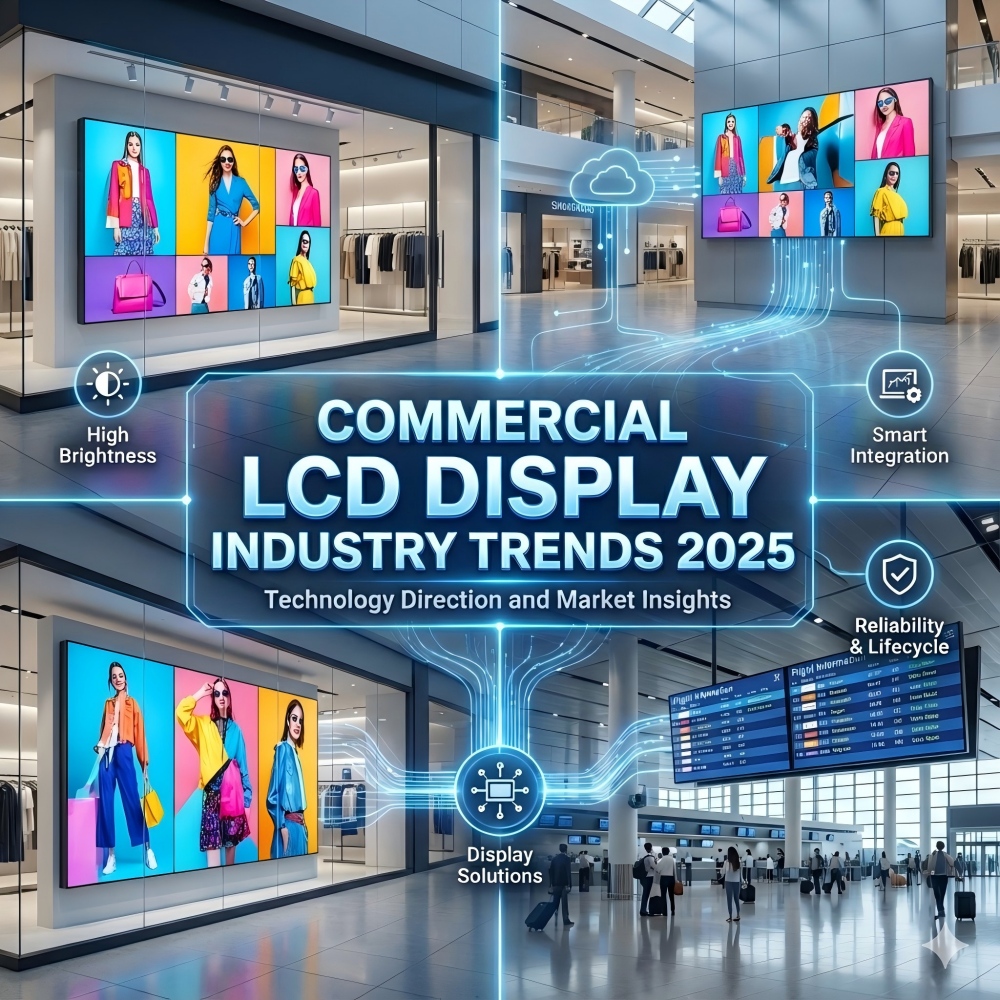 2025-12-29Commercial LCD Display Industry Trends and Market Insights for 2026
 2025-12-23Why Custom Commercial Displays Are Becoming Standard in Modern Systems
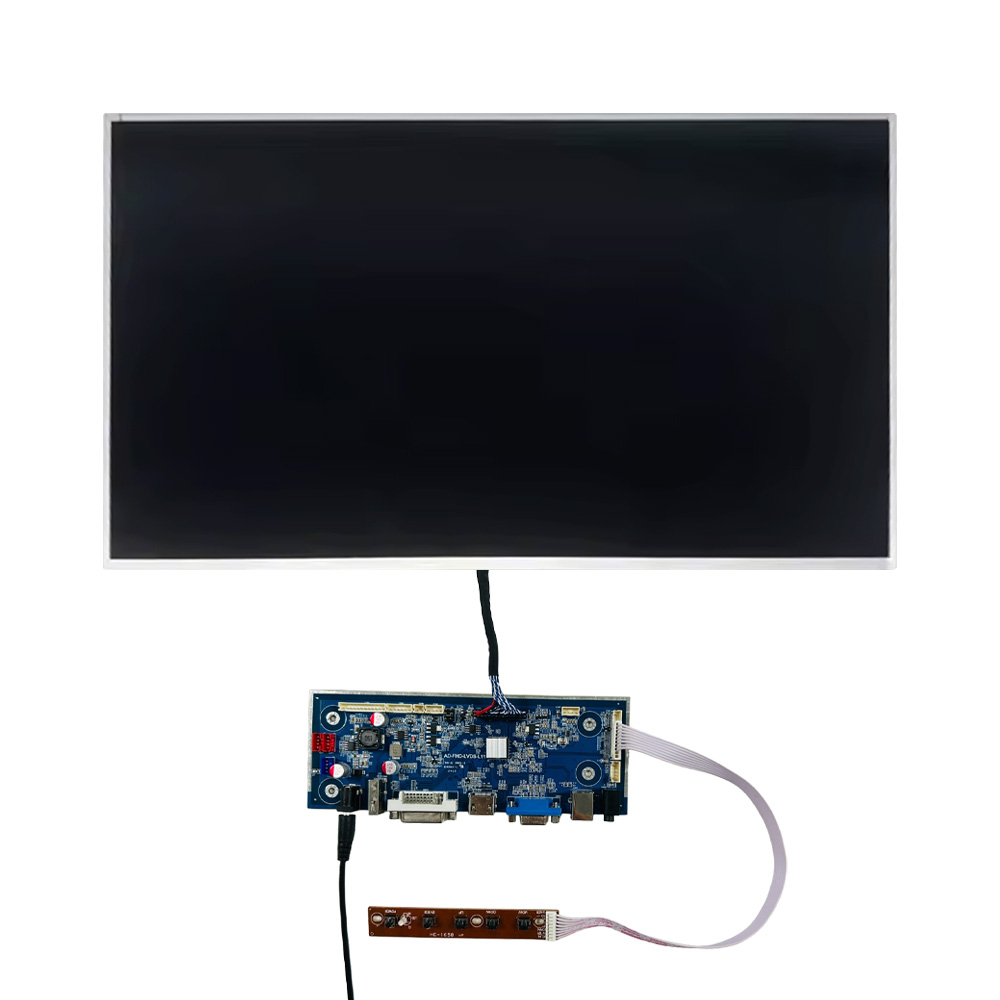 2025-12-17Advancing Outdoor Visual Systems with High-Brightness, Wide-Temperature LCD Technology
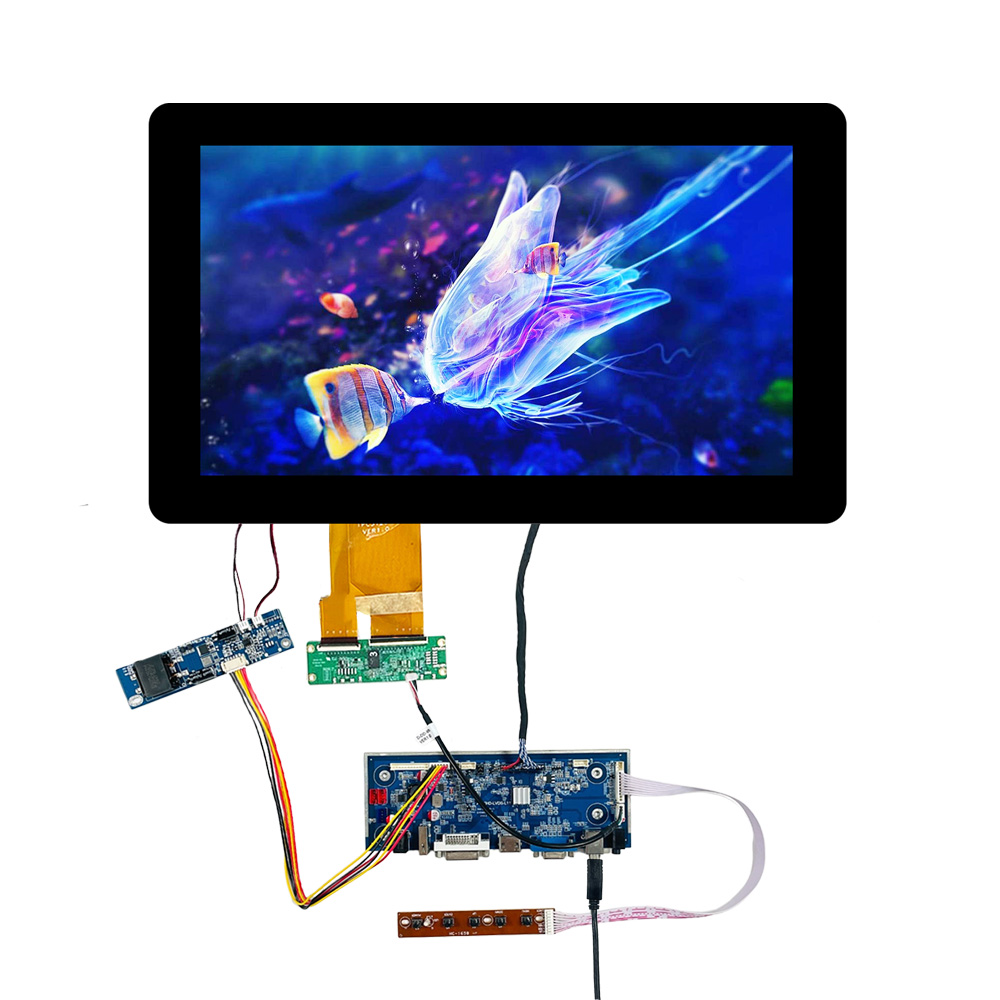 2025-12-10Outdoor Commercial LCD Modules for Wide Temperature High-Brightness Advertising Displays
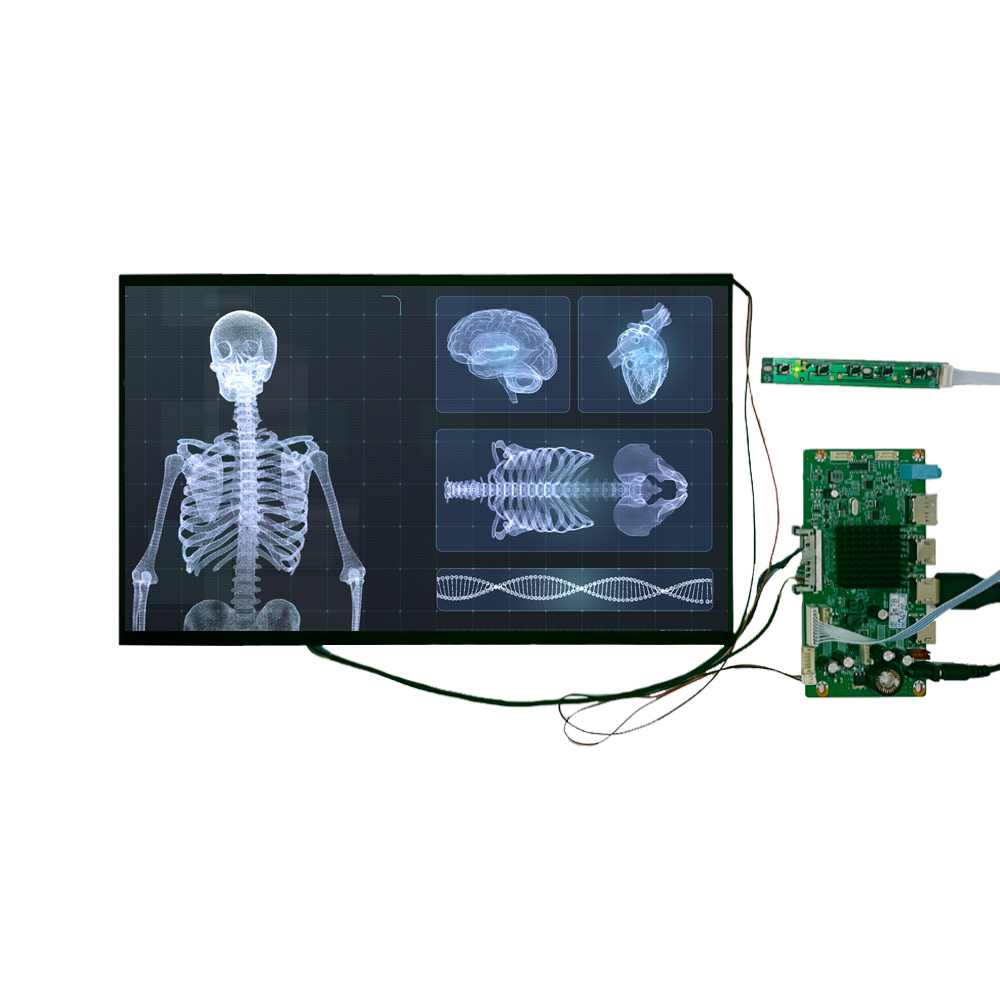 2025-12-0215,6-Zoll 4K Medical Display Module für hochpräzise diagnostische Bildgebung


Products
Commercial LCD Display
Gaming LCD Module
High Resolution Medical Display
Outdoor Display
E-ink LCD Display
Desk VR Monitor
OLED Display
Total Solutions
Service
Custom Touch Screen Solutions
Customized Frames & Protective Cover Glass
LCD Driver Board & Accessory Customization
Contact us
Contact Us
Copyright © 2025 Shenzhen Aptus Technology Co.,Ltd All Rights Reserved.

-
Inquire
- Top