Professional commercial display solution provider

Why Wide Temperature LCD and Sunlight Readable Displays Are Essential for Outdoor Applications
Introduction
Outdoor display applications are rapidly expanding across industries, from transportation systems and industrial equipment to smart infrastructure and self-service terminals.
Unlike indoor environments, outdoor conditions introduce significant challenges such as extreme temperatures, direct sunlight, humidity, and long operating hours.
Standard display technologies often struggle to maintain performance under these conditions. This is why wide temperature LCD and sunlight readable LCD screens have become essential solutions for outdoor applications.
These technologies are specifically engineered to deliver consistent visibility, durability, and reliability in harsh environments.
For a broader understanding of outdoor display technologies and system considerations, you can also refer to:
/wide-temperature-lcd-sunlight-readable-complete-guide
The Challenge of Outdoor Display Environments
Outdoor environments present a combination of factors that directly affect display performance.
Temperature fluctuations can range from sub-zero conditions in winter to extreme heat in summer. At the same time, direct sunlight can significantly reduce screen visibility due to glare and low contrast.
Standard LCD panels are typically designed for indoor use, with operating temperature ranges around 0°C to 50°C. Outside of this range, performance degradation can occur, including slower response times, color distortion, and even permanent damage.
In addition, brightness levels of conventional displays are often insufficient to overcome sunlight interference, making content difficult or impossible to read.
These limitations make specialized display solutions necessary.
What Is a Wide Temperature LCD
A wide temperature LCD is designed to operate reliably across a much broader temperature range, typically from -30°C to +85°C.
This capability is achieved through several technical enhancements:
- Specialized liquid crystal materials that maintain stability across temperature extremes
- Advanced backlight systems designed for thermal resilience
- Optimized driver ICs and circuit design for consistent performance
Wide temperature displays ensure that the screen remains functional and responsive regardless of environmental conditions.
This makes them particularly suitable for outdoor systems that must operate continuously without interruption.
What Makes a Sunlight Readable LCD
A sunlight readable LCD is engineered to maintain high visibility even under direct sunlight.
The key factor behind this capability is high brightness, typically ranging from 800 nits to over 2500 nits, compared to 250–400 nits for standard displays.
However, brightness alone is not enough. Several additional technologies are used to improve readability:
- Optical bonding to reduce internal reflections
- Anti-glare and anti-reflective coatings
- High contrast ratios for better image clarity
- Polarization optimization for outdoor viewing
These features work together to ensure that the display remains clear and legible even in bright outdoor environments.
The Synergy Between Wide Temperature and Sunlight Readability
While wide temperature capability and sunlight readability are often discussed separately, their combination is what truly enables reliable outdoor performance.
High brightness generates heat, which can affect display stability if not properly managed. At the same time, extreme temperatures can impact brightness consistency and color accuracy.
By integrating both technologies, modern outdoor LCD modules achieve a balance between thermal stability and optical performance.
This ensures that the display can operate efficiently in both high-temperature sunlight exposure and low-temperature environments.
A practical example of such a solution can be found here:
15.6 inch 1920x1080 30PIN LVDS Wide Temperature TFT LCD Module
Performance Benefits in Real-World Applications
The combination of wide temperature LCD and sunlight readable display technology provides several key advantages in outdoor applications.
Consistent Visibility
High brightness and anti-reflective technologies ensure that content remains readable in all lighting conditions, including direct sunlight.
Reliable Operation
Wide temperature capability prevents performance degradation caused by extreme heat or cold, ensuring stable operation over time.
Reduced Maintenance
Durable components and optimized thermal design reduce the risk of failure, lowering maintenance requirements and operational costs.
Long-Term Stability
Outdoor systems often run continuously. These displays are designed for long lifespans, maintaining consistent performance even under demanding conditions.
Application Scenarios for Outdoor LCD Displays
Wide temperature and sunlight readable LCD screens are widely used across multiple industries.
Industrial Equipment
Outdoor machinery and control panels require displays that can withstand harsh environments while providing clear operational data.
Transportation Systems
Bus stops, train stations, and traffic management systems depend on reliable displays for real-time information.
Smart City Infrastructure
Digital signage, kiosks, and public information systems must remain visible and functional in all weather conditions.
Energy and Utilities
Solar power systems, charging stations, and monitoring equipment often operate outdoors and require durable display solutions.
Design Considerations for Outdoor LCD Integration
Selecting the right outdoor display involves more than just choosing high brightness and wide temperature specifications.
Key design factors include:
- Thermal management systems to handle heat generated by high brightness
- Protective enclosures to prevent moisture and dust ingress
- Power efficiency optimization for long-term operation
- Interface compatibility with existing systems
These considerations ensure that the display performs reliably within the overall system.
The Role of Advanced LCD Technologies
Modern outdoor displays benefit from continuous advancements in LCD technology.
Improvements in LED backlighting, optical bonding, and material science have significantly enhanced both brightness and temperature resilience.
At the same time, manufacturing processes have become more refined, allowing for better consistency and longer lifespan.
These developments have made it possible to deploy LCD displays in environments that were previously considered too challenging.
Relationship Between Performance and Cost
High-performance outdoor displays typically come with higher initial costs compared to standard panels.
However, when evaluated over the full lifecycle, they often provide better value.
Reduced maintenance, longer lifespan, and improved reliability contribute to lower total cost of ownership.
In mission-critical applications, the cost of display failure can far exceed the investment in a higher-quality solution.
Integration with Outdoor Display Systems
Wide temperature and sunlight readable LCD modules are often integrated into complete outdoor systems.
These systems may include:
- Embedded control units
- Environmental sensors
- Protective housings
- Communication interfaces
Proper integration ensures that the display works seamlessly within the broader system, delivering consistent performance.
Further Reading
To better understand related technologies and applications, you may also refer to the following topics:
Wide Temperature LCD and Sunlight Readable Display: Complete Outdoor Guide
How to Choose the Right Outdoor LCD Display for Industrial Applications
Sunlight Readable LCD vs Standard Display: Key Differences Explained
Conclusion
Outdoor environments demand display solutions that go beyond the capabilities of standard LCD panels.
Wide temperature LCD and sunlight readable LCD screens provide the necessary performance to ensure visibility, reliability, and durability in harsh conditions.
By combining thermal resilience with high brightness and optical optimization, these technologies enable consistent operation across a wide range of applications.
As outdoor systems continue to expand in both scale and complexity, the importance of high-performance display solutions will only continue to grow
Recommended reading
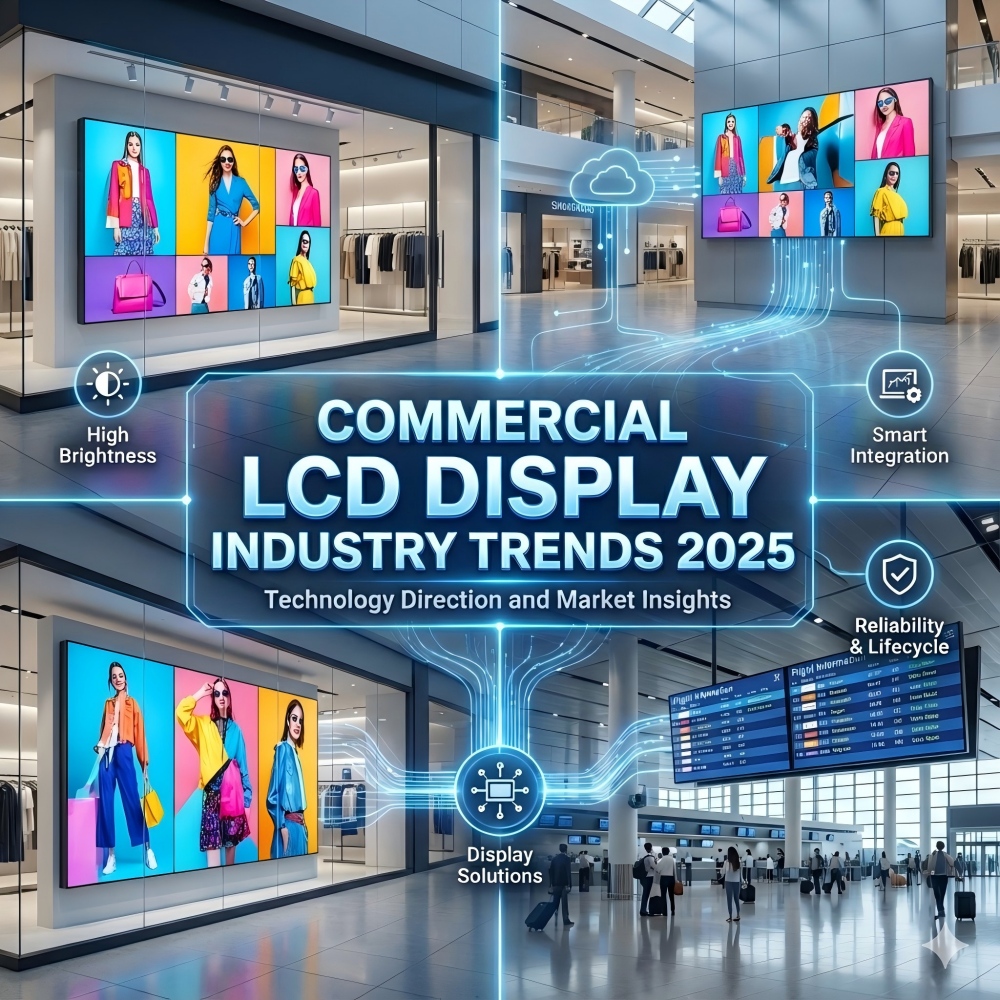 2025-12-29Commercial LCD Display Industry Trends and Market Insights for 2026
 2025-12-23Why Custom Commercial Displays Are Becoming Standard in Modern Systems
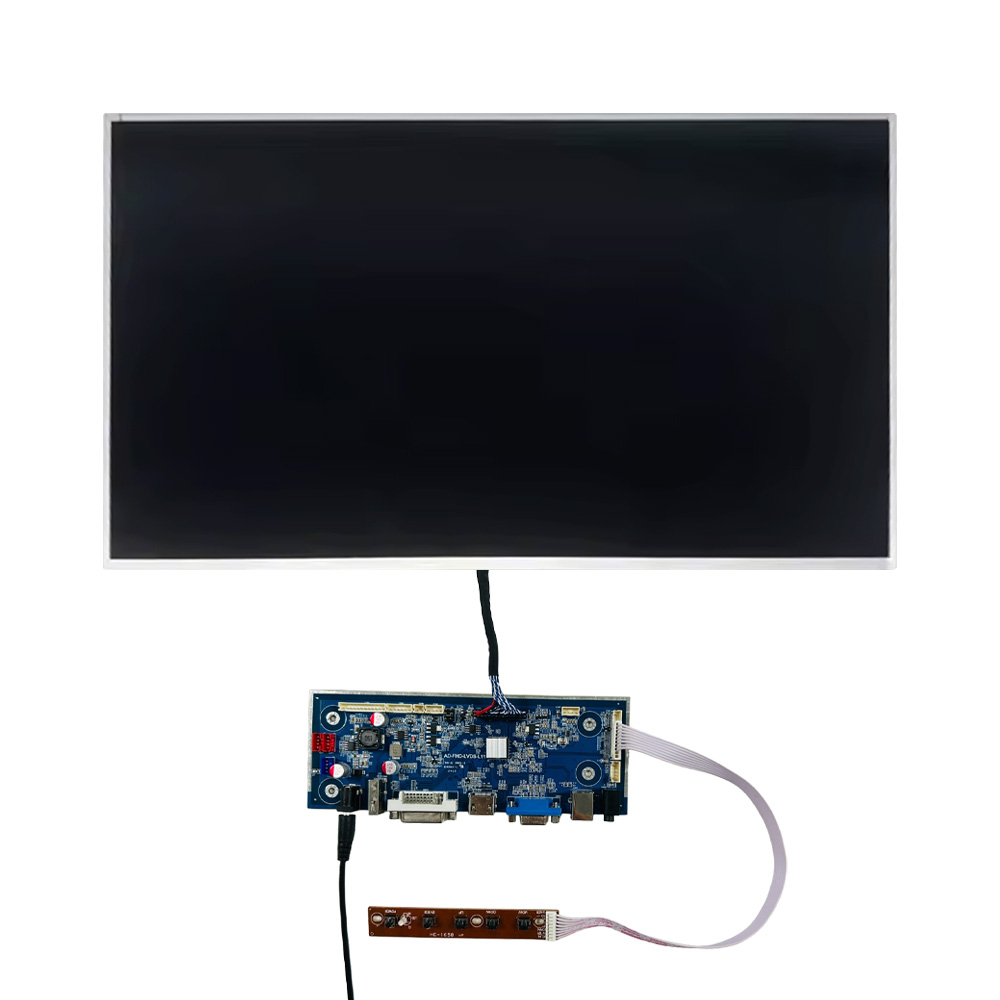 2025-12-17Advancing Outdoor Visual Systems with High-Brightness, Wide-Temperature LCD Technology
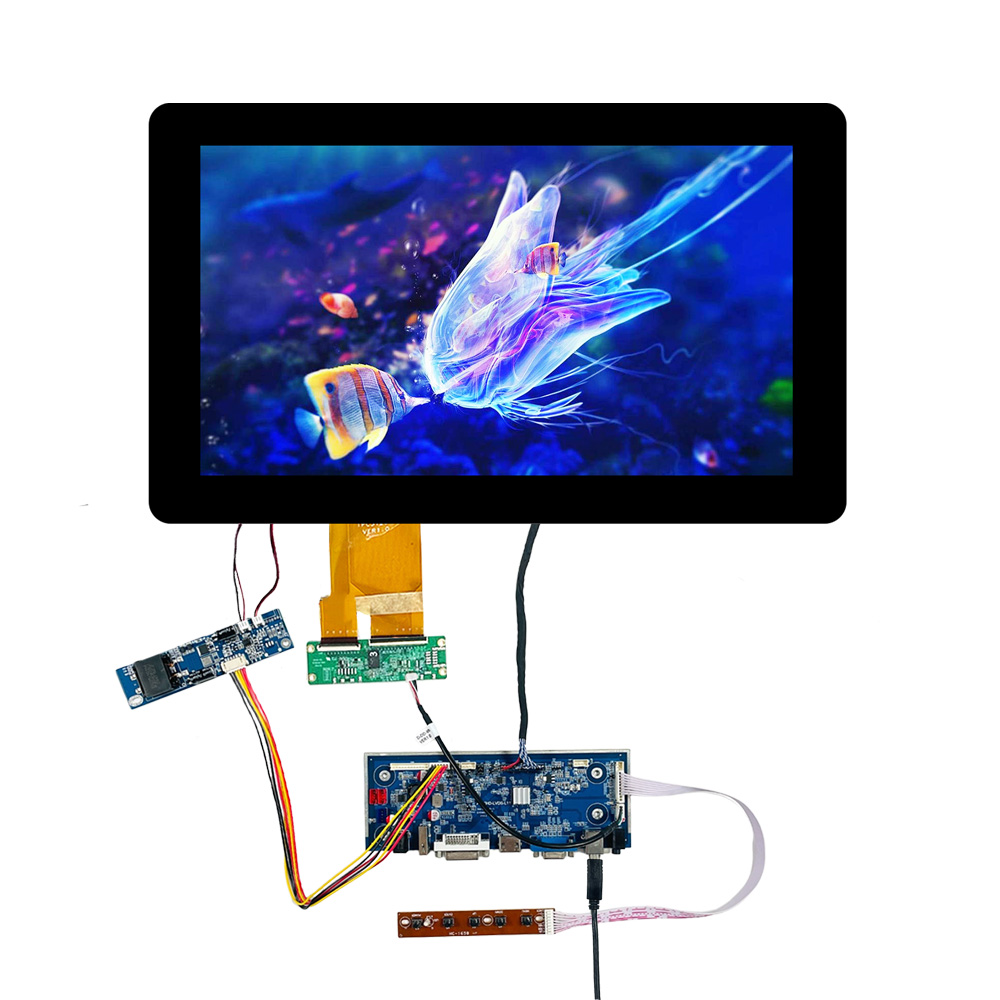 2025-12-10Outdoor Commercial LCD Modules for Wide Temperature High-Brightness Advertising Displays
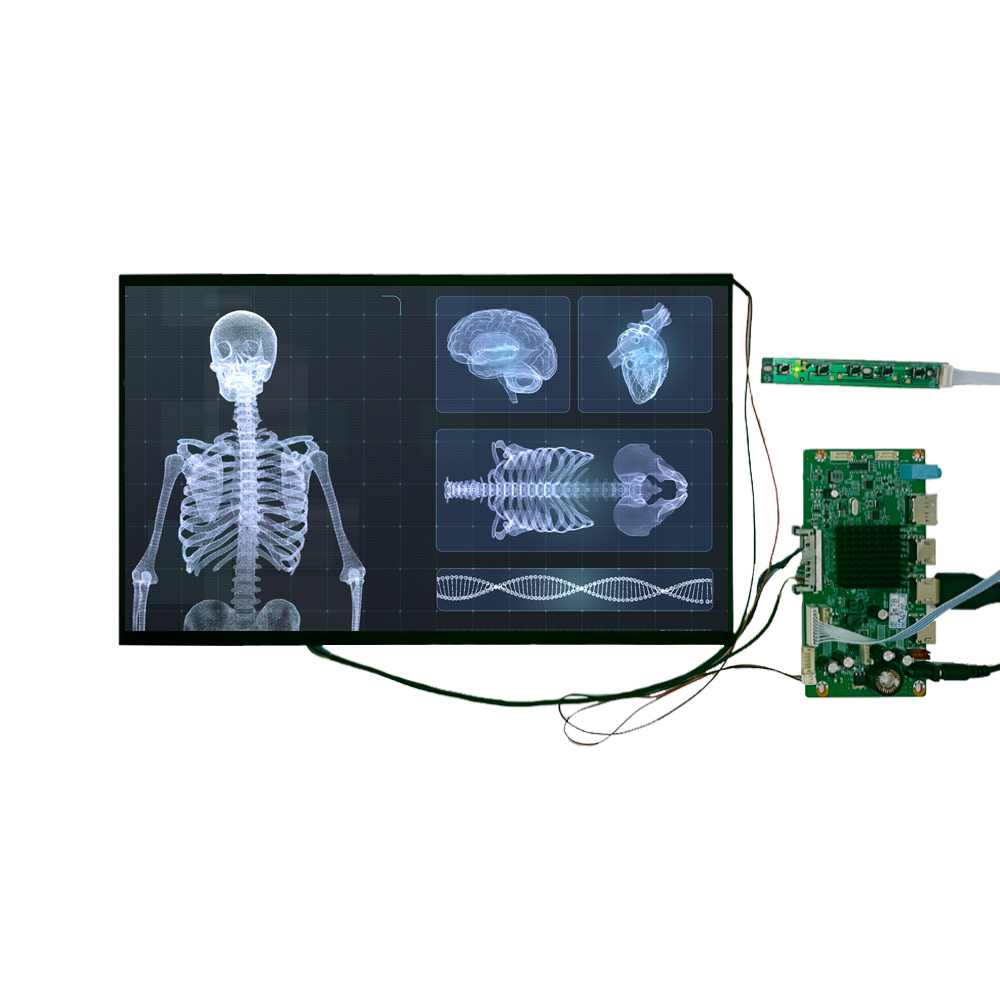 2025-12-0215,6-Zoll 4K Medical Display Module für hochpräzise diagnostische Bildgebung


Products
Commercial LCD Display
Gaming LCD Module
High Resolution Medical Display
Outdoor Display
E-ink LCD Display
Desk VR Monitor
OLED Display
Total Solutions
Service
Custom Touch Screen Solutions
Customized Frames & Protective Cover Glass
LCD Driver Board & Accessory Customization
Contact us
Contact Us
Copyright © 2025 Shenzhen Aptus Technology Co.,Ltd All Rights Reserved.

-
Inquire
- Top