Professional commercial display solution provider

How to Choose the Right Sunlight Readable LCD for Outdoor Applications
Introduction
Selecting the right display for outdoor applications is not a straightforward task. Unlike indoor environments, outdoor systems must operate under extreme conditions, including direct sunlight, wide temperature fluctuations, and continuous usage.
A poorly chosen display can lead to visibility issues, system instability, and increased maintenance costs.
This is why choosing the right sunlight readable LCD and wide temperature LCD is critical for long-term performance.
This article provides a practical guide to help you evaluate and select the most suitable outdoor display solution.
Understanding Sunlight Readability Requirements
The most important factor in outdoor display selection is visibility under direct sunlight.
Standard LCD panels typically offer brightness levels between 250 and 400 nits, which are insufficient for outdoor environments.
A sunlight readable display generally requires at least 800 nits, while high-performance systems may exceed 1500 or even 2500 nits.
However, brightness alone does not guarantee readability. Other factors also play a critical role:
- Contrast ratio
- Anti-reflective coatings
- Optical bonding technology
- Viewing angle stability
These elements work together to ensure that content remains clear and legible in all lighting conditions.
The Importance of Wide Temperature Support
Outdoor displays must operate reliably across a wide temperature range.
A wide temperature LCD typically supports operating conditions from -30°C to +85°C, far beyond the limits of standard displays.
Temperature affects multiple aspects of LCD performance:
- Response time
- Color consistency
- Backlight efficiency
- Overall lifespan
Without proper temperature support, displays may experience lag, image distortion, or complete failure.
For applications exposed to harsh climates, wide temperature capability is not optional—it is essential.
Evaluating Brightness and Power Consumption
High brightness is necessary for outdoor visibility, but it also increases power consumption and heat generation.
When selecting a sunlight readable LCD screen, it is important to balance brightness with energy efficiency.
Key considerations include:
- LED backlight efficiency
- Adaptive brightness control
- Thermal management design
Efficient systems can maintain high brightness while minimizing power usage and reducing heat-related stress.
Durability and Environmental Protection
Outdoor displays must withstand environmental stress beyond temperature and sunlight.
Important durability factors include:
- Resistance to dust and moisture
- Protection against UV exposure
- Mechanical strength and vibration resistance
These requirements are typically addressed through system-level design, including enclosures and protective layers.
Displays used in industrial or public environments must be designed for long-term reliability.
Optical Enhancements for Outdoor Readability
Several optical technologies are used to improve sunlight readability.
Optical Bonding
Optical bonding eliminates the air gap between the LCD panel and the cover glass, reducing internal reflections and improving contrast.
Anti-Glare and Anti-Reflective Coatings
These coatings minimize surface reflections, making the display easier to read under bright light.
High Contrast Design
Higher contrast ratios improve image clarity, especially in challenging lighting conditions.
Together, these enhancements significantly improve real-world performance.
Integration with Outdoor Systems
Choosing the right display is only part of the solution. Integration with the overall system is equally important.
Key integration factors include:
- Interface compatibility (HDMI, LVDS, eDP)
- Mounting and mechanical design
- Thermal management within the enclosure
- Power supply requirements
A well-integrated system ensures stable operation and optimal performance.
A practical example of a display designed for outdoor environments can be found here:
15.6 inch 1920x1080 30PIN LVDS Wide Temperature TFT LCD Module
Common Mistakes When Selecting Outdoor Displays
Many system designers make avoidable mistakes when choosing outdoor LCDs.
Focusing Only on Brightness
High brightness is important, but without proper thermal and optical design, it may lead to overheating or poor readability.
Ignoring Temperature Range
Using standard displays in extreme environments often results in early failure.
Overlooking System Integration
Even a high-quality display can perform poorly if it is not properly integrated into the system.
Underestimating Long-Term Costs
Cheaper displays may reduce upfront costs but increase maintenance and replacement expenses.
Application-Specific Considerations
Different applications require different display characteristics.
Transportation Systems
Require high reliability and visibility for real-time information display.
Industrial Equipment
Demand durability and stable performance under harsh conditions.
Outdoor Kiosks
Need both readability and aesthetic quality for user interaction.
Energy Systems
Require long-term stability and low maintenance in remote environments.
Performance vs Cost: Making the Right Decision
Choosing the right display involves balancing performance and cost.
While high-performance sunlight readable LCD screens may have higher initial costs, they often deliver better long-term value.
Reduced maintenance, improved reliability, and longer lifespan contribute to lower total cost of ownership.
For mission-critical applications, investing in quality is the more cost-effective choice.
Further Reading
For additional insights, you may explore:
Wide Temperature LCD and Sunlight Readable Displays for Outdoor Applications
Sunlight Readable LCD vs Standard Display: Key Differences Explained
How Outdoor LCD Displays Improve Industrial System Reliability
Conclusion
Selecting the right sunlight readable LCD is essential for ensuring outdoor display performance.
By considering factors such as brightness, wide temperature capability, durability, and system integration, you can identify the most suitable solution for your application.
As outdoor environments continue to demand higher performance and reliability, choosing the right display technology becomes increasingly important.
Recommended reading
 2025-12-29Commercial LCD Display Industry Trends and Market Insights for 2026
 2025-12-23Why Custom Commercial Displays Are Becoming Standard in Modern Systems
 2025-12-17Advancing Outdoor Visual Systems with High-Brightness, Wide-Temperature LCD Technology
 2025-12-10Outdoor Commercial LCD Modules for Wide Temperature High-Brightness Advertising Displays
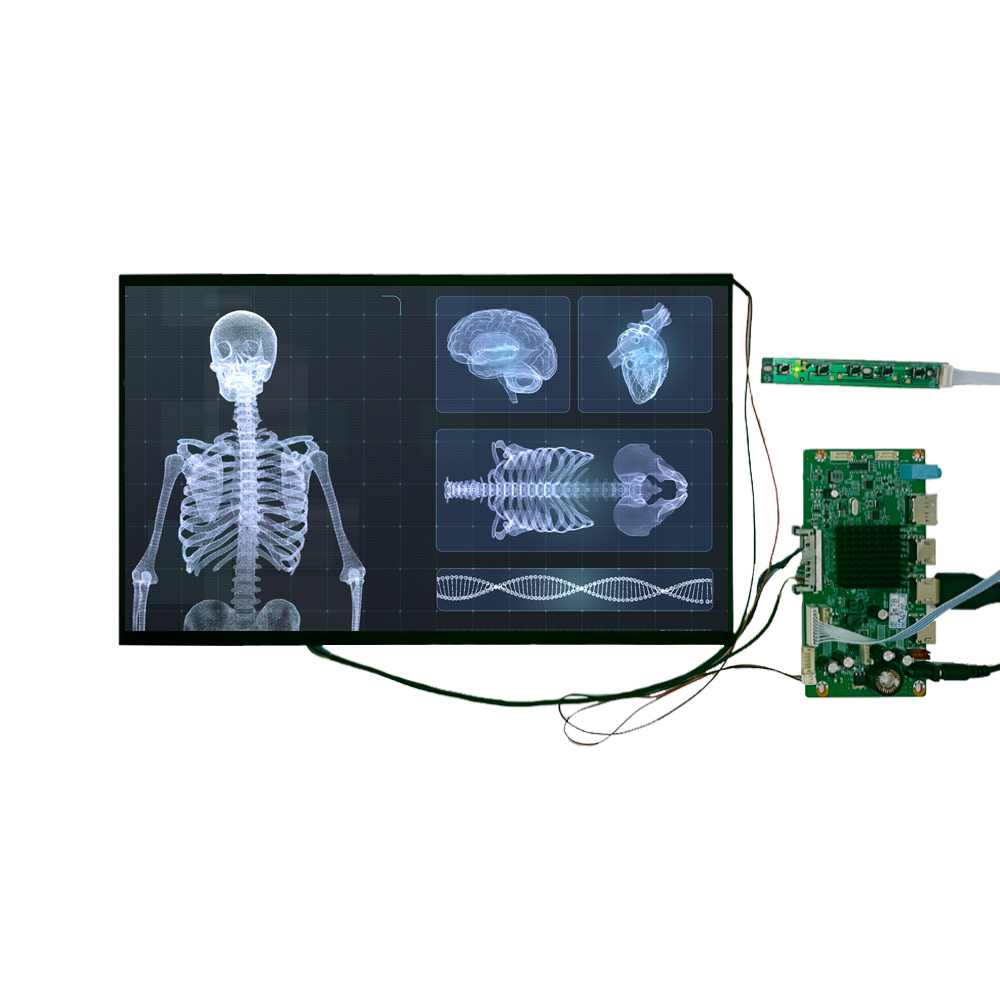 2025-12-0215,6-Zoll 4K Medical Display Module für hochpräzise diagnostische Bildgebung

Products
Commercial LCD Display
Gaming LCD Module
High Resolution Medical Display
Outdoor Display
E-ink LCD Display
Desk VR Monitor
OLED Display
Total Solutions
Service
Custom Touch Screen Solutions
Customized Frames & Protective Cover Glass
LCD Driver Board & Accessory Customization
Contact us
Contact Us
Copyright © 2025 Shenzhen Aptus Technology Co.,Ltd All Rights Reserved.

-
Inquire
- Top