Introduction
When selecting a display for outdoor or high-brightness environments, one of the most common questions is whether a standard LCD panel is sufficient or if a sunlight readable LCD is required.
At first glance, both display types may appear similar. However, their performance differences become significant when exposed to real-world outdoor conditions such as direct sunlight, extreme temperatures, and continuous operation.
Choosing the wrong type of display can result in poor visibility, reduced lifespan, and increased maintenance costs.
This article provides a detailed comparison between standard LCDs and sunlight readable LCD screens, helping you make the right decision based on your application requirements.
What Is a Standard LCD Display
A standard LCD display is typically designed for indoor environments such as offices, retail spaces, and consumer electronics.
These displays usually feature:
-
Brightness levels between 250 and 400 nits
-
Limited temperature range (0°C to 50°C)
-
Basic anti-glare treatment
-
Moderate lifespan under continuous use
While they perform well indoors, their limitations become apparent when used outdoors.
What Is a Sunlight Readable LCD
A sunlight readable display is specifically engineered for high ambient light environments.
Key characteristics include:
-
High brightness (800 to 2500+ nits)
-
Enhanced contrast and visibility
-
Support for wide temperature LCD operation
-
Advanced optical treatments such as bonding and anti-reflection
These displays are designed to remain visible and stable even under direct sunlight and harsh environmental conditions.
Brightness Comparison: The Most Critical Factor
Brightness is the most obvious difference between the two display types.
Standard LCD
-
250–400 nits
-
Suitable for indoor or shaded environments
-
Poor visibility under direct sunlight
Sunlight Readable LCD
-
800–2500+ nits
-
Designed for outdoor visibility
-
Maintains clarity even in strong sunlight
Recommended Brightness Levels
For practical applications, the following guidelines can be used:
-
Indoor near windows: 700–1000 nits
-
Semi-outdoor environments: 1000–1500 nits
-
Direct sunlight exposure: 1500–2500+ nits
These thresholds help ensure consistent readability across different lighting conditions.
Temperature Performance Differences
Temperature has a major impact on display reliability.
Standard LCD
Standard panels are not designed for extreme environments.
Operating outside their temperature range can lead to:
-
Slow response time
-
Image ghosting
-
Color distortion
-
Permanent damage
Wide Temperature LCD
Sunlight readable displays are often built with wide temperature display technology.
Typical operating range:
This ensures stable performance in both freezing and high-temperature environments.
Visibility and Optical Performance
Visibility is not determined by brightness alone.
Standard LCD Limitations
-
High reflectivity
-
Low contrast in bright light
-
Poor readability outdoors
Sunlight Readable Enhancements
-
Optical bonding reduces internal reflections
-
Anti-glare coatings improve clarity
-
Higher contrast ratios enhance image quality
These improvements significantly enhance real-world usability.
Durability and Lifespan Comparison
Outdoor environments place significant stress on display systems.
Standard LCD
-
Shorter lifespan under continuous use
-
Sensitive to heat and UV exposure
-
Higher failure rate in outdoor conditions
Sunlight Readable LCD
-
Designed for long-term outdoor operation
-
More resistant to environmental stress
-
Lower maintenance requirements
Real-World Case Example
To better understand the impact of choosing the wrong display, consider the following example:
A transportation kiosk was initially equipped with a 400-nit standard LCD.
Result
-
Screen unreadable during midday
-
Frequent overheating issues
-
Increased maintenance and replacement costs
After upgrading to a sunlight readable LCD screen:
-
Visibility improved significantly
-
System stability increased
-
Maintenance costs were reduced
This highlights the importance of selecting the right display technology from the beginning.
Cost Comparison: Short-Term vs Long-Term
Standard LCDs typically have lower upfront costs, making them attractive for budget-sensitive projects.
However, long-term costs often tell a different story.
Standard LCD
-
Lower initial cost
-
Higher maintenance and replacement costs
-
Reduced lifespan
Sunlight Readable LCD
-
Higher initial investment
-
Lower total cost of ownership
-
Better long-term reliability
For outdoor applications, the long-term benefits often outweigh the initial cost difference.
Integration Considerations
Choosing between standard and sunlight readable LCDs also impacts system design.
Key considerations include:
-
Power consumption and thermal management
-
Mechanical integration and enclosure design
-
Environmental protection requirements
A well-designed system ensures that the display performs reliably under all conditions.
A representative example of an outdoor-ready display solution can be found here:
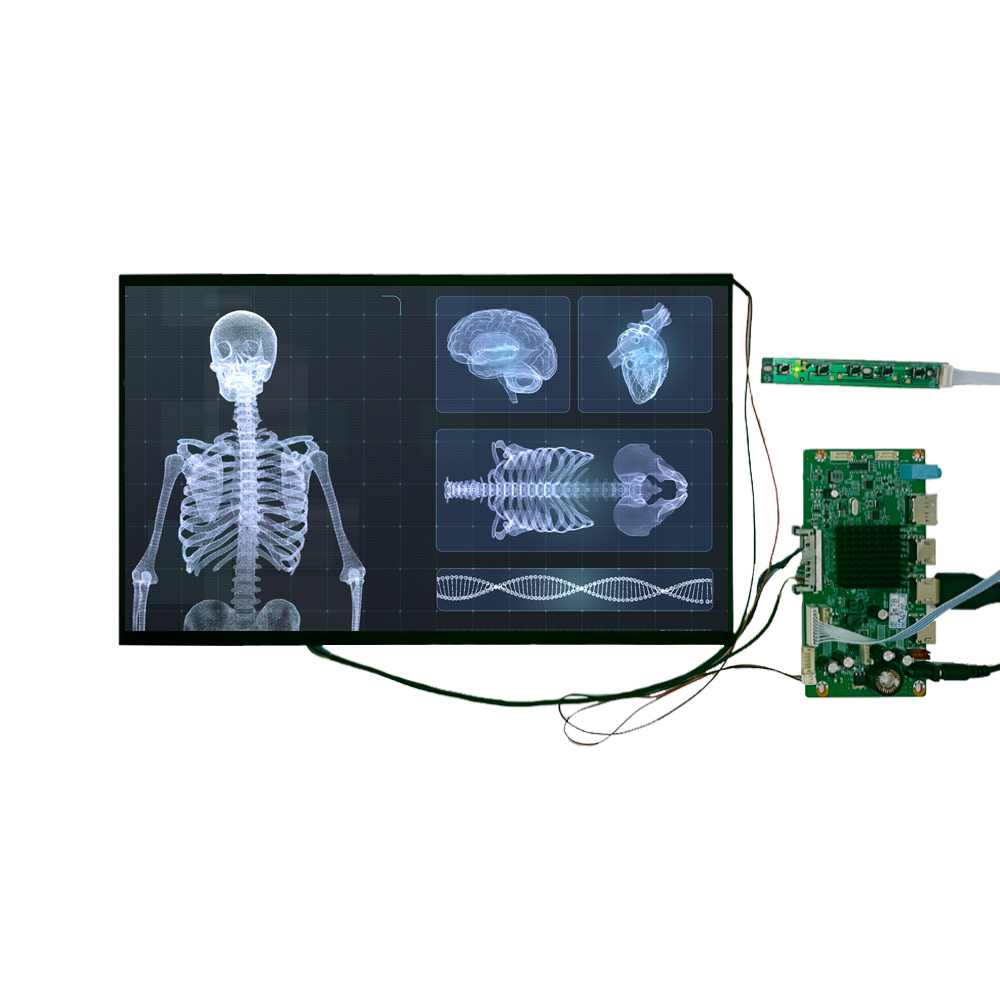
15.6 inch 1920x1080 30PIN LVDS Wide Temperature TFT LCD Module
Application-Based Decision Guide
The choice between standard and sunlight readable LCD depends on the application environment.
When Standard LCD Is Sufficient
-
Indoor environments
-
Controlled lighting conditions
-
Limited operating hours
When Sunlight Readable LCD Is Required
-
Outdoor installations
-
Direct sunlight exposure
-
Wide temperature environments
-
Mission-critical systems
Further Reading
For more insights, you may explore:
Why Wide Temperature LCD and Sunlight Readable Displays Are Essential for Outdoor Applications
How to Choose the Right Sunlight Readable LCD for Outdoor Use
Wide Temperature LCD and Outdoor Display Performance Guide
Conclusion
While standard LCD displays are suitable for indoor use, they are not designed to handle the challenges of outdoor environments.
Sunlight readable LCD screens, especially those with wide temperature support, provide superior visibility, durability, and long-term reliability.
By understanding the differences between these technologies, you can make informed decisions that improve system performance and reduce overall costs.
As outdoor applications continue to grow, choosing the right display technology is no longer optional—it is essential.

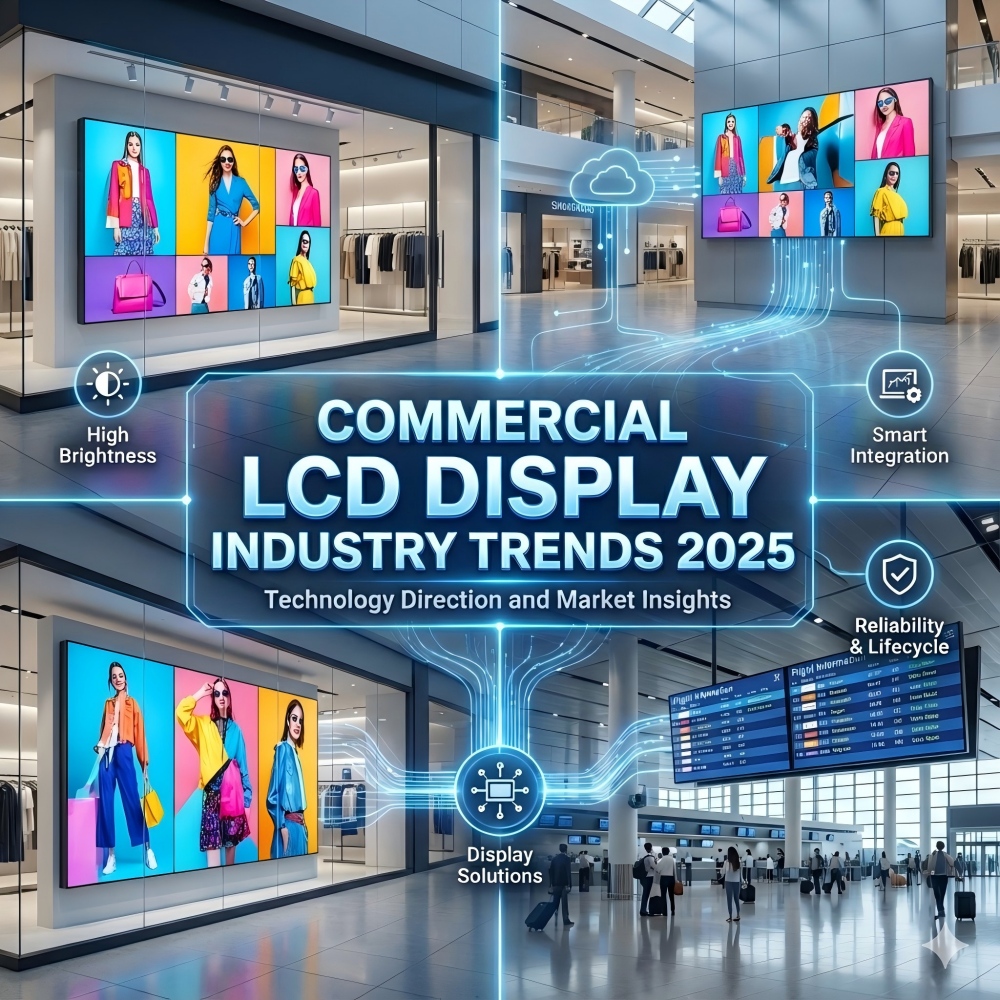 2025-12-29Commercial LCD Display Industry Trends and Market Insights for 2025
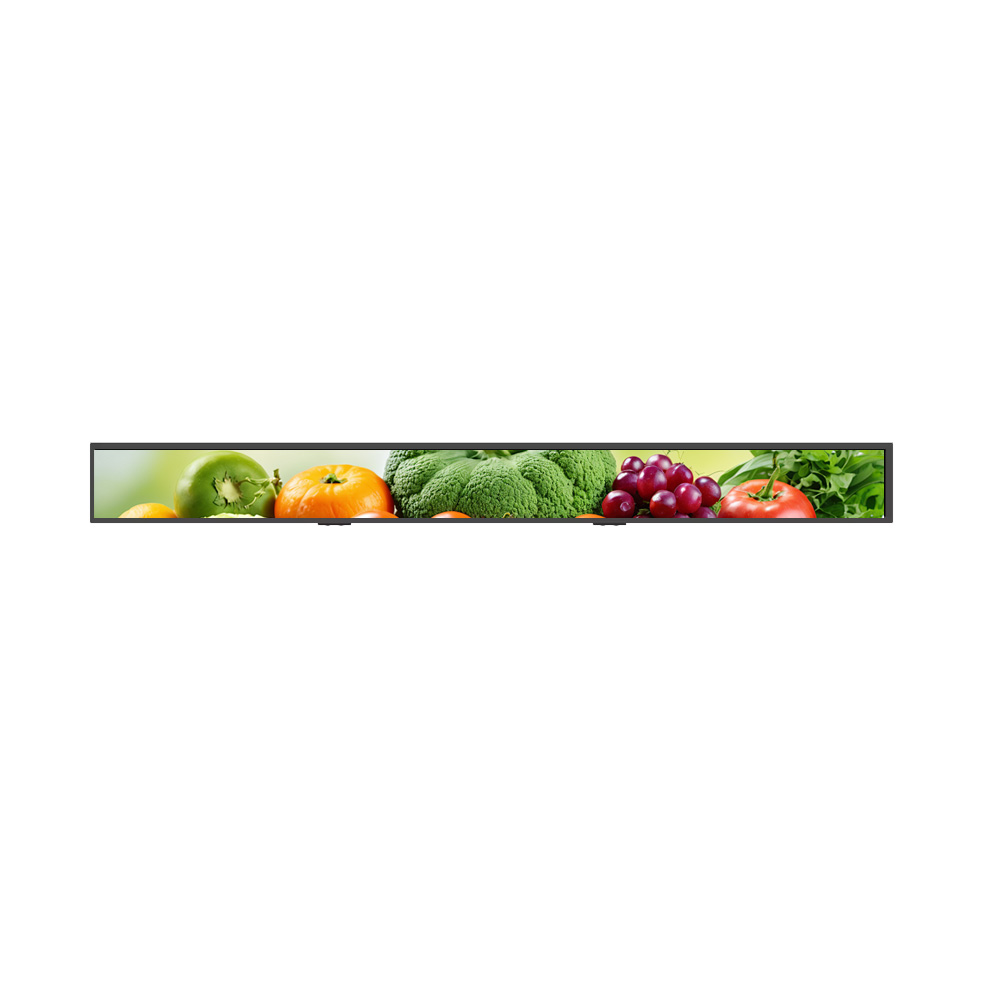 2025-12-23Why Custom Commercial Displays Are Becoming Standard in Modern Systems
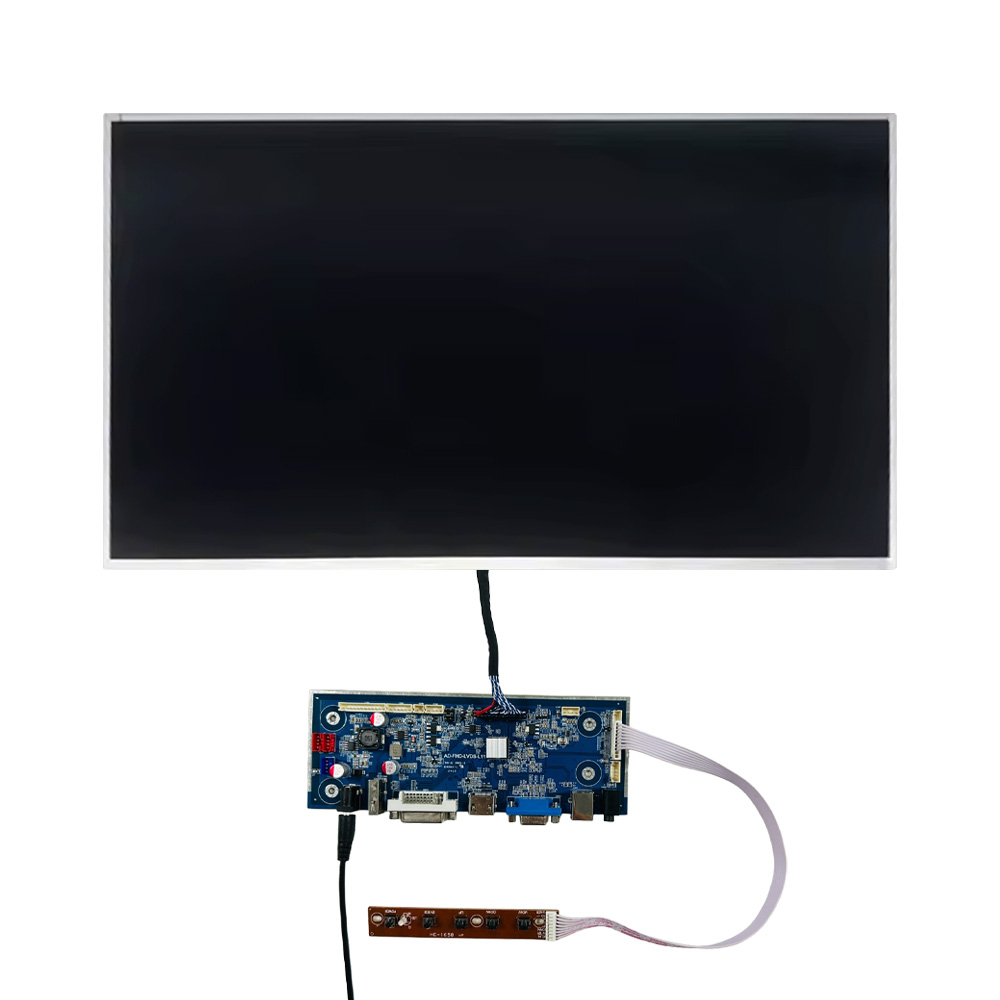 2025-12-17Advancing Outdoor Visual Systems with High-Brightness, Wide-Temperature LCD Technology
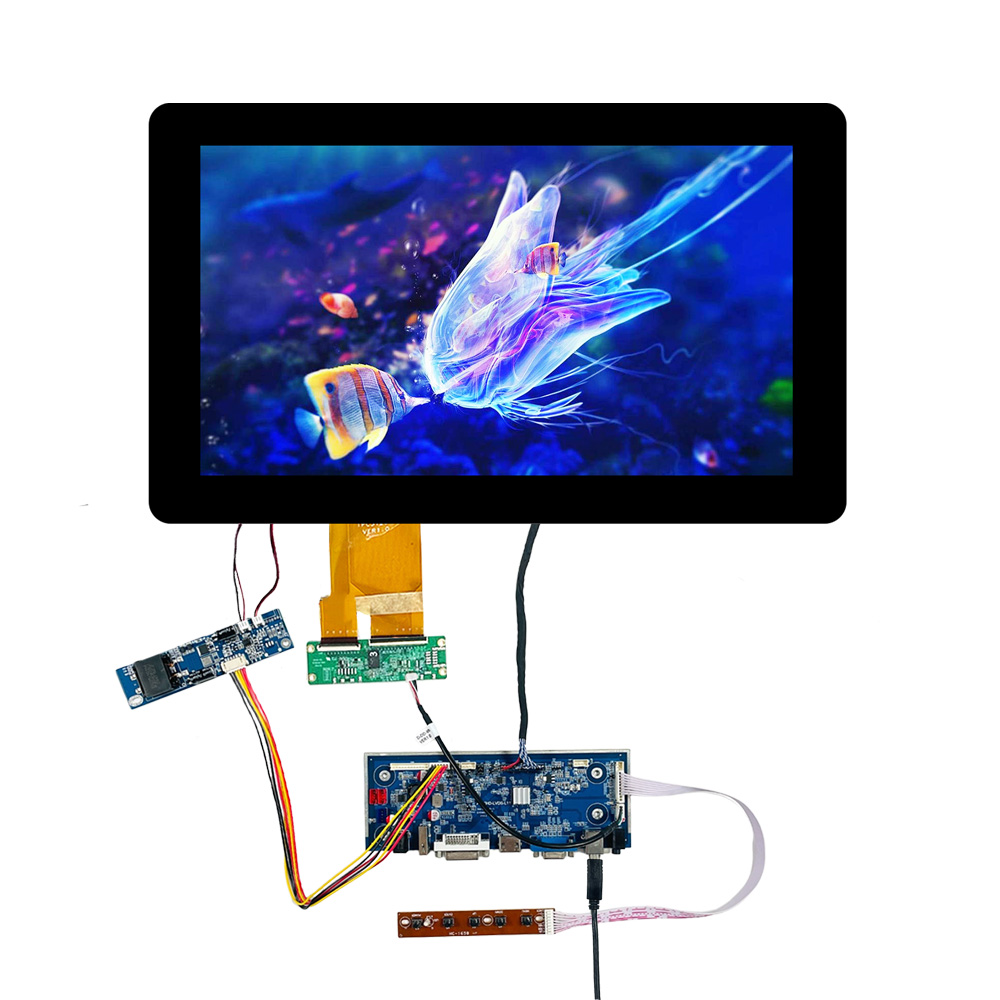 2025-12-10Outdoor Commercial LCD Modules for Wide Temperature High-Brightness Advertising Displays
 2025-12-0215,6-Zoll 4K Medical Display Module für hochpräzise diagnostische Bildgebung