Professional commercial display solution provider

The Ultimate Guide to Commercial Stretched LCD Display Solutions: Engineering, Applications, and ROI
The Ultimate Guide to Commercial Stretched LCD Display Solutions: Engineering, Applications, and ROI
The Visual Transformation of Modern Commercial Spaces
In the fast-evolving landscape of 2026, the way businesses communicate with their audience has undergone a radical shift. Traditional 16:9 displays, while versatile, often fail to meet the unique spatial requirements of modern architectural and retail environments. This has led to the rise of commercial stretched LCD display solutions—a specialized category of ultra-wide screens designed to turn underutilized spaces into high-impact digital touchpoints. From the narrow headers of subway doors to the slim edges of retail shelving, these "bar-type" displays are redefining the boundaries of visual engagement.
At the heart of this revolution is the need for seamless integration. Businesses are no longer looking for standalone monitors; they are seeking integrated visual systems that can withstand the rigors of 24/7 operation while maintaining pristine image quality. As a professional manufacturer, Duobond Display understands that a stretched LCD is not just a "cut-down" screen, but a precision-engineered tool designed for specific commercial missions.
Defining the Stretched Bar LCD Technology
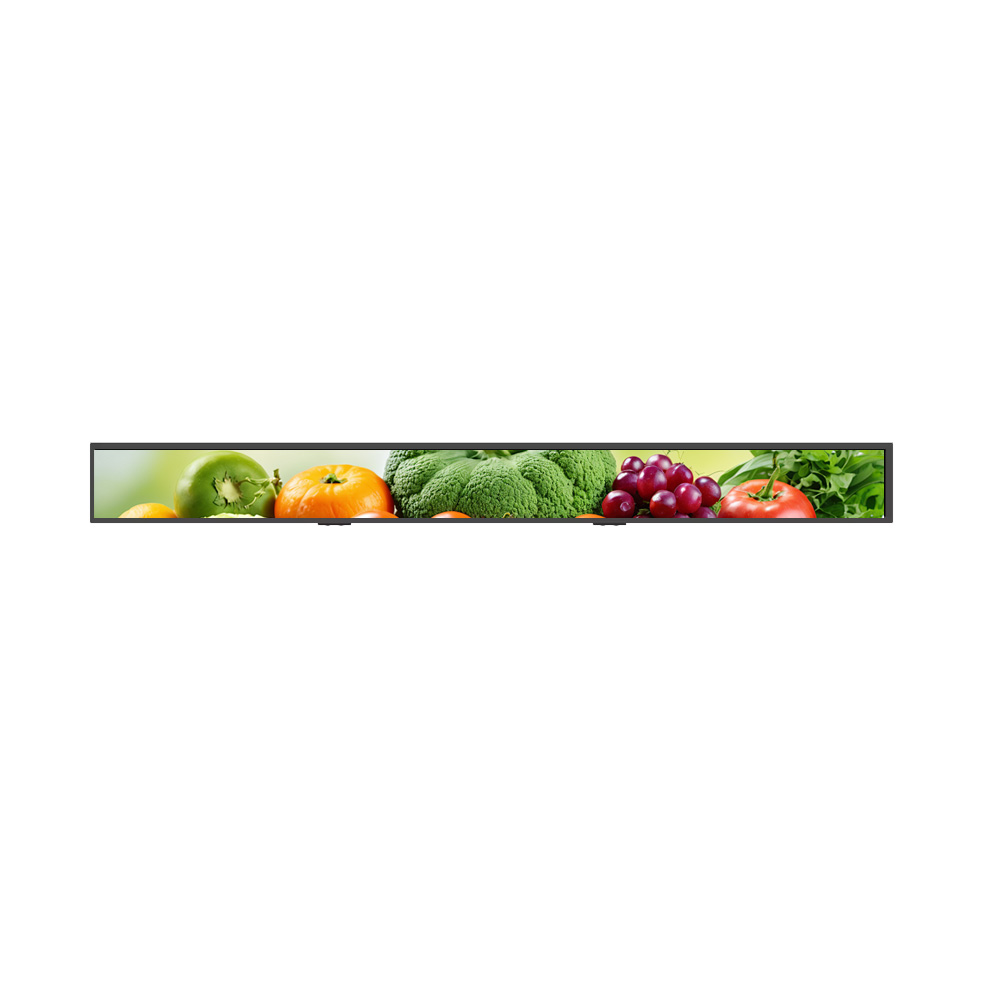
A stretched LCD, or bar display, is characterized by its unconventional aspect ratio, which is significantly wider than it is tall. This unique geometry allows for the presentation of panoramic content or synchronized data streams that would be awkward on a standard screen. The engineering behind these displays involves complex liquid crystal alignment and specialized backlight configurations to ensure that the extreme dimensions do not lead to light leakage or color distortion.
There are two primary manufacturing approaches in the industry: native production and high-precision panel cutting. Native bar panels are manufactured from the glass substrate level in their final dimensions, offering the highest level of structural integrity. Panel cutting, on the other hand, involves resizing a standard large-format panel using specialized laser equipment. Both methods require expert sealing techniques to prevent the ingress of dust and moisture, ensuring the long-term stability of the liquid crystal cells.
The Industry Standard: 23.1-Inch Stretched Bar LCD Display
Within the diverse ecosystem of bar-type screens, the 23.1-inch model has emerged as the definitive choice for smart retail and public information systems. This specific size is not arbitrary; it is meticulously designed to match the standard width of international retail shelving units. The 23.1 inch stretched bar LCD display provides a high-resolution interface that replaces traditional static paper labels with dynamic, programmable content.
The 23.1-inch form factor strikes the perfect balance between visibility and unobtrusiveness. It is wide enough to display complex promotional videos and real-time pricing side-by-side, yet slim enough to be integrated into existing shelf-edge extrusions without interfering with product access. This makes it an essential component for any modern "Store of the Future" initiative.
Advanced Technical Specifications for Professional Deployment
When procurement officers and system integrators evaluate commercial displays, they look far beyond screen size. The performance of a stretched LCD is dictated by several critical technical parameters that ensure its viability in professional settings.
Luminance and Ambient Light Management Commercial environments are rarely optimized for screens. A retail store might have harsh overhead LED lighting, while a transit hub may be flooded with natural sunlight. Therefore, the luminance (measured in nits) must be carefully selected. Standard commercial models typically offer 300 to 500 nits, which is sufficient for indoor use. However, for window-facing applications or outdoor-adjacent kiosks, high-brightness versions exceeding 700 to 1000 nits are required to maintain contrast and readability.
IPS Technology and Viewing Angle Stability In a busy commercial aisle, customers view displays from varying heights and angles. Using In-Plane Switching (IPS) technology is non-negotiable. IPS panels ensure that colors remain consistent and text remains sharp even when viewed from extreme 178-degree horizontal and vertical angles. This prevents the "color shifting" common in cheaper TN panels, which can negatively impact brand perception.
Signal Integrity and Control Interfaces Reliability in content delivery is paramount. Modern bar displays must support a variety of input signals, including HDMI and DisplayPort, for high-bandwidth video data. For more integrated solutions, many displays now feature LVDS or eDP interfaces that connect directly to internal media players or Android-based System-on-Chip (SoC) boards. This allows for remote content management and real-time synchronization across hundreds of screens via a central CMS.
Manufacturing Excellence: The Role of Optical Bonding
One of the most significant advancements in display durability is the process of optical bonding. Traditionally, an air gap exists between the LCD panel and the protective cover glass. This gap can cause internal reflections and allow for the buildup of condensation or dust. Optical bonding involves filling this gap with a specialized optical-grade resin (OCR or OCA).
The benefits are twofold. First, it dramatically improves the visual performance by eliminating the internal reflection index change, making the blacks deeper and the colors more vivid. Second, it increases the mechanical strength of the display, making it resistant to the vibrations found in transportation settings or the physical impacts in high-traffic retail zones. For any project requiring long-term reliability, optical bonding is a highly recommended customization.
Industry Applications: Where Stretched LCDs Excel
The versatility of the ultra-wide format opens doors across various sectors, each with its own set of requirements.
Smart Retail and Shelf-Edge Marketing In the grocery and luxury retail sectors, the 23.1-inch bar screen acts as a "silent salesperson." It can display dynamic pricing that syncs with inventory levels, show cross-promotional advertisements (e.g., suggesting a specific wine to pair with cheese), and provide QR codes for instant coupons. This level of interactivity has been shown to significantly increase impulse purchase rates.
Public Transportation and Wayfinding Space is at a premium inside train cars and buses. Stretched displays are often installed in the narrow space above doors or along the "header" area to provide real-time route maps, upcoming station announcements, and public safety messages. Their wide aspect ratio allows for a linear representation of a transit line that is intuitive for passengers to read at a glance.
Medical and Corporate Environments In hospitals, slim bar displays are used outside consultation rooms to show patient status or doctor availability without taking up the wall space required by a standard monitor. In corporate settings, they serve as sleek "digital nameplates" or dashboard displays in command-and-control centers where multiple data streams need to be monitored simultaneously.
Installation, Mechanical Integration, and Thermal Management
A major hurdle in deploying commercial displays is the physical installation. Unlike consumer TVs, commercial bar screens often require bespoke mounting solutions. Many models come equipped with standardized VESA holes, but the slim nature of the device often calls for custom brackets that can be hidden behind the shelf extrusion or integrated into a kiosk housing.
Thermal management is another critical consideration. Because these screens often run 24/7 in enclosed spaces, heat dissipation is vital. Professional manufacturers use aluminum alloy housings that act as a giant heat sink, drawing warmth away from the sensitive liquid crystal cells. This prevents the "blackening" effect that occurs when a panel overheats, ensuring the display maintains its peak performance for years.
Evaluating the ROI of Digital Stretched Solutions
The transition from static to digital signage is an investment that yields measurable returns. The primary ROI driver is the elimination of manual labor costs associated with printing and replacing paper labels. Furthermore, the ability to update prices in real-time across an entire retail chain allows businesses to respond instantly to competitor pricing or time-sensitive promotions.
From a brand perspective, the "premium" feel of a high-resolution bar display elevates the customer experience. It signals a commitment to innovation and provides a cleaner, more organized aesthetic than cluttered paper signage. When integrated with AI-driven sensors, these displays can even perform "audience analytics," showing different content based on the demographics of the person standing in front of the shelf.
Comprehensive FAQ for Commercial Buyers
-
Can stretched LCDs be used in portrait orientation? Yes, professional-grade bar displays are designed to operate in both landscape and portrait modes. However, it is important to specify this during the ordering process so that the manufacturer can optimize the backlight and internal cooling for the desired orientation.
-
What is the difference between a cut panel and a native bar panel? A native panel is built from scratch in the wide format, offering better structural integrity and slightly better optical performance. A cut panel is a standard screen that has been laser-cut and re-sealed, which is often a more cost-effective way to achieve very specific or unusual sizes.
-
How do I manage content on such an unusual aspect ratio? Most modern CMS platforms allow you to define custom resolutions. You simply create your content (video or images) in the specific pixel dimensions of the display (e.g., 1920x158), and the media player will output the signal correctly.
Conclusion: Partnering with a Specialized Manufacturer
The demand for sophisticated commercial LCD display solutions continues to grow as businesses seek more creative ways to utilize their physical space. Choosing the right display involves a deep understanding of luminance, interface compatibility, and mechanical integration. As the industry moves toward more interactive and data-driven environments, the role of specialized hardware like the stretched bar LCD will only become more central.
By partnering with a manufacturer like Duobond Display, you gain access to the engineering expertise required to turn a technical vision into a reliable, high-performance reality. Whether you are deploying a single 23.1-inch screen or a global network of digital signage, the focus remains the same: delivering a visual experience that captures attention and drives results.
Previous:No more
Back to list
Recommended reading
 2025-12-29Commercial LCD Display Industry Trends and Market Insights for 2026
 2025-12-23Why Custom Commercial Displays Are Becoming Standard in Modern Systems
 2025-12-17Advancing Outdoor Visual Systems with High-Brightness, Wide-Temperature LCD Technology
 2025-12-10Outdoor Commercial LCD Modules for Wide Temperature High-Brightness Advertising Displays
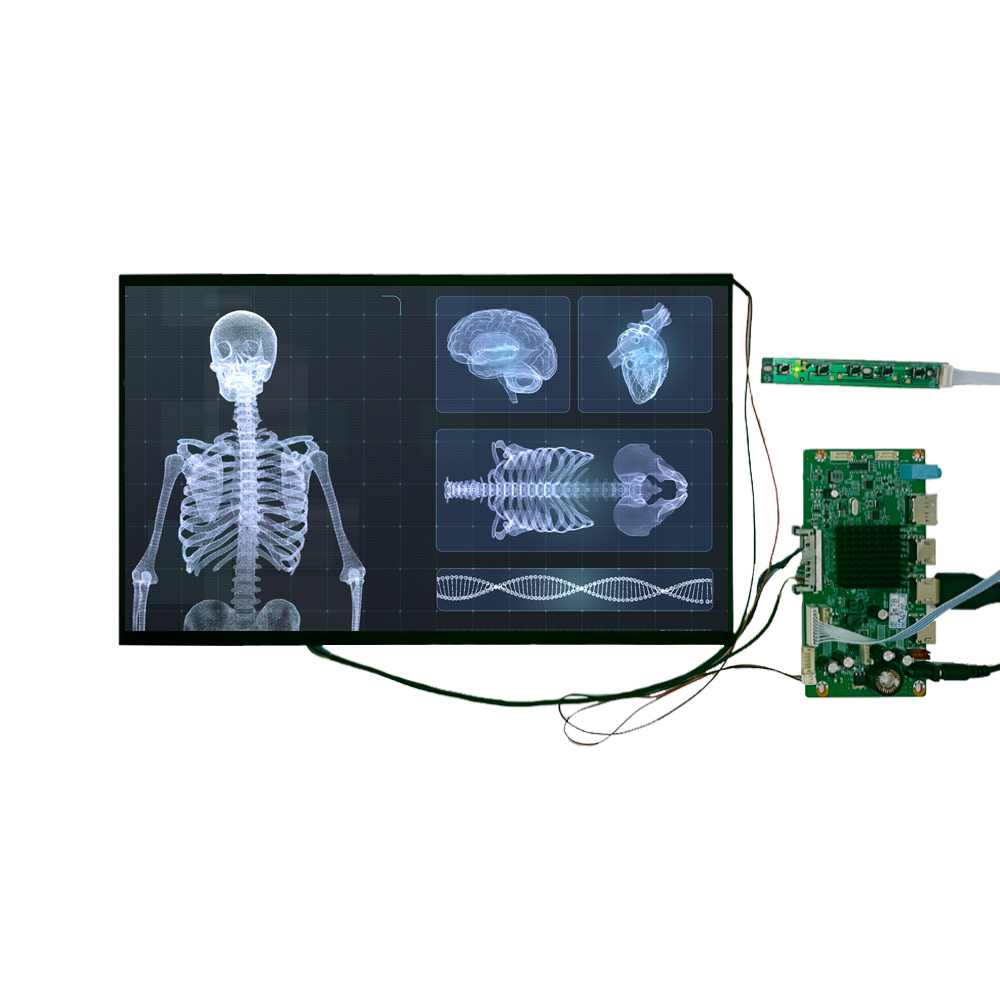 2025-12-0215,6-Zoll 4K Medical Display Module für hochpräzise diagnostische Bildgebung

Products
Commercial LCD Display
Gaming LCD Module
High Resolution Medical Display
Outdoor Display
E-ink LCD Display
Desk VR Monitor
OLED Display
Total Solutions
Service
Custom Touch Screen Solutions
Customized Frames & Protective Cover Glass
LCD Driver Board & Accessory Customization
Contact us
Contact Us
Copyright © 2025 Shenzhen Aptus Technology Co.,Ltd All Rights Reserved.

-
Inquire
- Top