Professional commercial display solution provider

- Home
-
Products
Professional commercial display solutions
-
About us
In good faith to customers
-
Service
Provide professional and meaningful advice
-
Knowledge Center
Innovation for development
- Contact us
How do I choose a display that is readable under strong ambient light?
How do I choose a display that is readable under strong ambient light?
When selecting a display for strong ambient light or direct sunlight environments, the key challenge is not just brightness—it is maintaining contrast, color visibility, and system stability under uncontrolled lighting conditions.
In real B2B projects, this decision directly affects user experience, system uptime, and product reliability in the field.
1. First Understand the Core Problem: Why Standard Displays Fail Outdoors
Most commercial LCDs are designed for indoor environments (250–500 nits). In high ambient light conditions:
- Screen appears “washed out”
- Contrast drops significantly
- Black levels become gray
- Content becomes unreadable from angles
This is caused by a simple physics issue:
Ambient light intensity > display brightness + contrast capability
So the solution is not only “more brightness”, but a complete outdoor display system design.
2. Application Scenario Analysis (Most Important Part)
Instead of choosing by specification first, you should identify the real deployment scenario, because each scenario has different optical and thermal requirements.
Scenario 1: Direct Sunlight Outdoor Digital Signage
Typical applications:
- Street advertising screens
- Outdoor shopping mall signage
- Transportation information boards
- Smart city kiosks
Environmental characteristics:
- Direct sunlight exposure all day
- High UV radiation
- Large temperature fluctuation
- Long continuous operation (often 24/7)
Technical requirements:
- 2500–4000+ nits ultra-high brightness
- Wide temperature: -30°C to +85°C / -40°C to +85°C
- Optical bonding + AR glass
- IP65+ enclosure protection
- Active thermal management
This is the most demanding scenario, requiring full outdoor-grade LCD solutions.
Scenario 2: Semi-Outdoor Retail & Window Display
Typical applications:
- Storefront advertising screens
- Shopping mall entrances
- Airport retail zones
- Fast food menu boards near windows
Environmental characteristics:
- Indirect sunlight (through glass)
- Strong ambient reflection
- Frequent content changes
- Customer close viewing distance
Technical requirements:
- 1500–2500 nits brightness
- Anti-reflective + anti-glare surface treatment
- Optical bonding strongly recommended
- Moderate wide temperature support
Here, visibility depends more on contrast optimization than extreme brightness.
Scenario 3: High Ambient Indoor Environments
Typical applications:
- Exhibition halls
- Airports and train stations
- Large commercial spaces
- Conference centers
Environmental characteristics:
- Strong artificial lighting
- Mixed viewing angles
- Medium-distance viewing
Technical requirements:
- 700–1500 nits brightness
- Anti-glare surface treatment
- Optional optical bonding
- Standard industrial temperature range may be sufficient
In this case, balance between cost and performance is important.
Scenario 4: Mission-Critical Industrial Outdoor Systems
Typical applications:
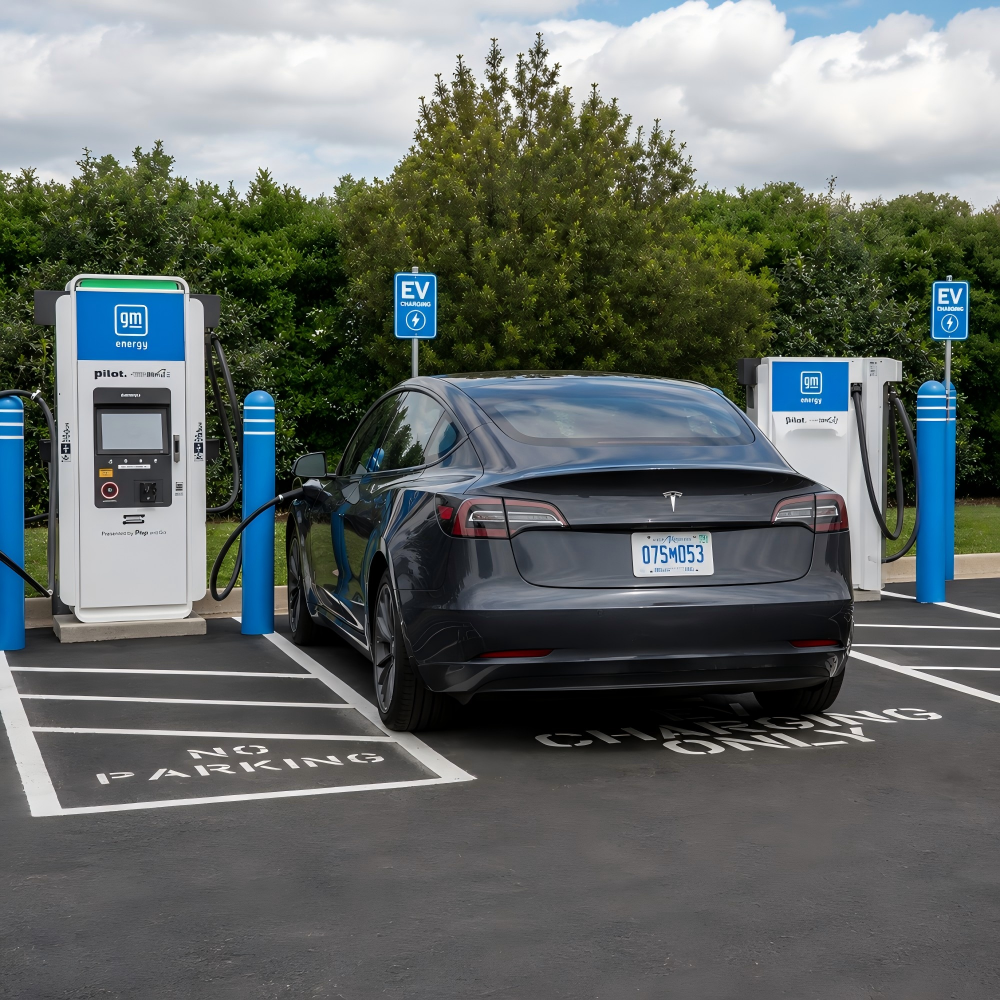
- EV charging stations
- Industrial control terminals outdoors
- Smart infrastructure panels
- Public service kiosks
Environmental characteristics:
- Continuous operation
- Harsh weather exposure
- High reliability requirement
Technical requirements:
- -40°C to +85°C full industrial range
- High brightness + long-life LED backlight
- Strong EMI resistance
- High reliability supply chain stability
Here, stability is more important than peak brightness.
3. Brightness Selection (Still the Foundation)
| Environment | Brightness Requirement |
|---|---|
| Indoor | 250–500 nits |
| Semi-outdoor | 700–1500 nits |
| Outdoor shaded | 1500–2500 nits |
| Direct sunlight | 2500–4000+ nits |
Brightness alone is not enough, but it defines the baseline.
4. Wide Temperature Requirement (Critical Industrial Factor)
Outdoor LCDs must operate across extreme thermal conditions:
- Standard industrial grade: -30°C to +85°C
- High reliability grade: -40°C to +85°C
This ensures:
- Liquid crystal stability at low temperatures
- Backlight durability under heat
- No image lag or freezing in cold environments
5. Optical System (Determines Real Readability)
Even with high brightness, visibility depends heavily on optical engineering:
- Optical bonding (removes air gap reflections)
- Anti-reflective (AR) coating (reduces sunlight glare)
- Anti-glare (AG) surface treatment (improves diffusion)
In many outdoor projects, optical bonding improves readability more than increasing brightness.
6. System-Level Engineering Considerations
A true outdoor display is not just a panel:
- Thermal dissipation structure (aluminum frame design)
- Smart brightness control (ambient light sensors)
- Waterproof enclosure (IP65/IP66)
- Sealed interface design for LVDS/eDP/HDMI systems
7. Recommended Solution Approach
For any application under strong ambient light or direct sunlight, the correct approach is not selecting a panel alone—but using a complete outdoor display solution system:
High brightness + wide temperature + optical bonding + outdoor enclosure integration
You can explore suitable solutions here:
Final Conclusion
To choose a display readable under strong ambient light, you must evaluate:
- ✔ Real application scenario (not just specs)
- ✔ Brightness level (1500–4000+ nits depending on exposure)
- ✔ Wide temperature (-30°C to +85°C / -40°C to +85°C)
- ✔ Optical system (bonding + AR/AG)
- ✔ System-level thermal and enclosure design
The key insight is this:
Outdoor readability is not a single feature—it is a system-level engineering outcome.
Recommended reading
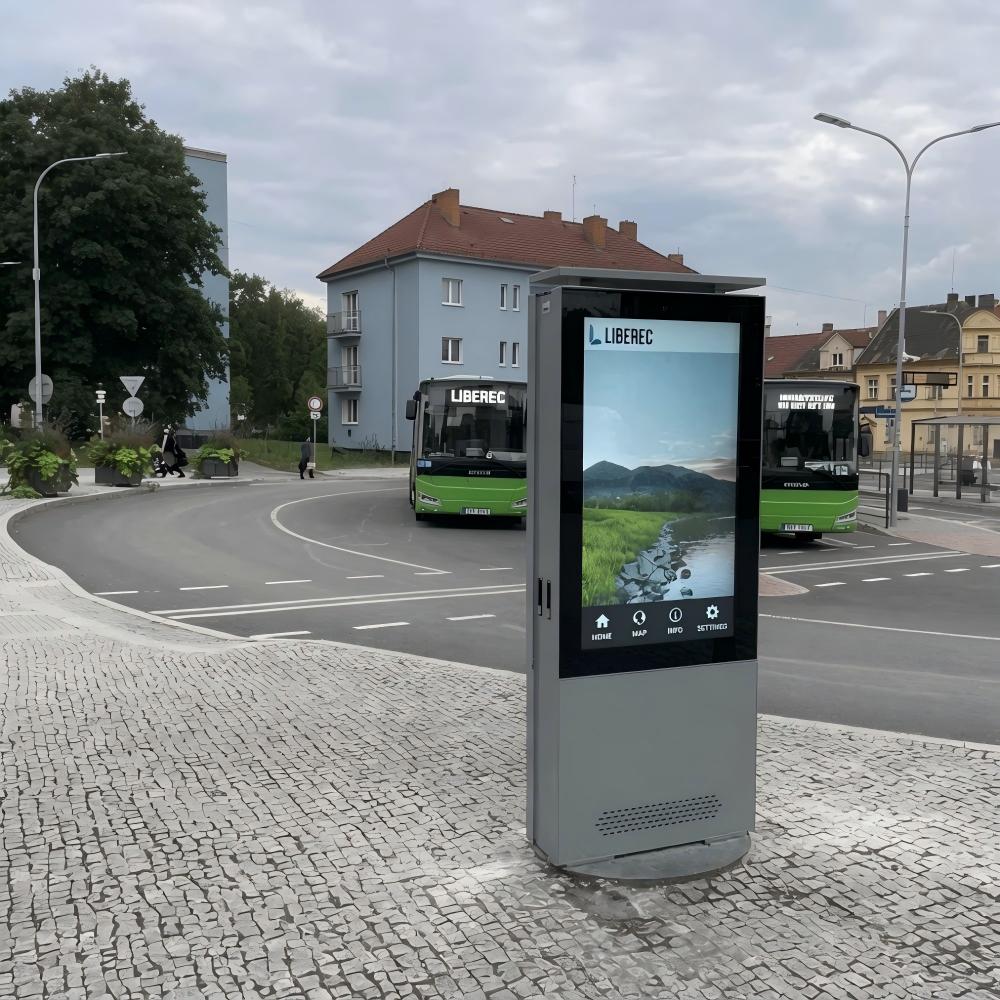 2026-06-30What is High Haze Anti-Glare Glass for Advertising Displays?
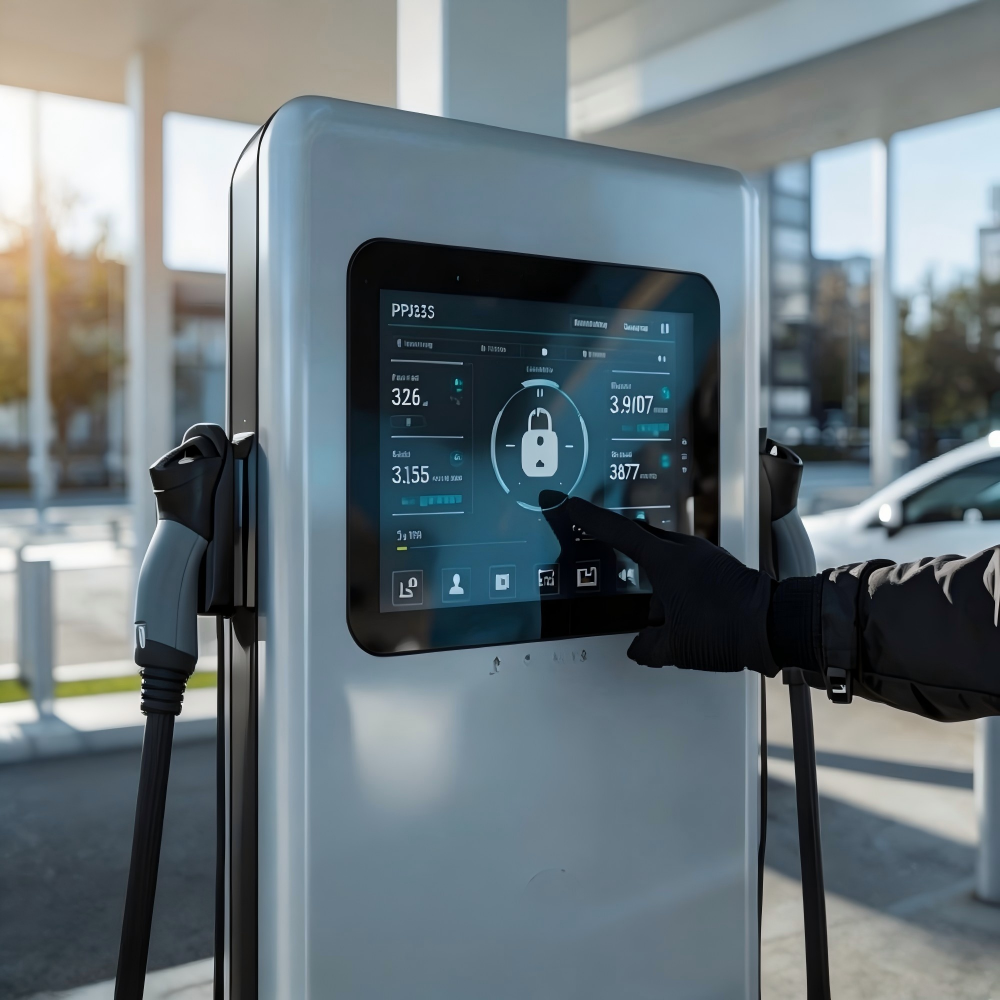 2026-06-30Optimizing Display Legibility for Outdoor EV Charging Infrastructure: A Technical Guide to Sunlight-Readable LCD Design
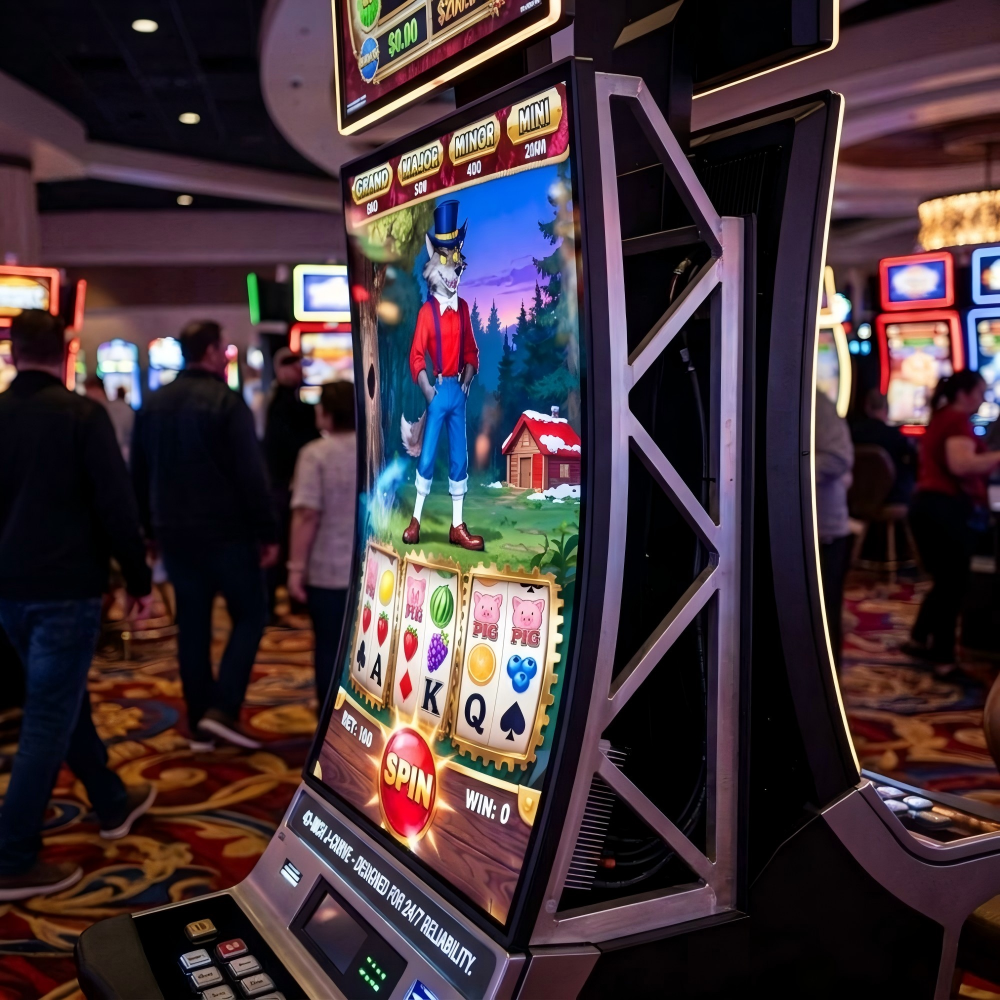 2026-06-29How Curved LCD Displays Ensure 24/7 Reliability in High-Traffic Gaming Environments
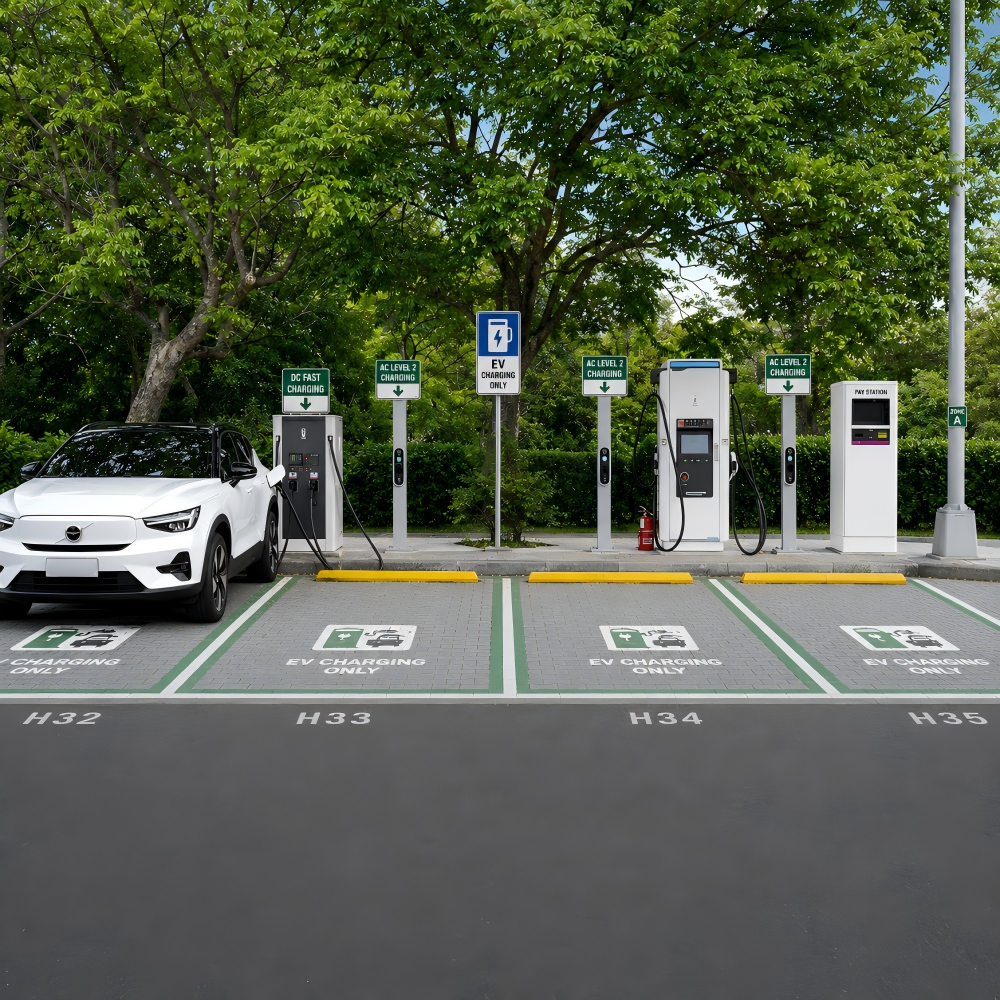 2026-06-23How Many Nits of Brightness Are Required for an EV Charging Station Display to Be Sunlight-Readable?
 2026-06-23What Touch Technology Is Best for EV Charging Station LCD Displays?

Products
Commercial LCD Display
Gaming LCD Module
Outdoor Display
MINI-LED LCD Display
High Resolution Medical Display
OLED Display
Total Solutions
E-ink LCD Display
Desk VR Monitor
Service
Custom Touch Screen Solutions
Customized Frames & Protective Cover Glass
LCD Driver Board & Accessory Customization
Contact us
Contact Us
Copyright © 2025 Shenzhen Aptus Technology Co.,Ltd All Rights Reserved.

-
Inquire
- Top