Professional commercial display solution provider

What Is a High-Resolution Medical Display and How Hospitals Use It
In today’s healthcare environment, the demand for high-quality imaging technology has never been higher. Hospitals and medical centers rely on advanced displays to deliver precise, detailed images to clinicians for accurate diagnosis and treatment planning. A high-resolution medical display for hospitals is not just a screen; it is a critical tool that ensures clinicians can interpret complex medical images with confidence.
Medical displays differ from standard commercial monitors in several key ways. First, they are calibrated to provide consistent brightness, contrast, and grayscale, even during prolonged operation. This consistency is crucial in radiology, where subtle differences in tissue density can indicate early-stage disease. A medical-grade display solution for diagnostic imaging ensures that every image is reproduced faithfully, reducing the risk of misdiagnosis.
Resolution and Clinical Impact
High-resolution medical displays typically provide 4K or higher resolution, allowing clinicians to see fine details that may be lost on lower-end monitors. In radiology departments, this means that small lesions, microfractures, or calcifications can be identified more reliably. Using a professional medical LCD display for healthcare applications, hospitals can maintain high standards of diagnostic accuracy while supporting high patient throughput.
Applications Across Hospital Environments
These displays are used in multiple clinical settings:
-
Radiology: High-resolution monitors improve diagnostic precision.
-
Surgery: Real-time visualization assists in minimally invasive procedures.
-
Intensive Care Units (ICU): Continuous monitoring alongside imaging feeds.
-
Telemedicine: Remote consultations require displays that maintain image fidelity.
Hospitals benefit from improved workflow efficiency when high-resolution displays are used. Clinicians can view multiple images simultaneously, collaborate with colleagues, and reduce the need for repeat imaging, saving time and resources.
Technical Considerations
When choosing a high-resolution medical display, hospitals should consider:
-
Pixel density and resolution: Critical for identifying fine anatomical details.
-
Brightness and contrast uniformity: Prevents misinterpretation caused by uneven lighting.
-
Color accuracy and grayscale consistency: Supports accurate diagnosis.
-
Durability and lifespan: Continuous operation demands reliable hardware.
-
System compatibility: Ensures integration with PACS, surgical imaging, and telemedicine platforms.
By selecting a high-resolution medical display for hospitals, healthcare institutions can meet clinical requirements while maintaining reliability over long periods of use.
Advantages in Workflow and Collaboration
High-resolution medical displays facilitate collaboration between departments. Radiologists, surgeons, and other clinicians can share the same high-quality image simultaneously, ensuring everyone has the same information. This improved communication leads to better patient outcomes, faster diagnosis, and smoother operations.
Preparing for the Future
As medical imaging continues to evolve, the need for high-resolution displays will grow. AI-assisted diagnostics, larger imaging datasets, and remote consultation require displays that maintain clarity, color accuracy, and consistency. Investing in a professional medical LCD display for healthcare applications ensures hospitals are ready for future technological demands.
Conclusion
High-resolution medical displays are essential in hospitals for diagnostic imaging, surgical support, and telemedicine. They enhance clinical accuracy, improve workflow efficiency, and enable healthcare providers to deliver better patient care. Using a medical-grade display solution for diagnostic imaging ensures that hospitals are equipped to meet modern healthcare challenges effectively.
Recommended reading
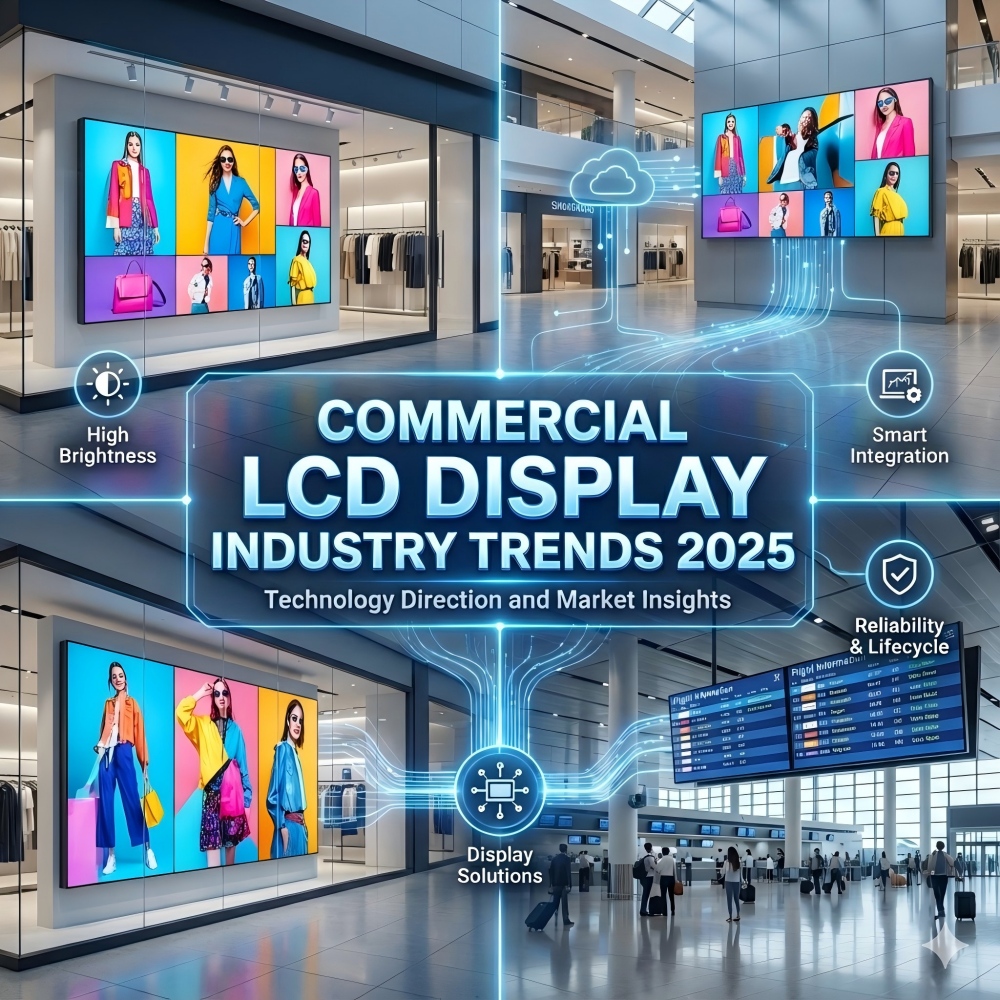 2025-12-29Commercial LCD Display Industry Trends and Market Insights for 2026
 2025-12-23Why Custom Commercial Displays Are Becoming Standard in Modern Systems
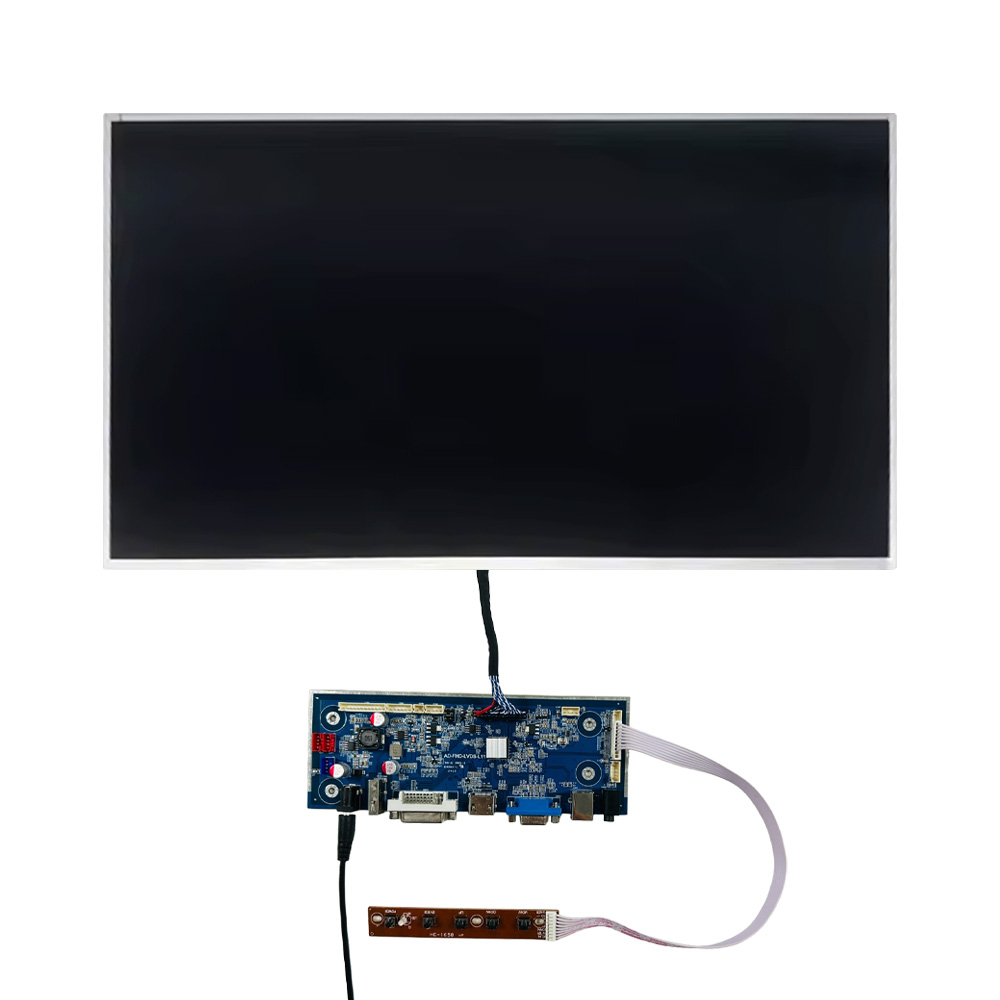 2025-12-17Advancing Outdoor Visual Systems with High-Brightness, Wide-Temperature LCD Technology
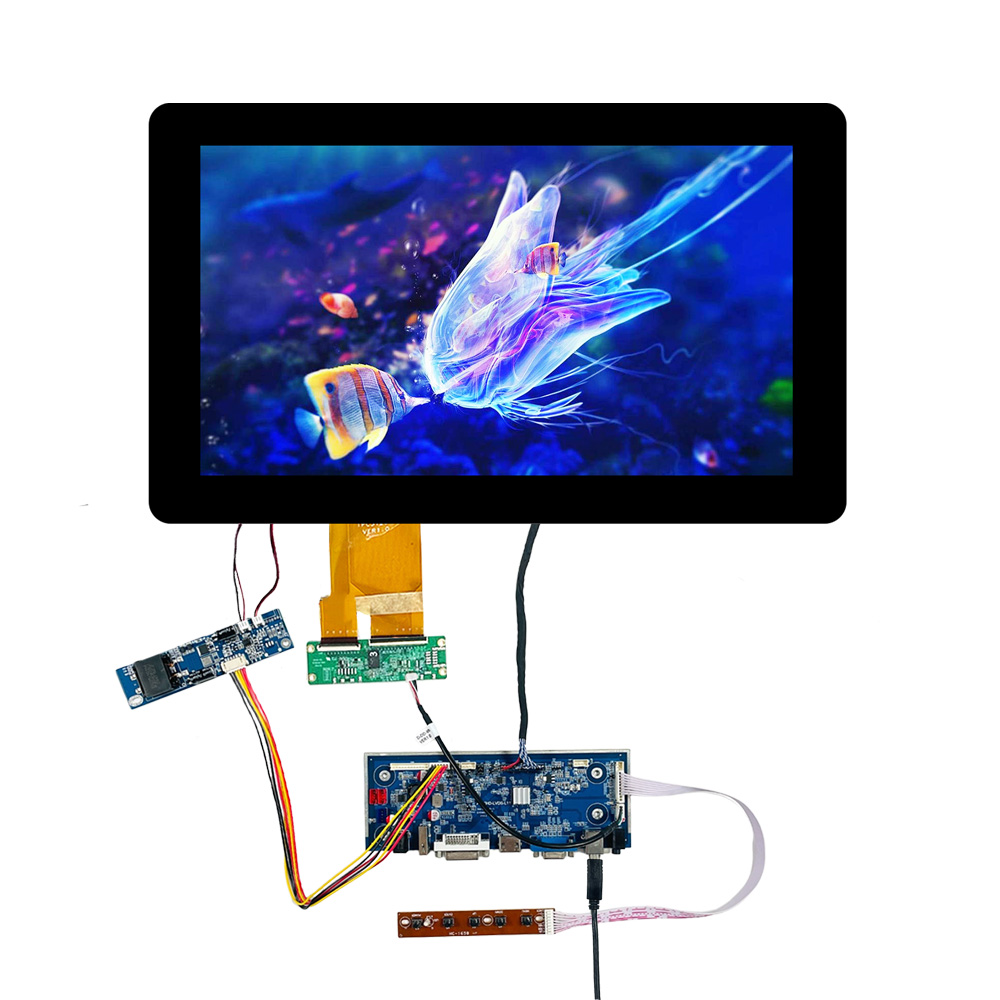 2025-12-10Outdoor Commercial LCD Modules for Wide Temperature High-Brightness Advertising Displays
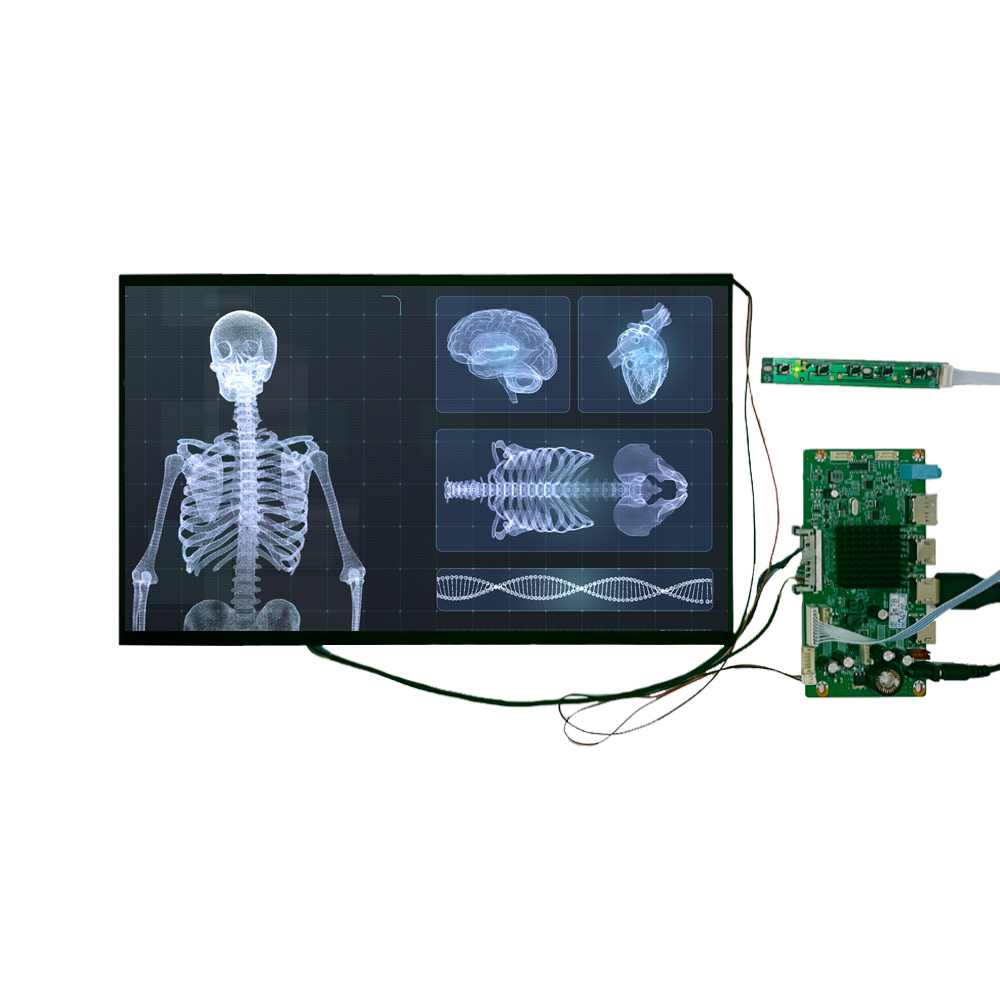 2025-12-0215,6-Zoll 4K Medical Display Module für hochpräzise diagnostische Bildgebung


Products
Commercial LCD Display
Gaming LCD Module
High Resolution Medical Display
Outdoor Display
E-ink LCD Display
Desk VR Monitor
OLED Display
Total Solutions
Service
Custom Touch Screen Solutions
Customized Frames & Protective Cover Glass
LCD Driver Board & Accessory Customization
Contact us
Contact Us
Copyright © 2025 Shenzhen Aptus Technology Co.,Ltd All Rights Reserved.

-
Inquire
- Top