Professional commercial display solution provider

- Home
-
Products
Professional commercial display solutions
-
About us
In good faith to customers
-
Service
Provide professional and meaningful advice
-
Knowledge Center
Innovation for development
- Contact us
What Is the Difference Between TFT LCD and OLED for Commercial Use?
What Is the Difference Between TFT LCD and OLED for Commercial Use?
In today's fast-paced commercial landscape, choosing the right display technology can significantly impact customer engagement, operational efficiency, and return on investment. Businesses rely on digital signage, interactive kiosks, point-of-sale systems, industrial monitors, and retail displays to communicate information, advertise products, and enhance user experiences. Two dominant technologies in this space are TFT LCD (Thin-Film Transistor Liquid Crystal Display) and OLED (Organic Light-Emitting Diode). While both deliver vibrant visuals, they differ fundamentally in design, performance, and suitability for commercial environments.
This comprehensive guide examines the differences between TFT LCD and OLED, focusing on commercial applications. Whether you're outfitting a retail store, deploying public information systems, or upgrading industrial control panels, understanding these technologies helps make informed decisions. We'll cover technical foundations, performance metrics, pros and cons, real-world use cases, cost considerations, and future trends. By the end, you'll have a clear picture of which technology aligns best with your business needs.
Understanding TFT LCD Technology
TFT LCD is an advanced type of liquid crystal display that uses thin-film transistors to control individual pixels. Unlike older passive-matrix LCDs, TFT technology provides faster response times, better color accuracy, and sharper images by actively managing each pixel with dedicated transistors.
A typical TFT LCD consists of several layers: two glass substrates sandwiching liquid crystals, with a backlight (usually LED) illuminating the display from behind. Color filters (RGB) create full-color images, while the transistors switch pixels on and off rapidly. This active-matrix approach makes TFT LCDs highly responsive and suitable for dynamic content.
In commercial settings, TFT LCD module solutions are widely favored for their balance of performance and practicality. They excel in environments requiring consistent brightness, such as outdoor digital billboards, airport terminals, or factory floors where ambient light varies. Modern advancements like IPS (In-Plane Switching) panels within TFT technology have improved viewing angles, making them even more versatile for multi-angle viewing in retail spaces.
Key characteristics include high brightness levels (often exceeding 1000 nits in specialized models), long operational lifespans, and resistance to environmental stressors. TFT LCDs maintain stable performance over extended periods, which is critical for 24/7 commercial operations.
Understanding OLED Technology
OLED displays operate on a completely different principle. Each pixel is self-emissive, made from organic compounds that emit light when an electric current passes through them. No backlight is needed, allowing individual pixels to turn completely off for true black levels.
This self-emissive nature results in exceptional contrast ratios—often described as "infinite"—vibrant colors, and thinner, more flexible panels. OLED technology supports curved or even foldable designs, opening creative possibilities for commercial installations.
In commercial contexts, OLED shines in premium applications where visual wow-factor matters, such as high-end retail product showcases, luxury brand experiences, or cinematic digital signage. However, challenges like potential burn-in (where static images leave permanent marks) and higher power draw for bright content limit widespread adoption in always-on commercial environments.
Core Technological Differences
The fundamental difference lies in light emission:
- TFT LCD: Relies on a constant backlight. Pixels modulate light by twisting liquid crystals. This leads to consistent power consumption regardless of content but can result in light leakage and less perfect blacks.
- OLED: Pixels emit their own light. Dark scenes consume less power, but bright, full-screen content uses more. Response times are significantly faster (microseconds vs. milliseconds for LCD).
Other differences include:
- Thickness and Design: OLED panels are thinner and lighter without a backlight, enabling sleeker commercial designs. TFT LCDs are thicker but more robust structurally.
- Viewing Angles: OLED offers superior angles with minimal color shift. Advanced TFT LCD variants (IPS) have narrowed this gap but still lag slightly.
- Color and Contrast: OLED provides richer colors and deeper blacks. TFT LCD excels in peak brightness and color accuracy in well-lit areas.
Performance Comparison for Commercial Use
Image Quality and Visibility OLED delivers stunning visuals with perfect blacks, making it ideal for dark environments or content-heavy advertising. However, in brightly lit commercial spaces like shopping malls or outdoor setups, TFT LCD's higher brightness prevents washout. Many commercial TFT LCD modules achieve 700–2000+ nits, outperforming standard OLEDs in direct sunlight.
Power Consumption TFT LCD power use is relatively constant, predictable for budgeting in large installations. OLED is more efficient for mixed or dark content but can draw more power for bright advertisements common in retail. For energy-conscious businesses running displays 24/7, TFT often proves more cost-effective long-term.
Durability and Lifespan Commercial displays face constant use, potential vandalism, temperature fluctuations, and dust. TFT LCDs generally offer longer lifespans (50,000+ hours) and better resistance to burn-in. OLEDs risk degradation of organic materials over time, especially with static elements like logos in digital menus.
TFT technology's robustness makes it preferred for industrial and public-facing applications.
Response Time and Refresh Rates OLED's near-instant response suits video playback and interactive touchscreens. TFT LCDs have improved dramatically but may show minor ghosting in ultra-fast scenarios. For most commercial video signage, both perform excellently.
Cost Considerations TFT LCD modules are significantly more affordable to manufacture and purchase, especially at scale. Initial investment and replacement costs favor TFT for budget-sensitive projects. OLED commands a premium, justified only when superior visuals drive measurable ROI, such as increased foot traffic in luxury retail.
Maintenance and Reliability TFT LCDs are easier to repair and more widely supported. Commercial operators value the mature supply chain and lower downtime risks.
Pros and Cons in Commercial Contexts
TFT LCD Advantages for Business:
- Lower cost per square inch
- Higher brightness for outdoor/bright environments
- Longer lifespan and better burn-in resistance
- Mature technology with reliable supply
- Consistent performance across temperatures
- Excellent for static or mixed content displays
TFT LCD Disadvantages:
- Bulkier design
- Lower contrast and black levels
- Narrower viewing angles in basic panels (improved in IPS)
OLED Advantages for Business:
- Superior image quality and contrast
- Thinner, more elegant designs
- Better power efficiency for varied content
- Wider viewing angles
- Creative flexibility (curved, transparent options)
OLED Disadvantages for Business:
- Higher upfront and potential replacement costs
- Risk of burn-in with static commercial content
- Lower maximum brightness in some models
- Shorter lifespan under heavy use
- Sensitivity to environmental factors
Commercial Applications: Where Each Excels
Retail and Point-of-Sale: TFT LCD modules dominate due to cost and reliability. Interactive kiosks, shelf-edge displays, and checkout screens benefit from durability. OLED appears in flagship stores for premium product highlighting.
Digital Signage and Advertising: Large-scale outdoor and indoor billboards favor high-brightness TFT LCDs. Indoor video walls may use OLED for immersive experiences in controlled lighting.
Corporate and Hospitality: Conference rooms, hotel lobbies, and menu boards lean toward TFT for longevity. OLED enhances ambiance in upscale venues.
Industrial and Medical: Harsh environments demand TFT LCD's ruggedness. Reliability in factories, warehouses, and control rooms is paramount.
Transportation: Airports, train stations, and vehicle dashboards use TFT for visibility and durability. OLED may enhance passenger entertainment screens.
Education and Healthcare: Classroom displays and patient monitors prioritize TFT's cost-effectiveness and consistency.
Cost-Benefit Analysis for Commercial Deployment
For a typical 55-inch commercial display:
- TFT LCD: Lower acquisition cost, predictable energy bills, minimal maintenance over 5+ years.
- OLED: Higher initial cost but potential for greater customer engagement in visual-centric setups.
Businesses should calculate total cost of ownership (TCO), including energy, maintenance, and downtime. In most volume commercial projects, TFT LCD offers better TCO.
Future Trends and Innovations
The display market continues evolving. TFT LCD panels maintain strong growth due to affordability, with projections showing steady expansion through the next decade. OLED is advancing rapidly in premium segments, with improvements in lifespan, brightness, and burn-in resistance. Hybrid approaches and micro-LED may eventually bridge gaps.
For commercial users, advancements in TFT LCD like higher resolutions, better energy efficiency, and enhanced touch integration keep it competitive. OLED's flexibility drives innovation in experiential marketing.
Making the Right Choice for Your Business
Selecting between TFT LCD and OLED depends on priorities: budget and reliability point to TFT LCD; premium visuals and design flexibility favor OLED. Many businesses combine both—using TFT for functional displays and OLED for key attraction points.
When evaluating TFT LCD module options, consider factors like brightness, viewing angle, touch capability, and environmental ratings. Partnering with experienced suppliers ensures solutions tailored to specific commercial requirements.
In conclusion, while OLED offers breathtaking image quality, TFT LCD remains the workhorse of commercial display technology due to its proven durability, cost-effectiveness, and versatility. For most businesses seeking reliable performance without compromising on essential features, TFT LCD delivers outstanding value. As display technology advances, staying informed helps leverage these tools to drive commercial success.
Recommended reading
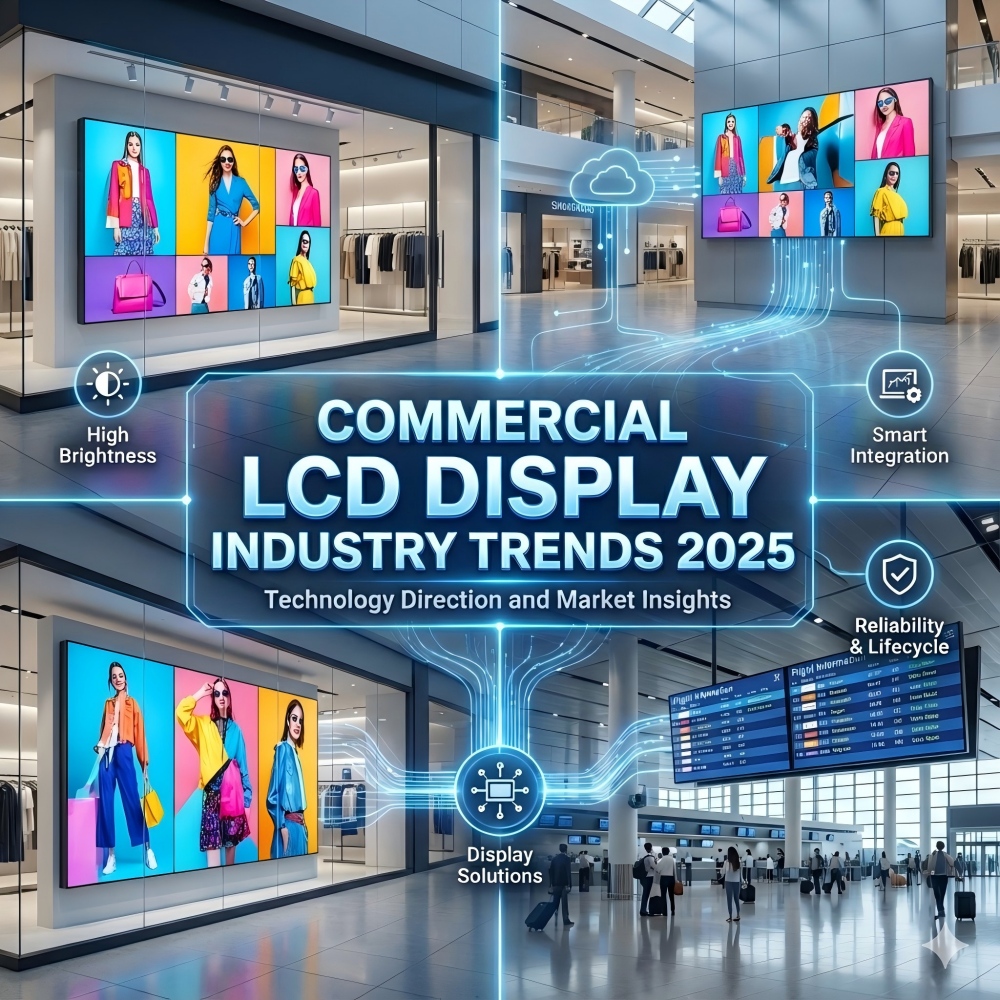 2025-12-29Commercial LCD Display Industry Trends and Market Insights for 2026
 2025-12-23Why Custom Commercial Displays Are Becoming Standard in Modern Systems
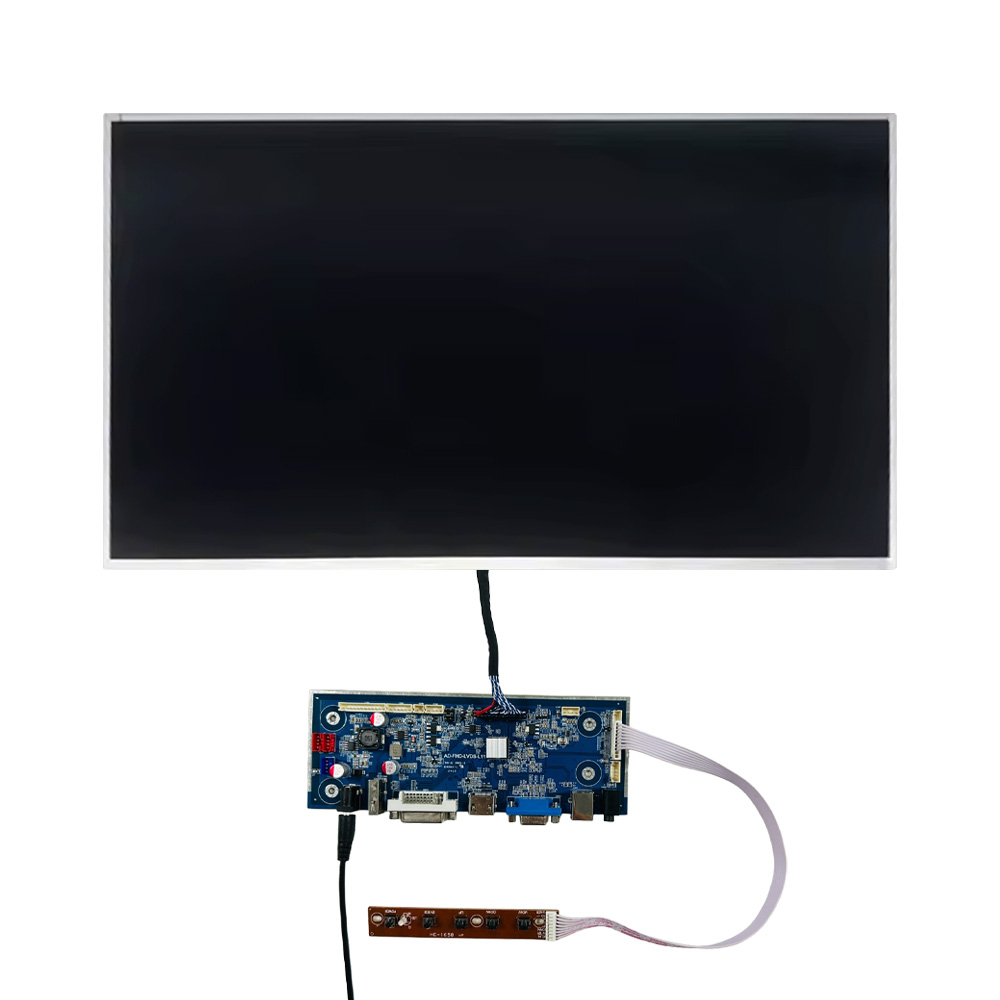 2025-12-17Advancing Outdoor Visual Systems with High-Brightness, Wide-Temperature LCD Technology
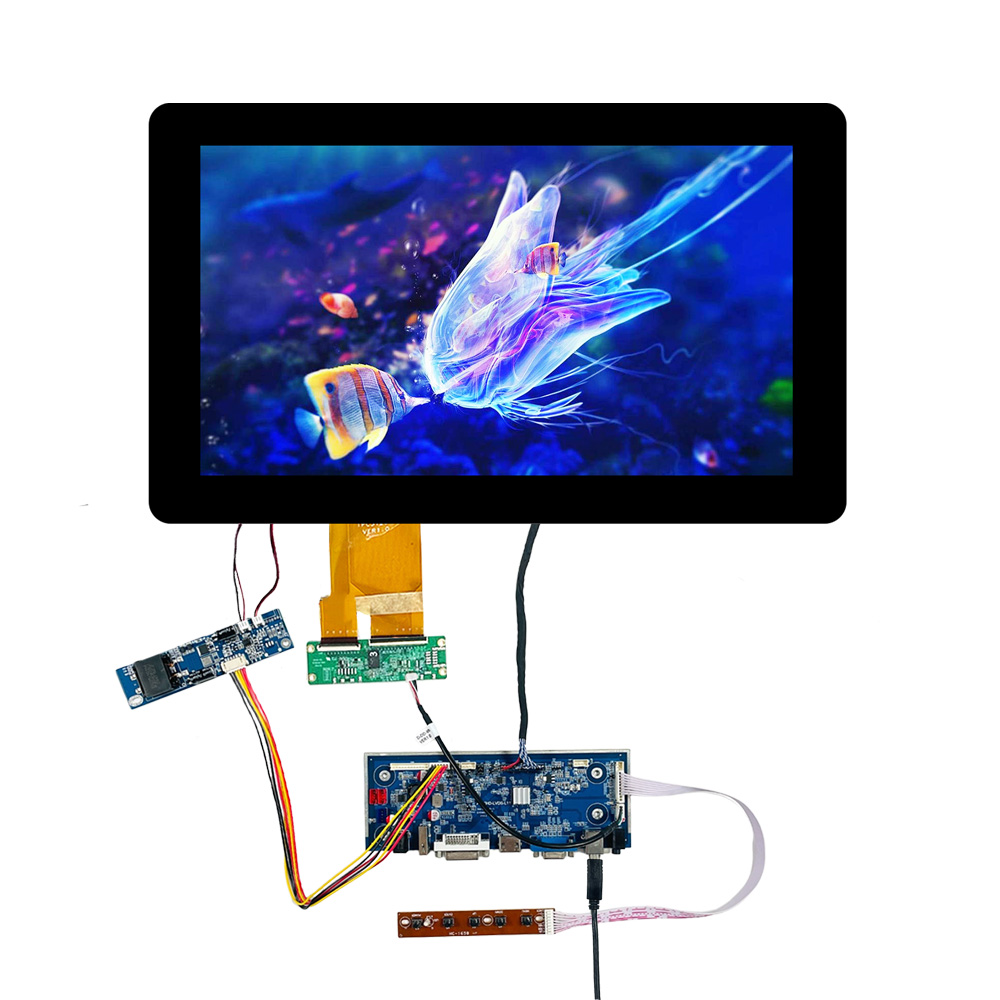 2025-12-10Outdoor Commercial LCD Modules for Wide Temperature High-Brightness Advertising Displays
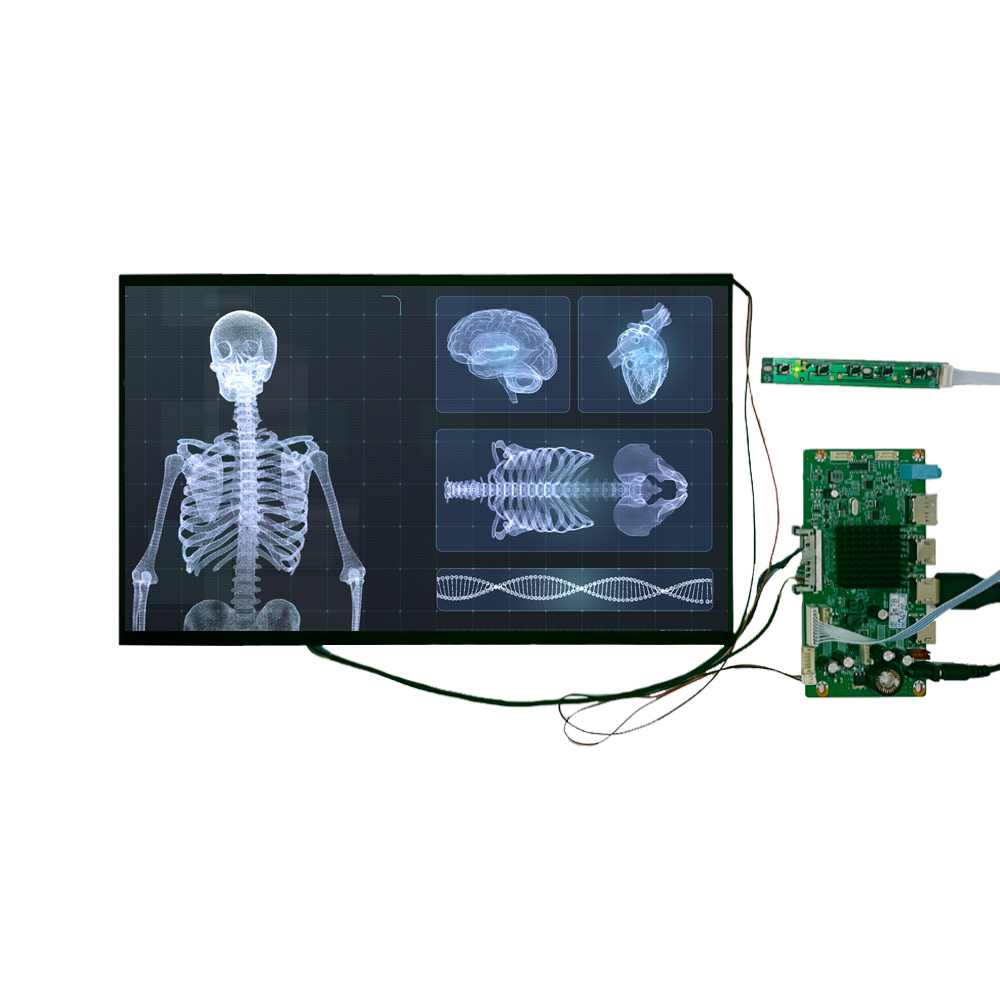 2025-12-0215,6-Zoll 4K Medical Display Module für hochpräzise diagnostische Bildgebung


Products
Commercial LCD Display
Gaming LCD Module
High Resolution Medical Display
Outdoor Display
E-ink LCD Display
Desk VR Monitor
OLED Display
Total Solutions
Service
Custom Touch Screen Solutions
Customized Frames & Protective Cover Glass
LCD Driver Board & Accessory Customization
Contact us
Contact Us
Copyright © 2025 Shenzhen Aptus Technology Co.,Ltd All Rights Reserved.

-
Inquire
- Top