Professional commercial display solution provider

- Home
-
Products
Professional commercial display solutions
-
About us
In good faith to customers
-
Service
Provide professional and meaningful advice
-
Knowledge Center
Innovation for development
- Contact us
What Are the Biggest Risks in Outdoor LCD Deployment?
What Are the Biggest Risks in Outdoor LCD Deployment?
The biggest risks in outdoor LCD deployment include poor visibility under direct sunlight, overheating, moisture intrusion, UV-related aging, extreme temperature instability, touchscreen failure, vibration damage, and long-term reliability degradation. If these challenges are not addressed during the design stage, outdoor displays can become unreadable, unstable, or fail completely after prolonged environmental exposure.
Unlike indoor displays, outdoor LCD systems must survive constant sunlight exposure, rain, dust, humidity, and large temperature fluctuations while maintaining stable performance for many years. This is why outdoor display engineering requires much more than simply increasing screen brightness. Manufacturers must carefully balance optical performance, thermal management, waterproof protection, and structural durability to ensure reliable long-term operation.
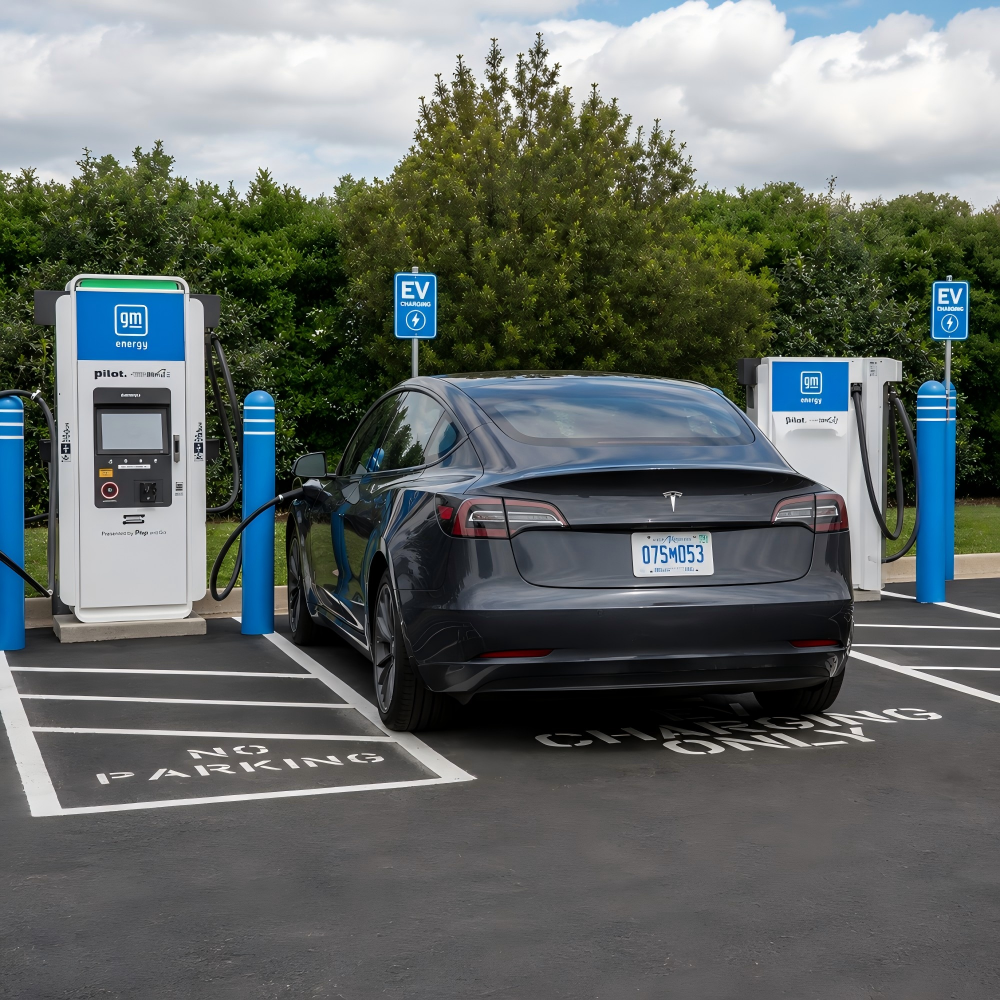
Today, outdoor displays are widely used in EV charging stations, transportation systems, industrial automation equipment,self-service kiosks, and digital signage. As these industries continue expanding, demand for reliable sunlight readable LCD solutions has grown rapidly because standard indoor displays cannot provide sufficient visibility or durability in outdoor environments.
1. Poor Visibility Under Direct Sunlight
The Risk
One of the most common failures in outdoor display deployment is poor readability under strong sunlight.
Many standard LCDs are designed for indoor environments with brightness levels between 250 and 500 nits. Outdoors, however, sunlight intensity can exceed 100,000 lux. Under these conditions, ordinary displays often appear washed out or reflective, making the screen difficult or impossible to read.
For applications such as charging stations, outdoor kiosks, industrial control systems, and transportation terminals, poor visibility can seriously affect usability and operational safety.
Why It Happens
Several optical factors reduce outdoor readability:
- Insufficient backlight brightness
- Reflection from the cover glass
- Internal light scattering caused by air gaps
- Low contrast under ambient light
- Poor viewing angle performance
Even if a display uses a brighter backlight, reflections inside the display stack can still reduce image clarity.
The Solution
To improve visibility in bright environments, manufacturers typically use technologies specifically developed for outdoor applications.
A professional sunlight readable LCD usually combines:
- High-brightness LED backlights
- Optical bonding
- Anti-reflective coatings
- Anti-glare surface treatment
- High-contrast IPS panels
Optical bonding is especially important because it removes the air gap between the LCD and the cover glass, significantly reducing internal reflections while improving optical contrast.
For harsher outdoor environments, many industrial systems now use an outdoor sunlight readable LCD structure capable of maintaining stable readability even under direct midday sunlight.
2. Overheating and Thermal Stress
The Risk
Heat is one of the most serious threats to outdoor LCD reliability.
Outdoor displays operate under direct solar radiation while also generating internal heat from LEDs, driver ICs, and embedded electronics. In sealed enclosures, internal temperatures can rise far above the surrounding ambient temperature.
For example:
- Ambient temperature: 40°C
- Internal enclosure temperature: 70°C or higher
Excessive heat can rapidly accelerate component aging and reduce display lifespan.
Problems Caused by Heat
Thermal stress can lead to:
- LCD blackening
- Color shift
- Reduced brightness
- Adhesive delamination
- LED degradation
- Shortened electronic component lifespan
High-brightness displays are particularly vulnerable because stronger backlights naturally generate more heat.
The Solution
Professional outdoor display systems use several thermal management strategies.
These may include:
- Aluminum heat dissipation structures
- Active cooling fans
- Heat pipes
- Intelligent temperature monitoring
- Automatic brightness adjustment
- Industrial thermal interface materials
Proper enclosure airflow is equally important because trapped heat often causes more damage than the external temperature itself.
In many industrial projects, thermal design is integrated directly into the outdoor sunlight readable LCD architecture to ensure stable brightness performance without excessive internal heat buildup.
3. Moisture Intrusion and Condensation
The Risk
Outdoor LCD systems are constantly exposed to:
- Rain
- Humidity
- Fog
- Snow
- Rapid environmental temperature changes
Even when water does not directly enter the enclosure, condensation can still form inside the display assembly.
Moisture-related failures are especially dangerous because they often develop gradually and remain unnoticed until permanent damage occurs.
Problems Caused by Moisture
Common issues include:
- Internal fogging
- PCB corrosion
- Connector oxidation
- Short circuits
- Mold contamination inside optical layers
In humid environments, small amounts of trapped moisture can slowly damage electronic circuits over time.
The Solution
Reliable outdoor displays use multiple layers of environmental protection.
Typical solutions include:
- IP65 or IP67 waterproof enclosures
- Waterproof cable connectors
- Conformal coating on PCBs
- Pressure-equalization ventilation membranes
- Industrial sealing gaskets
- Desiccant systems
Optical bonding also helps prevent condensation because eliminating internal air gaps reduces the space where moisture can accumulate.
For long-term outdoor deployment, moisture protection is just as important as brightness performance.
4. UV Exposure and Material Aging
The Risk
Continuous exposure to ultraviolet radiation gradually damages many display materials.
Unlike indoor displays, outdoor systems may remain under direct sunlight for years, especially in transportation, marine, and industrial applications.
Problems Caused by UV Radiation
Long-term UV exposure may cause:
- Polarizer yellowing
- Reduced optical contrast
- Adhesive discoloration
- Cracking of plastic components
- Reduced touchscreen performance
Over time, UV degradation can significantly affect both display appearance and structural reliability.
The Solution
Outdoor display manufacturers use UV-resistant materials specifically designed for long operational lifespans.
These typically include:
- UV-blocking cover glass
- Outdoor-grade polarizers
- UV-resistant adhesives
- Durable anti-UV coatings
- Industrial touch materials
Careful material selection is critical because even small material weaknesses become amplified after years of sunlight exposure.
5. Extreme Temperature Operation
The Risk
Outdoor equipment often operates in environments with severe temperature fluctuations.
Applications such as transportation systems, industrial automation equipment, agricultural machinery, and marine electronics may experience:
- Freezing winter temperatures
- Desert heat
- Rapid thermal cycling
Standard consumer LCD panels are not designed for these conditions.
Problems at Low Temperatures
Cold environments may cause:
- Slow response time
- Ghosting effects
- Delayed startup
- Reduced touch responsiveness
Problems at High Temperatures
High temperatures may lead to:
- Image instability
- Darkening effects
- Reduced contrast
- Permanent optical damage
The Solution
To improve environmental stability, many industrial systems use wide temperature LCD technology specifically developed for harsh operating conditions.
Compared with standard commercial displays, a wide temperature LCD uses specialized liquid crystal materials and industrial-grade electronics capable of maintaining stable performance across much broader temperature ranges.
Industrial outdoor displays commonly support:
- -30°C to 85°C
- -40°C to 90°C in specialized applications
Additional protection methods may include:
- Integrated heaters
- Thermal compensation systems
- Industrial driver ICs
- Temperature monitoring sensors
For outdoor equipment expected to operate year-round, wide temperature LCD technology is essential for long-term reliability.
6. Mechanical Shock and Vibration
The Risk
Many outdoor systems are installed in environments with constant vibration or physical impact.
This includes:
- Construction machinery
- Agricultural vehicles
- Mining equipment
- Transportation systems
- Marine electronics
Continuous vibration places significant stress on display structures and internal components.
Common Mechanical Failures
Mechanical stress can cause:
- Cracked LCD glass
- Loose connectors
- Touch panel separation
- Backlight damage
- Frame deformation
The Solution
Ruggedized display engineering helps improve durability in demanding environments.
Common solutions include:
- Reinforced metal frames
- Shock-resistant mounting systems
- Silicone cushioning materials
- Industrial connectors
- Metal backplates
Mechanical reliability testing is especially important before large-scale field deployment.
7. High Power Consumption
The Risk
Outdoor displays require significantly more power than indoor LCD systems because higher brightness levels consume more energy.
A standard indoor display may consume:
- 5–15 watts
A high-brightness sunlight readable LCD may require:
- 30–100+ watts depending on size
Problems Caused by High Power Consumption
Higher power usage creates several challenges:
- Increased heat generation
- Reduced battery runtime
- Higher operating costs
- Greater thermal stress
The Solution
Modern outdoor displays improve efficiency through:
- Ambient light sensors
- Automatic brightness adjustment
- Efficient LED backlights
- Smart power management systems
- Dynamic dimming technologies
Balancing brightness and energy efficiency is one of the key challenges in outdoor display engineering.
8. Outdoor Touchscreen Instability
The Risk
Touchscreens used outdoors face much harsher conditions than indoor touch systems.
Rainwater, gloves, dirt, electrical noise, and ice can all affect touch performance.
Common Outdoor Touch Problems
Typical issues include:
- False touches caused by water
- Reduced sensitivity with gloves
- EMI interference
- Surface contamination
The Solution
Industrial outdoor touch systems often use:
- Industrial-grade PCAP touch technology
- Water rejection algorithms
- Glove touch support
- EMI shielding
- Thick protective cover glass
Touchscreen optimization is especially important for industrial and public-use equipment.
9. Poor Enclosure Design
The Risk
Even a high-quality display can fail if the enclosure is poorly designed.
The enclosure directly affects:
- Heat dissipation
- Waterproof reliability
- Mechanical protection
- Sunlight readability
- Maintenance accessibility
Common Enclosure Problems
Typical design mistakes include:
- Poor ventilation
- Weak waterproof sealing
- Excessive sunlight reflection
- Structural stress caused by thermal expansion
The Solution
Professional outdoor enclosures usually include:
- IP-rated protection
- UV-resistant materials
- Pressure-equalization vents
- Heat dissipation structures
- Ruggedized metal housings
A reliable outdoor display depends on the entire system design rather than the LCD panel alone.
10. Long-Term Reliability Degradation
The Risk
Many outdoor display systems work well initially but fail after years of environmental exposure.
Long-term degradation is often the most expensive problem in outdoor deployment.
Common Long-Term Reliability Problems
These include:
- LED brightness decay
- Seal aging
- Adhesive degradation
- Corrosion buildup
- Component obsolescence
The Solution
Industrial outdoor displays are designed with long lifecycle operation in mind.
Manufacturers improve reliability through:
- Industrial-grade components
- Stable supply chains
- Modular maintenance-friendly structures
- Long-term thermal and humidity testing
In industrial applications, total lifecycle reliability is often more important than the initial hardware cost.
Final Thoughts
Outdoor LCD deployment involves far more challenges than simply increasing screen brightness. Reliable systems must withstand sunlight exposure, heat, humidity, vibration, UV radiation, and extreme temperatures while maintaining stable performance over many years.
To address these challenges, manufacturers increasingly combine high-brightness optical systems, ruggedized structures, thermal management, and environmental protection technologies into fully integrated outdoor display solutions.
As industries continue demanding better visibility and durability in harsh environments, technologies such as sunlight readable LCD systems, advanced outdoor sunlight readable LCD designs, and industrial wide temperature LCD solutions will continue playing a critical role in next-generation outdoor equipment.
For more information about professional outdoor display systems, visit:
outdoor sunlight readable LCD
Recommended reading
 2026-06-30What is High Haze Anti-Glare Glass for Advertising Displays?
 2026-06-30Optimizing Display Legibility for Outdoor EV Charging Infrastructure: A Technical Guide to Sunlight-Readable LCD Design
 2026-06-29How Curved LCD Displays Ensure 24/7 Reliability in High-Traffic Gaming Environments
 2026-06-23How Many Nits of Brightness Are Required for an EV Charging Station Display to Be Sunlight-Readable?
 2026-06-23What Touch Technology Is Best for EV Charging Station LCD Displays?

Products
Commercial LCD Display
Gaming LCD Module
Outdoor Display
MINI-LED LCD Display
High Resolution Medical Display
OLED Display
Total Solutions
E-ink LCD Display
Desk VR Monitor
Service
Custom Touch Screen Solutions
Customized Frames & Protective Cover Glass
LCD Driver Board & Accessory Customization
Contact us
Contact Us
Copyright © 2025 Shenzhen Aptus Technology Co.,Ltd All Rights Reserved.

-
Inquire
- Top