How Curved LCD Displays Ensure 24/7 Reliability in High-Traffic Gaming Environments
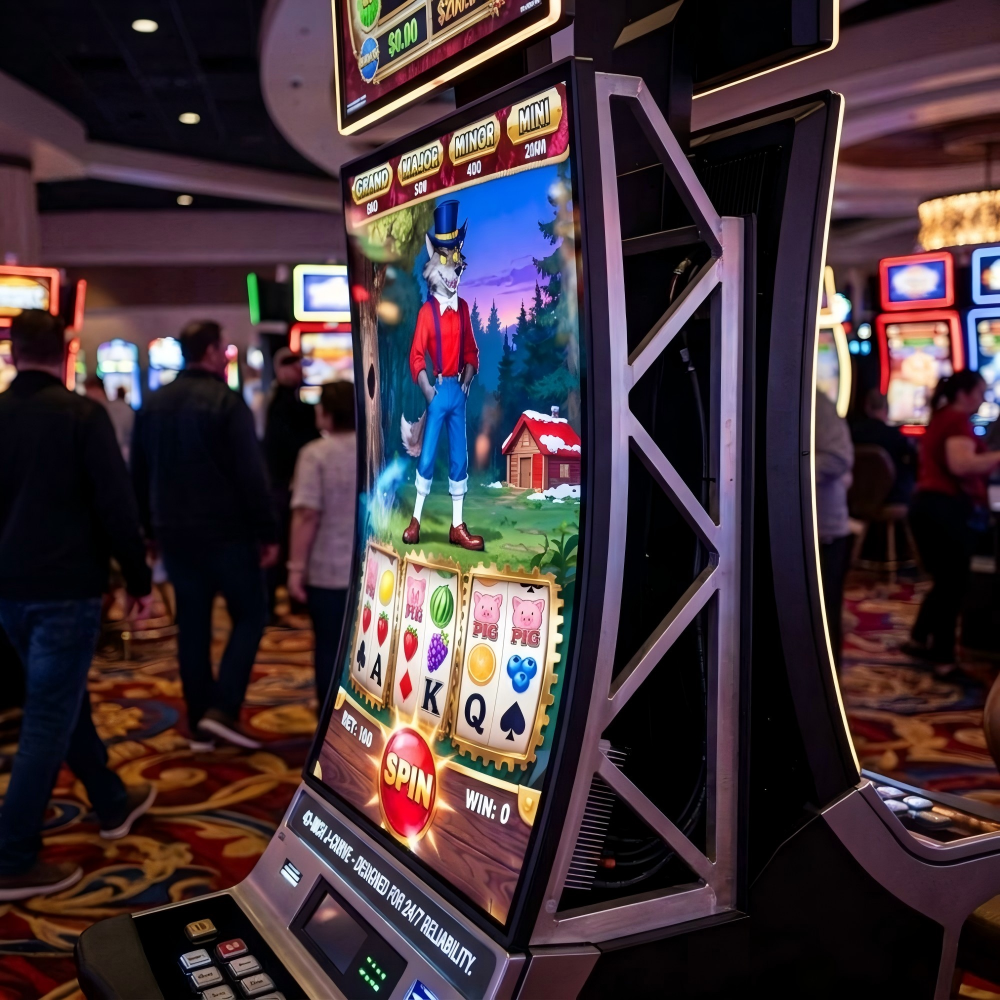
Curved LCD displays are widely used in modern high-traffic gaming environments such as esports arenas, interactive entertainment venues, simulation systems, and immersive digital experience centers. These environments demand displays that can operate continuously, often 24 hours a day, while maintaining stable performance, consistent brightness, and long-term durability.
Unlike standard consumer displays, curved LCD technology used in industrial applications is engineered specifically for continuous operation under heavy workloads. Ensuring 24/7 reliability requires optimization across panel design, thermal management, structural engineering, optical performance, and power stability.
Continuous Operation Requirements in Gaming Environments
High-traffic gaming environments place unique demands on display systems. Screens are expected to run continuously without interruption while delivering real-time visuals and interactive content. At the same time, they must maintain stable brightness and color accuracy under varying lighting conditions.
Because these systems often operate for long hours every day, reliability becomes a core requirement. Any display instability can directly impact user experience and system performance.
Curved LCD displays designed for industrial use are built to meet these expectations by combining robust hardware design with long-life components.
Industrial-Grade Panel Design for Long-Term Stability
At the core of reliability is the LCD panel itself. Industrial curved LCD displays use TFT panels engineered for extended operational lifespans and stable optical performance under continuous use.
These panels are manufactured under strict quality control processes to minimize defects such as uneven brightness, pixel inconsistencies, or early degradation. The liquid crystal materials are optimized for long-term molecular stability, ensuring that image quality remains consistent even after tens of thousands of operating hours.
This long-life design is essential in environments where displays are rarely powered off.
Curved Structure Engineering and Mechanical Stability
Curved LCD displays introduce additional mechanical challenges compared to flat panels. The bending structure requires precise engineering to prevent stress concentration and long-term deformation.
Industrial curved displays use reinforced metal or alloy frames to provide structural rigidity. The curvature is carefully calculated to ensure uniform stress distribution across the panel surface. Flexible bonding materials help maintain structural integrity while allowing the display to retain its curved shape without damaging internal layers.
This mechanical stability ensures that the display can withstand continuous operation and environmental vibration without performance degradation.
Thermal Management for Continuous Operation
Heat is one of the most critical factors affecting long-term display reliability. Continuous operation generates internal heat that can degrade liquid crystal performance and shorten backlight lifespan.
To address this, curved LCD displays incorporate advanced thermal management systems such as heat-dissipating metal backplates, optimized internal conduction paths, and low-resistance LED structures. These elements work together to distribute heat efficiently and maintain stable operating temperatures.
By controlling thermal buildup, the display maintains consistent performance even under long-term continuous operation.
Long-Life LED Backlight Technology
The backlight system plays a crucial role in ensuring display reliability. Industrial curved LCD displays use high-efficiency LED backlights designed for extended lifespan and stable brightness output.
Constant-current driving circuits ensure uniform power delivery, reducing flicker and preventing uneven brightness distribution. Heat-resistant materials further improve stability during long operating cycles.
This ensures that brightness remains consistent over time, even in high-demand usage scenarios.
Optical Bonding for Strength and Clarity
Optical bonding is widely used in industrial curved LCD displays to improve durability and visual performance. By eliminating the air gap between the LCD panel and protective glass, optical bonding enhances structural strength and reduces internal reflection.
This process improves contrast, increases readability in bright environments, and provides additional protection against dust, moisture, and vibration. It also strengthens the overall display structure, making it more resistant to external impact.
In high-traffic environments, optical bonding significantly improves both reliability and image quality.
Electrical Stability and EMI Protection
Gaming environments often contain multiple electronic systems operating simultaneously, which can introduce electromagnetic interference. Curved LCD displays designed for industrial use incorporate shielding techniques and optimized circuit layouts to maintain signal stability.
Power regulation systems protect against voltage fluctuations and ensure consistent operation. Signal transmission paths are designed to minimize distortion and maintain image integrity even in electrically complex environments.
These protections are essential for maintaining uninterrupted display performance.
Image Stability and Burn-In Prevention
In gaming applications, static interface elements may remain on-screen for extended periods, increasing the risk of image retention. Curved LCD displays use multiple techniques to reduce this risk and maintain long-term image stability.
These include pixel-shifting functions, dynamic brightness adjustment, and optimized refresh control systems. Additionally, low-retention liquid crystal materials help reduce the likelihood of ghosting effects.
These technologies ensure that image quality remains consistent during continuous operation.
Color Consistency and Long-Term Calibration
Maintaining accurate color performance is essential in immersive gaming environments. Industrial curved LCD displays are factory-calibrated to ensure uniform brightness and color accuracy across the entire screen surface.
Over time, built-in compensation mechanisms help reduce color drift caused by component aging. This ensures that visual output remains stable and consistent throughout the product lifecycle.
Mechanical Protection for High-Traffic Use
High-traffic gaming environments often involve frequent user interaction and physical contact with display surfaces. Curved LCD displays designed for these environments include reinforced mechanical protection systems.
Hardened cover glass, anti-scratch coatings, and shock-resistant mounting structures help protect the display from accidental impact and surface wear. These features ensure long-term durability and stable visual performance even under heavy use conditions.
Power Management and Operational Efficiency
Stable power delivery is essential for continuous operation. Industrial curved LCD displays support wide voltage input ranges and incorporate efficient power management systems.
These systems reduce energy consumption, minimize heat generation, and enhance overall system stability. Surge protection mechanisms further safeguard the display from electrical instability, ensuring uninterrupted operation.
Integration with Gaming Display Systems
Modern gaming systems require seamless integration between display hardware and control platforms. Curved LCD modules support high-speed interface standards and flexible configuration options for compatibility with different system architectures.
For example, advanced solutions such as the gaming LCD module are designed specifically to deliver stable performance, high visual quality, and long-term operational reliability in immersive entertainment applications.
Why 24/7 Reliability Matters
In high-traffic gaming environments, display reliability directly affects system performance and user experience. Unstable displays can lead to interruptions, reduced engagement, and increased maintenance requirements.
Curved LCD displays designed for industrial use provide consistent uptime, predictable performance, and extended service life. This makes them a critical component in ensuring smooth and uninterrupted operation of modern gaming systems.
Conclusion
Curved LCD displays achieve 24/7 reliability in high-traffic gaming environments through a combination of advanced engineering technologies, including thermal management, structural reinforcement, optical bonding, stable backlight systems, and electrical protection.
These technologies work together to ensure stable performance under continuous use, even in demanding environments. As gaming systems continue to evolve toward more immersive and interactive experiences, the need for reliable curved LCD display solutions will continue to grow, making industrial-grade LCD technology an essential foundation for modern applications.

 2026-06-30What is High Haze Anti-Glare Glass for Advertising Displays?
 2026-06-30Optimizing Display Legibility for Outdoor EV Charging Infrastructure: A Technical Guide to Sunlight-Readable LCD Design
 2026-06-29How Curved LCD Displays Ensure 24/7 Reliability in High-Traffic Gaming Environments
 2026-06-23How Many Nits of Brightness Are Required for an EV Charging Station Display to Be Sunlight-Readable?
 2026-06-23What Touch Technology Is Best for EV Charging Station LCD Displays?