Professional commercial display solution provider

- Home
-
Products
Professional commercial display solutions
-
About us
In good faith to customers
-
Service
Provide professional and meaningful advice
-
Knowledge Center
Innovation for development
- Contact us
Can Outdoor Digital Signage Displays Operate in Freezing Temperatures?
Can Outdoor Digital Signage Displays Operate in Freezing Temperatures?
Yes, outdoor digital signage displays can operate in freezing temperatures when they are specifically designed for harsh outdoor environments. Unlike indoor commercial displays, outdoor digital signage systems are engineered with temperature-resistant LCD panels, advanced thermal management, weatherproof enclosures, and heating technologies to ensure stable performance in cold climates.
For applications such as outdoor advertising kiosks, EV charging stations, transportation information terminals, smart retail displays, and public information systems, reliable operation under freezing conditions is essential. Displays installed outdoors must withstand snow, ice, frost, humidity, and rapid temperature changes while maintaining image quality and system stability.
A professional outdoor display solution is designed to overcome these environmental challenges by combining high-brightness display technology, protective structures, and intelligent temperature control systems.
How Freezing Temperatures Affect Outdoor Digital Signage Displays
Outdoor digital signage systems face several challenges when exposed to low temperatures. Standard commercial displays are usually designed for indoor environments where temperature and humidity remain relatively stable. When used outdoors during winter, they may experience slower performance, reduced reliability, or even complete failure.
The LCD panel is one of the most temperature-sensitive components. Liquid crystal materials inside the panel rely on molecular movement to control light transmission and create images. When temperatures drop, the viscosity of liquid crystal molecules increases, which can slow down pixel response.
This may result in slower image transitions, motion blur, delayed screen response, or temporary image retention. Outdoor-rated LCD panels use specially developed liquid crystal materials and wider operating temperature designs to maintain stable image performance in colder environments.
Electronic components inside the display system can also be affected by freezing temperatures. Display driver boards, power supplies, media players, touch controllers, and communication modules all require suitable temperature protection.
Extreme cold may reduce electrical efficiency, increase component stress, and create startup problems after long periods without operation. Outdoor displays designed for winter environments typically use industrial-grade components and optimized circuit protection to improve reliability.
Another major concern is condensation. When warm internal air meets cold external temperatures, moisture can accumulate inside the enclosure. Over time, this can cause corrosion, electrical failures, fogging on the front glass, and damage to sensitive electronics.
For this reason, outdoor digital signage requires sealed enclosure designs, moisture protection, and effective condensation control to maintain long-term reliability.
How Outdoor Digital Signage Displays Work in Freezing Temperatures
Outdoor digital signage systems designed for cold climates use multiple technologies to maintain stable operation.
A key component is the wide-temperature LCD panel. Unlike standard LCD modules, outdoor-grade panels are optimized for extended temperature ranges and are capable of maintaining acceptable brightness, contrast, and response speed in cold conditions.
These displays typically include:
- Temperature-resistant liquid crystal materials
- High-efficiency LED backlight systems
- Optimized panel structures
- Industrial-grade electronic components
Depending on the design, outdoor displays can support operating temperatures from approximately -20°C to -30°C, while specialized solutions with additional heating systems can support even colder environments.
Heating technology is another important feature for freezing-temperature applications. Many outdoor digital signage displays include integrated heaters that automatically activate when the internal temperature drops below a certain level.
The heating system helps maintain the operating temperature of critical components, ensuring reliable startup and continuous operation. Heated front glass solutions are also commonly used in extremely cold areas to prevent frost, ice accumulation, and visibility problems caused by snow or condensation.
In addition to heating, intelligent thermal management plays a crucial role. A well-designed outdoor display must balance heating and cooling because internal electronics generate heat during continuous operation.
Advanced thermal management systems may include:
- Temperature sensors
- Automatic heating control
- Cooling fans
- Heat dissipation channels
- Thermal insulation materials
- Smart power management systems
This allows the display to adapt to changing weather conditions and maintain stable performance throughout the year.
What Temperature Range Should Outdoor Digital Signage Support?
The required operating temperature range depends on the installation environment and local climate conditions.
For outdoor applications in mild climates, displays may need to operate between approximately -10°C and 50°C. In colder regions, displays should typically support at least -20°C operation. For extreme winter environments, additional heating systems may be required to achieve reliable performance below -30°C.
When selecting an outdoor digital signage display, it is important to check the operating temperature specification rather than only the storage temperature.
A display may be able to survive cold storage conditions but fail to start or operate correctly when powered on in freezing temperatures.
Important Features for Outdoor Displays Used in Cold Environments
A reliable freezing-temperature outdoor display requires more than a standard LCD panel. The entire system design must be optimized for environmental durability.
High brightness performance is essential because outdoor winter environments often create strong reflections from snow, ice, and sunlight. A high-brightness LCD panel improves readability and ensures that advertisements, instructions, and information remain visible.
Outdoor displays commonly integrate:
- High brightness LCD panels
- Anti-reflective glass
- Optical bonding technology
- Automatic brightness adjustment
Weatherproof protection is equally important. The enclosure must prevent water, snow, dust, and moisture from entering the system.
A durable outdoor enclosure typically includes:
- Sealed housing design
- Water-resistant cable connections
- Corrosion-resistant materials
- Protective front glass
Reliable power management is also necessary because heating systems may increase energy consumption during winter operation. A suitable outdoor display should include stable power supplies, surge protection, and efficient energy control.
Applications That Require Freezing-Temperature Outdoor Displays
Outdoor digital signage with cold-weather capability is widely used in environments where continuous operation is required.
Outdoor advertising kiosks installed near shopping centers, transportation areas, and public spaces must remain visible and functional during winter weather. Advertising networks cannot afford frequent downtime caused by freezing temperatures.
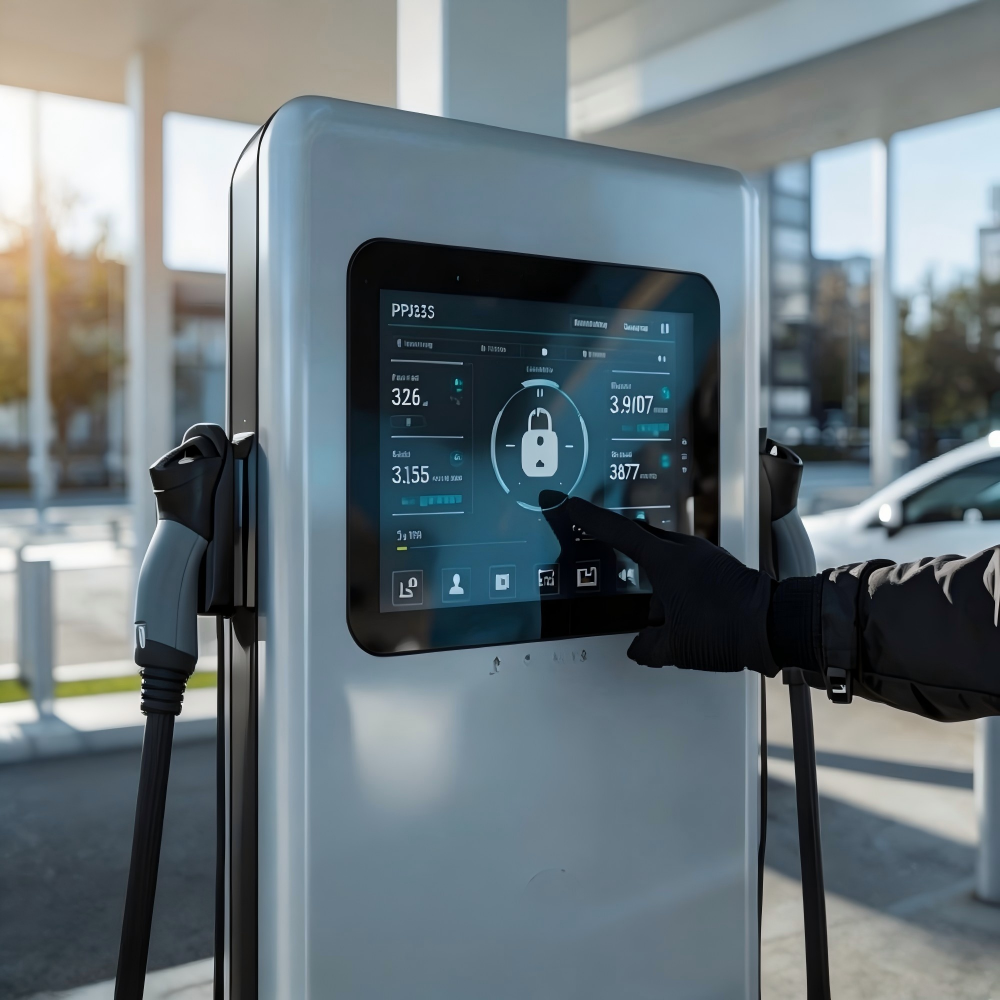
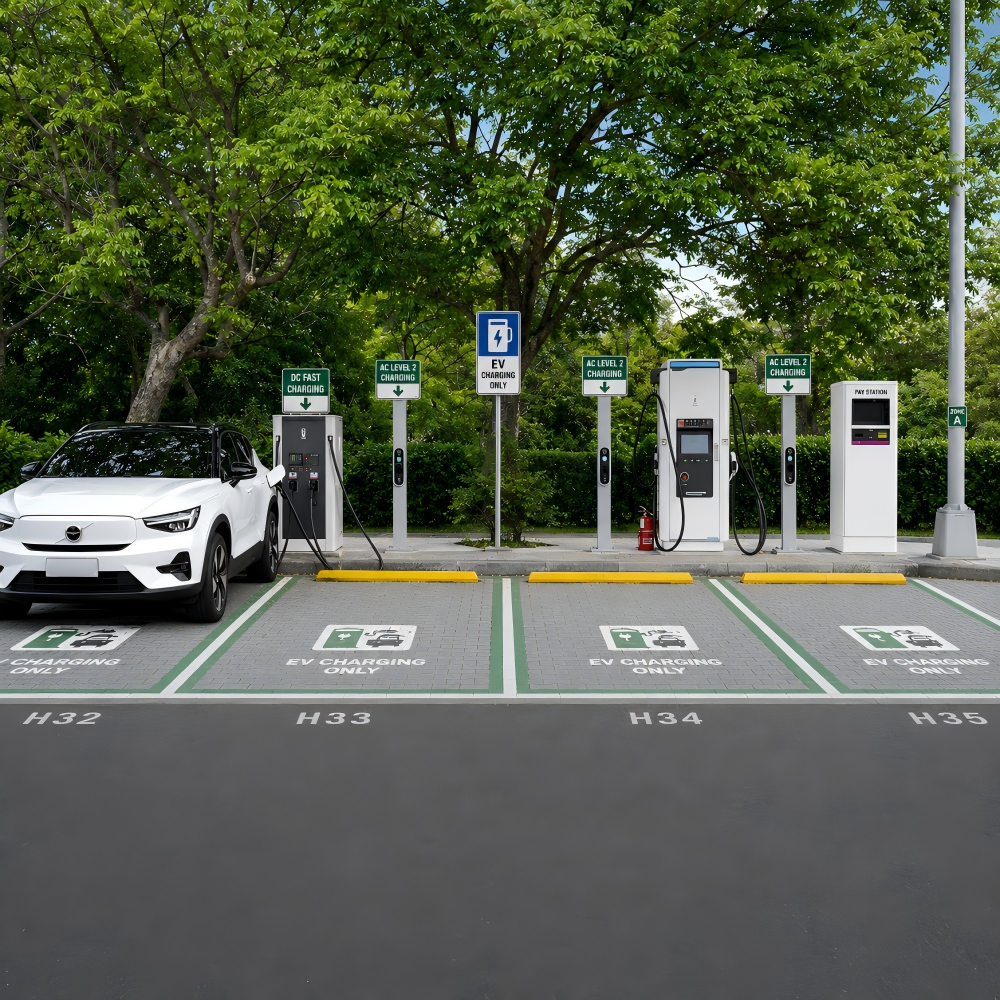
EV charging stations are another important application. Since charging infrastructure is usually installed outdoors, the display must provide clear information about charging status, payment instructions, and user interaction even during snow and freezing conditions.
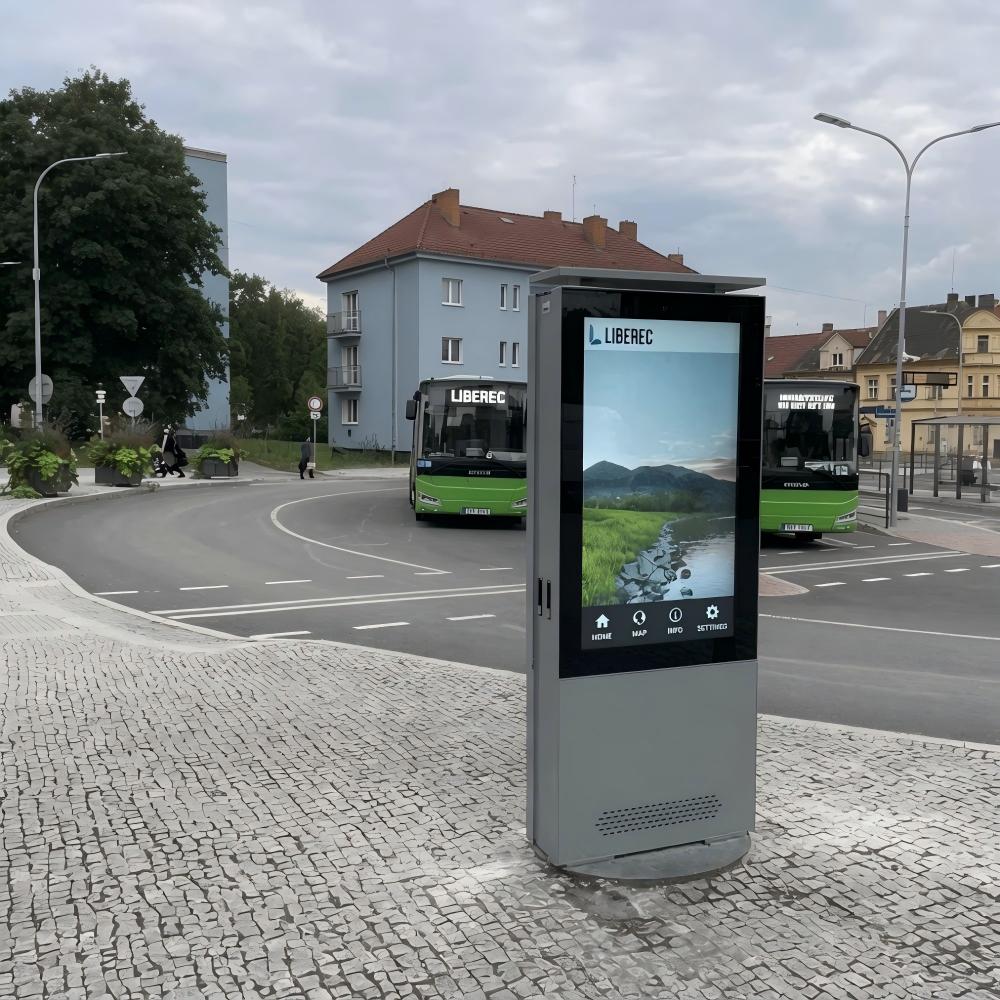
Transportation systems also depend on reliable outdoor displays. Bus stations, railway platforms, and airports use digital signage to provide schedules, announcements, and navigation information. A display failure caused by cold weather can affect communication with passengers.
Smart retail terminals and outdoor self-service kiosks also require temperature-resistant displays. These systems must maintain touch responsiveness and visibility while operating in changing weather conditions.
How to Select the Right Outdoor Digital Signage Display for Cold Weather
Choosing the correct outdoor display requires evaluating the actual installation environment.
Climate conditions should be considered first. Factors such as minimum winter temperature, humidity levels, snowfall frequency, and exposure to wind should determine the required display specifications.
The display operating temperature rating should always match the actual application environment. Engineers and purchasing teams should confirm:
- Minimum operating temperature
- Maximum operating temperature
- Cold startup capability
- Heating system specifications
Thermal management capability should also be evaluated. A professional supplier should be able to provide information about internal heating solutions, temperature monitoring systems, condensation prevention methods, and long-term reliability testing.
Conclusion
Outdoor digital signage displays can operate effectively in freezing temperatures when they are designed specifically for harsh outdoor environments. The ability to withstand cold weather depends on a combination of wide-temperature LCD technology, intelligent thermal management, heating systems, weatherproof protection, and reliable electronic components.
For businesses deploying digital signage in cold regions, selecting a purpose-built outdoor display solution helps ensure continuous operation, stable image quality, and longer service life.
Whether used for outdoor advertising, EV charging stations, transportation information systems, or smart retail applications, a properly engineered outdoor digital signage display can deliver reliable performance even in challenging winter conditions.
Recommended reading
 2026-06-30What is High Haze Anti-Glare Glass for Advertising Displays?
 2026-06-30Optimizing Display Legibility for Outdoor EV Charging Infrastructure: A Technical Guide to Sunlight-Readable LCD Design
 2026-06-29How Curved LCD Displays Ensure 24/7 Reliability in High-Traffic Gaming Environments
 2026-06-23How Many Nits of Brightness Are Required for an EV Charging Station Display to Be Sunlight-Readable?
 2026-06-23What Touch Technology Is Best for EV Charging Station LCD Displays?


Products
Commercial LCD Display
Gaming LCD Module
Outdoor Display
MINI-LED LCD Display
High Resolution Medical Display
OLED Display
Total Solutions
E-ink LCD Display
Desk VR Monitor
Service
Custom Touch Screen Solutions
Customized Frames & Protective Cover Glass
LCD Driver Board & Accessory Customization
Contact us
Contact Us
Copyright © 2025 Shenzhen Aptus Technology Co.,Ltd All Rights Reserved.

-
Inquire
- Top