Professional commercial display solution provider

- Home
-
Products
Professional commercial display solutions
-
About us
In good faith to customers
-
Service
Provide professional and meaningful advice
-
Knowledge Center
Innovation for development
- Contact us
How Can Commercial Displays Address the Risk of Image Burn-In in Scenarios with Continuous Advertising Playback?
How Can Commercial Displays Address the Risk of Image Burn-In in Scenarios with Continuous Advertising Playback?
Continuous advertising playback places unique demands on commercial displays. Unlike consumer televisions, which typically show constantly changing video content, commercial displays in retail stores, shopping malls, transportation hubs, restaurants, and corporate environments often present the same logos, navigation bars, pricing information, or promotional graphics for many hours each day. While modern TFT LCD technology is significantly more resistant to permanent burn-in than OLED or plasma displays, long-term exposure to static content can still lead to temporary image retention and, in extreme cases, permanent image degradation if the display is not properly designed and managed.
The most effective way to reduce this risk is to combine commercial-grade display hardware with intelligent content management. Features such as pixel shifting, dynamic content scheduling, brightness optimization, effective thermal management, and high-quality LCD modules work together to distribute pixel wear more evenly and extend the display's service life. Businesses planning long-term digital signage deployments should also choose professional TFT LCD modules that are engineered specifically for continuous operation rather than relying on consumer-grade displays.
Why Continuous Advertising Increases the Risk of Image Retention
Commercial displays are expected to operate much longer than consumer televisions. Many digital signage installations run between 16 and 24 hours every day, with some applications operating continuously throughout the year.
Common applications include:
- Retail digital signage
- Shopping mall advertising displays
- Airport and railway information displays
- Fast-food digital menu boards
- Outdoor advertising kiosks
- EV charging station displays
- Self-service kiosks
- Hotel and corporate lobby displays
Unlike television broadcasts or streaming media, these applications often display the same visual elements repeatedly. Company logos remain fixed in one corner, QR codes stay in the same position, and promotional banners or navigation bars rarely change throughout the day.
Over time, these static elements place greater stress on specific pixel areas than the surrounding portions of the screen. Although LCD technology does not suffer from burn-in in the same way as emissive display technologies, prolonged static images can still produce image retention, sometimes referred to as image sticking or ghosting. If ignored for extended periods under harsh operating conditions, temporary image retention may gradually become more difficult to eliminate.
Understanding the Difference Between Image Retention and Burn-In
Many people use the terms image retention and burn-in interchangeably, but they describe different conditions.
Image retention is generally temporary. After displaying static content for an extended period, a faint ghost image may remain visible when new content appears. In many cases, normal playback or displaying full-screen moving content allows the retained image to disappear over time.
Permanent burn-in, on the other hand, results from irreversible pixel aging. It is far more common in OLED and plasma displays because individual pixels generate their own light and gradually wear at different rates. Modern TFT LCD displays rely on a separate LED backlight rather than self-emissive pixels, making permanent burn-in considerably less common. Nevertheless, continuous operation under high brightness and elevated temperatures can still accelerate uneven aging within the display system.
For commercial buyers, the primary objective is not simply preventing permanent burn-in, but minimizing image retention before it develops into a long-term reliability issue.
Common Causes of Image Retention in Commercial Advertising Displays
Several factors contribute to uneven pixel aging during continuous advertising playback.
One of the most common causes is the continuous display of corporate logos. Retail brands often position their logo in exactly the same location across every advertising campaign. Since those pixels receive the same visual information day after day, they experience more consistent electrical stress than surrounding areas.
QR codes present another challenge. Modern advertising campaigns increasingly rely on QR codes for customer interaction, but these high-contrast black-and-white graphics often remain fixed in one position for weeks or even months. Their sharp contrast makes any resulting image retention more noticeable.
Digital menu boards frequently contain permanent navigation bars, product categories, pricing columns, and promotional headers. These interface elements seldom change location, creating localized areas of increased pixel usage.
Brightness settings also play a significant role. Some businesses assume that operating displays at maximum brightness ensures better visibility, even in indoor environments where excessive luminance offers little benefit. Running a display at full brightness continuously increases internal temperatures, accelerates LED backlight aging, and places additional stress on optical components.
Environmental conditions further influence display longevity. Poor ventilation, enclosed cabinets, direct sunlight, and high ambient temperatures all increase internal heat buildup, reducing the long-term stability of the display.
Choose Commercial-Grade TFT LCD Modules Designed for Continuous Operation
The foundation of any reliable digital signage system begins with selecting the appropriate display hardware.
Commercial TFT LCD modules differ significantly from consumer television panels. They are engineered specifically for applications requiring long operating hours, stable brightness performance, and dependable reliability over many years.
Professional commercial displays are typically designed with higher-quality backlight systems, improved thermal structures, and more robust driver electronics. These design improvements help maintain image quality even after thousands of operating hours.
Compared with consumer displays, commercial TFT LCD modules generally offer several important advantages:
- Longer LED backlight lifetime
- Improved brightness consistency
- Better resistance to temperature fluctuations
- Enhanced reliability for continuous operation
- Greater compatibility with commercial control systems
For digital signage manufacturers, kiosk integrators, and advertising equipment suppliers, selecting a professional TFT LCD module provides a stronger foundation for minimizing image retention while improving the overall lifespan of the display system.
Dynamic Content Is More Important Than Many Businesses Realize
Hardware alone cannot completely eliminate the possibility of image retention. Even the highest-quality commercial display may experience uneven pixel aging if exactly the same image remains on screen every day.
Content design therefore plays an equally important role in display reliability.
Many advertising campaigns are created with a fixed layout that rarely changes. While this simplifies content management, it also concentrates pixel activity in the same locations throughout the life of the display.
A more effective strategy is to introduce controlled variation into the advertising schedule. Rather than displaying a single promotional image continuously, businesses can rotate multiple layouts that contain the same marketing message while placing logos, banners, and promotional graphics in slightly different positions.
Even small adjustments distribute pixel activity across a wider area of the screen, helping equalize long-term wear without affecting the customer experience.
Background graphics can also contribute to healthier display operation. Replacing completely static backgrounds with subtle gradients, slow-moving textures, or gentle animation allows more pixels to change over time, reducing localized stress while maintaining a professional appearance.
Pixel Shift Technology Helps Distribute Pixel Wear
One of the most widely used protection mechanisms in commercial displays is Pixel Shift technology.
Pixel Shift works by moving the displayed image a few pixels horizontally or vertically at scheduled intervals. The movement is extremely small and generally imperceptible to viewers, yet it prevents individual pixel groups from displaying identical content continuously.
Because the image position changes regularly, logos, text, and interface elements no longer occupy exactly the same pixels throughout the operating day. Instead, the workload is shared across neighboring pixels, reducing the possibility of localized image retention.
Many commercial display controller boards include configurable Pixel Shift functions specifically for digital signage applications that operate for extended periods. When combined with intelligent content scheduling, Pixel Shift becomes one of the most effective preventive measures available without affecting visual quality.
Optimize Brightness Based on the Installation Environment
Brightness is one of the most influential factors affecting both display performance and longevity. While it may seem logical to operate a commercial display at maximum brightness to improve visibility, doing so continuously can significantly increase heat generation and accelerate component aging.
Instead of using a fixed brightness level, commercial displays should be configured according to their installation environment.
Typical recommendations include:
- Indoor retail displays: 500–700 nits
- Bright storefront windows: 700–1,000 nits
- Semi-outdoor installations: 1,000–1,500 nits
- Outdoor digital signage and kiosks: 1,500–3,000+ nits
Many professional commercial displays also support automatic brightness adjustment using ambient light sensors. This feature allows the display to increase brightness during the day and reduce it at night or in lower-light conditions. Besides improving energy efficiency, adaptive brightness reduces thermal stress and helps extend the operational life of the LCD module.
Selecting the appropriate brightness for the environment rather than simply choosing the highest available specification results in a more reliable and cost-effective display solution.
Thermal Management Plays a Critical Role in Display Reliability
Temperature has a direct impact on the long-term stability of commercial displays.
Continuous operation naturally generates heat from the LED backlight, driver ICs, power supply, and controller board. If this heat cannot be dissipated efficiently, internal temperatures rise and accelerate the aging of multiple display components.
Excessive heat may contribute to:
- Faster LED backlight degradation
- Reduced brightness uniformity
- Optical film aging
- Adhesive deterioration
- Reduced LCD panel stability
- Increased risk of image retention
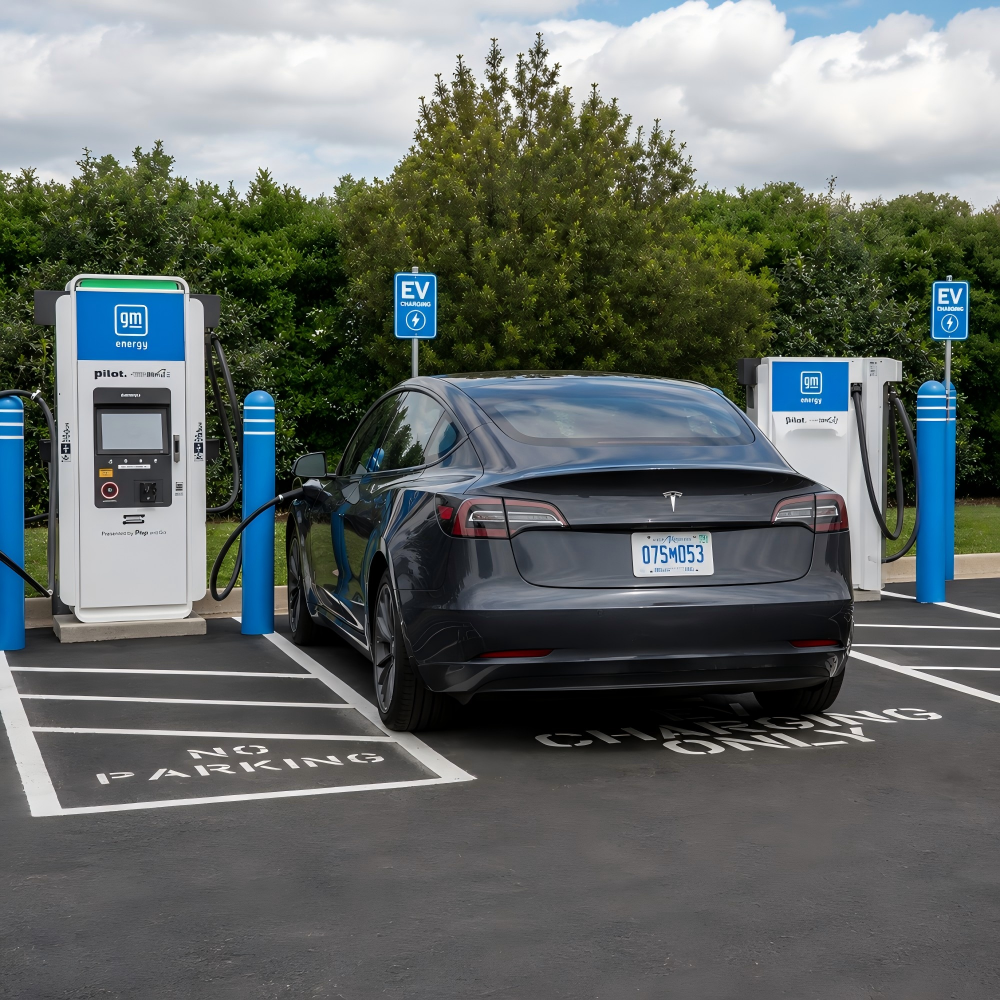
This is particularly important for outdoor digital signage, EV charging stations, and enclosed advertising kiosks where airflow may be limited.
A well-designed commercial display should incorporate effective thermal management features such as:
- Aluminum heat-dissipation structures
- Optimized ventilation paths
- High-efficiency LED backlight systems
- Industrial-grade power supplies
- Temperature monitoring when required
Choosing a high-quality TFT LCD module with reliable thermal performance provides a strong foundation for long-term continuous operation, especially in demanding commercial environments.
Reduce Static Interface Elements Whenever Possible
Many advertising systems unintentionally increase the risk of image retention by displaying permanent interface elements.
Common examples include:
- Corporate logos
- QR codes
- Navigation menus
- Category labels
- Promotional borders
- Digital clocks
- Fixed icons
Although each individual element occupies only a small portion of the display, keeping these graphics in exactly the same position for months creates uneven pixel usage.
Whenever possible, designers should introduce small changes that redistribute visual content across the screen.
Practical techniques include:
- Rotating logo positions between multiple layouts
- Alternating QR code placement
- Refreshing menu layouts periodically
- Changing banner locations
- Using animated transitions between advertisements
These adjustments are often invisible to viewers but significantly reduce localized stress on the LCD panel over time.
Schedule Standby or Screen-Off Periods During Non-Business Hours
Not every commercial display needs to operate around the clock.
Retail stores, restaurants, shopping malls, and corporate offices often close overnight. Continuing to display advertisements during these hours unnecessarily increases cumulative operating time without providing any business value.
Scheduling automatic standby or screen-off periods offers several benefits:
- Reduces total panel operating hours
- Lowers internal operating temperatures
- Decreases power consumption
- Extends LED backlight life
- Reduces long-term maintenance costs
Many commercial display controllers support programmable operating schedules, allowing businesses to automatically power displays on before opening hours and enter standby after closing.
For organizations operating hundreds or thousands of digital signage displays, this simple strategy can significantly improve return on investment while helping minimize image retention.
Combine High-Quality Hardware with Intelligent Content Management
Preventing image retention requires more than selecting a reliable display.
A successful commercial signage deployment combines robust hardware with thoughtful content management strategies.
Best practices include:
- Rotating multiple advertising layouts
- Updating promotional graphics regularly
- Introducing subtle animations where appropriate
- Avoiding permanently fixed design elements
- Enabling Pixel Shift functions
- Scheduling automatic standby periods
- Monitoring display performance over time
Content management systems (CMS) play an important role in this process. Modern CMS platforms can automatically schedule playlists, alternate advertising campaigns, and refresh display content at predetermined intervals.
By distributing visual activity more evenly across the panel, businesses can substantially reduce the likelihood of image retention while maintaining an engaging customer experience.
Selecting the Right Commercial Display for Continuous Advertising
When evaluating commercial displays for long-term advertising applications, buyers should consider more than resolution and screen size.
Important selection criteria include:
- Commercial-grade TFT LCD panel
- Long-life LED backlight
- High brightness appropriate for the environment
- Pixel Shift support
- Efficient thermal management
- Stable power design
- Reliable controller board
- Wide operating temperature capability when required
- Long-term product availability
- Manufacturer customization support
These features contribute not only to image quality but also to overall system reliability and lower total cost of ownership throughout the product lifecycle.
Businesses working with an experienced supplier of professional TFT LCD modules can also benefit from customized display solutions tailored to specific digital signage, kiosk, transportation, or retail applications.
Best Practices for Preventing Image Retention
Long-term display reliability depends on combining good hardware selection with proper operational practices.
Organizations deploying commercial displays should:
- Choose commercial TFT LCD modules designed for continuous operation.
- Enable Pixel Shift or similar image protection technologies.
- Rotate advertising layouts regularly.
- Avoid permanently fixed logos and interface elements.
- Match brightness to the installation environment.
- Maintain effective cooling and ventilation.
- Schedule standby during non-business hours whenever possible.
- Refresh advertising content through the CMS on a regular basis.
- Perform periodic inspections for early signs of image retention.
- Work with experienced display manufacturers that understand long-life commercial applications.
Following these recommendations helps maximize display lifespan while maintaining excellent visual performance throughout years of continuous service.
Frequently Asked Questions
Can LCD commercial displays experience burn-in?
Modern TFT LCD displays are much less susceptible to permanent burn-in than OLED displays because the pixels do not generate light individually. However, prolonged static images can still cause temporary image retention, particularly during continuous operation under high brightness or elevated temperatures. Proper display design and content management significantly reduce this risk.
Is Pixel Shift necessary for commercial digital signage?
Yes. Pixel Shift is one of the most effective preventive technologies available for digital signage applications. By moving the displayed image slightly at regular intervals, Pixel Shift distributes pixel usage more evenly without affecting the viewing experience, making it especially valuable for displays operating 16 to 24 hours per day.
Does higher brightness increase the risk of image retention?
Higher brightness generates more heat within the display system, which can accelerate component aging and increase the likelihood of image retention over long operating periods. Displays should always be configured to provide sufficient visibility for the installation environment rather than operating continuously at maximum brightness.
Should commercial displays remain powered on 24/7?
Not necessarily. Unless continuous operation is required, scheduling automatic standby or screen-off periods during non-business hours reduces operating time, lowers power consumption, and extends the lifespan of the LCD module and backlight system.
Is hardware or content management more important?
Both are equally important. Even the best commercial display can develop image retention if static content remains unchanged for extended periods. Likewise, excellent content management cannot compensate for low-quality hardware. The most reliable solution combines commercial-grade TFT LCD modules with intelligent content scheduling and proper operational practices.
Conclusion
Continuous advertising playback presents unique challenges for commercial displays, but image retention is not an inevitable outcome. By combining commercial-grade hardware, intelligent display technologies, and effective content management, businesses can significantly reduce uneven pixel aging and maintain consistent image quality over years of operation.
Professional features such as Pixel Shift, adaptive brightness control, efficient thermal management, scheduled standby modes, and dynamic content rotation all contribute to longer display life and lower maintenance costs. Equally important is selecting display hardware specifically designed for continuous commercial use rather than relying on consumer-grade alternatives.
For manufacturers, system integrators, and businesses planning reliable digital signage deployments, investing in high-quality TFT LCD modules provides the performance, durability, and customization flexibility required for demanding advertising applications while helping maximize long-term return on investment.
Recommended reading
 2026-06-30What is High Haze Anti-Glare Glass for Advertising Displays?
 2026-06-30Optimizing Display Legibility for Outdoor EV Charging Infrastructure: A Technical Guide to Sunlight-Readable LCD Design
 2026-06-29How Curved LCD Displays Ensure 24/7 Reliability in High-Traffic Gaming Environments
 2026-06-23How Many Nits of Brightness Are Required for an EV Charging Station Display to Be Sunlight-Readable?
 2026-06-23What Touch Technology Is Best for EV Charging Station LCD Displays?

Products
Commercial LCD Display
Gaming LCD Module
Outdoor Display
MINI-LED LCD Display
High Resolution Medical Display
OLED Display
Total Solutions
E-ink LCD Display
Desk VR Monitor
Service
Custom Touch Screen Solutions
Customized Frames & Protective Cover Glass
LCD Driver Board & Accessory Customization
Contact us
Contact Us
Copyright © 2025 Shenzhen Aptus Technology Co.,Ltd All Rights Reserved.

-
Inquire
- Top