What Is the Best Display Architecture for Outdoor Equipment?
The best display architecture for outdoor equipment typically combines a high-brightness TFT LCD, optical bonding, anti-reflective cover glass, projected capacitive (PCAP) touch technology, wide-temperature components, and a weather-resistant enclosure. This architecture ensures excellent sunlight readability, reliable operation in harsh environments, long-term durability, and optimal user experience across varying outdoor conditions.
Whether used in EV charging stations, self-service kiosks, smart transportation systems, agricultural machinery, construction equipment, marine electronics, or industrial control terminals, outdoor displays face challenges that indoor displays rarely encounter. Direct sunlight, rain, dust, vibration, extreme temperatures, and continuous operation can significantly impact display performance and reliability.
This guide explains the key elements of an effective outdoor display architecture and how engineers can select the right display solution for demanding outdoor applications.
Why Outdoor Equipment Requires Specialized Display Architecture
Outdoor environments create unique challenges for display systems.
Unlike indoor applications, outdoor equipment must remain readable and responsive under rapidly changing environmental conditions.
Common challenges include:
-
Direct sunlight exposure
-
High ambient brightness
-
Rain and moisture
-
Dust and contamination
-
UV radiation
-
Extreme temperatures
-
Mechanical vibration
-
Continuous operation
-
Gloved user interaction
A display architecture that performs well indoors may fail quickly when deployed outdoors.
As a result, engineers must design display systems with environmental durability as a primary consideration.
Core Components of an Outdoor Display Architecture
A complete outdoor display architecture generally consists of several integrated layers:
Display Panel
The TFT LCD panel generates the image and determines image quality, brightness, color performance, and viewing angles.
Touch Interface
Provides user interaction through touch input and must remain reliable under changing environmental conditions.
Cover Glass
Protects the display from impact, weather exposure, and vandalism.
Optical Bonding Layer
Improves readability and increases overall durability.
Backlight System
Delivers sufficient brightness for outdoor visibility.
Environmental Protection Structure
Protects the display assembly from water, dust, UV exposure, and mechanical stress.
The effectiveness of the outdoor display depends on how well these components work together as a complete system.
High-Brightness TFT LCD: The Foundation of Outdoor Visibility
The display panel is the most critical element of any outdoor display architecture.
For most outdoor applications, TFT LCD technology remains the preferred solution due to its:
-
Excellent image quality
-
Wide availability
-
Long service life
-
Cost efficiency
-
Scalability across multiple display sizes
However, standard indoor LCDs typically provide only 250–500 nits of brightness, which is insufficient for outdoor environments.
Recommended brightness levels include:
|
Environment
|
Recommended Brightness
|
|
Covered outdoor area
|
800–1000 nits
|
|
Partial sunlight
|
1000–1500 nits
|
|
Direct sunlight
|
1500–2500+ nits
|
High-brightness TFT LCD modules are specifically engineered to maintain readability under strong ambient light conditions.
Optical Bonding: A Critical Outdoor Technology
Many engineers focus primarily on brightness when designing outdoor displays.
However, optical bonding often contributes more to readability than brightness alone.
Optical bonding involves filling the air gap between the LCD and cover glass with a transparent optical adhesive.
This technology offers several advantages:
Reduced Reflection
Air gaps create internal reflections that reduce image clarity. Optical bonding significantly minimizes these reflections.
Improved Contrast Ratio
Images appear sharper and more vivid.
Better Sunlight Readability
Display content remains visible under direct sunlight.
Enhanced Durability
The bonded structure is more resistant to shock and vibration.
Prevention of Condensation
Moisture buildup between layers is greatly reduced.
For most professional outdoor applications, optical bonding should be considered a standard requirement.
Anti-Reflective and Anti-Glare Cover Glass
Even the brightest display can become difficult to read if excessive reflections occur.
The choice of cover glass is therefore an important part of outdoor display architecture.
Anti-Reflective (AR) Coating
AR coatings reduce surface reflections and improve light transmission.
Benefits include:
-
Higher perceived brightness
-
Improved image clarity
-
Better outdoor readability
Anti-Glare (AG) Surface Treatment
AG treatments diffuse reflected light and reduce mirror-like reflections.
Benefits include:
-
Reduced glare
-
Improved readability
-
Enhanced user comfort
Chemically Strengthened Cover Glass
Many outdoor systems utilize custom GG5 cover glass to provide:
-
Enhanced impact resistance
-
Better scratch resistance
-
Improved durability
-
Long-term environmental protection
Touchscreen Integration for Outdoor Applications
Modern outdoor equipment increasingly relies on touch-based user interfaces.
Examples include:
-
EV charging stations
-
Smart parking terminals
-
Ticket vending machines
-
Industrial control systems
-
Outdoor information kiosks
Projected capacitive (PCAP) touch technology has become the preferred solution due to:
-
Multi-touch support
-
High sensitivity
-
Excellent durability
-
Seamless glass surfaces
-
Superior user experience
For outdoor use, additional considerations include:
-
Glove-touch functionality
-
Water rejection algorithms
-
Thick cover glass compatibility
-
EMI protection
These features ensure reliable operation in real-world environments.
Wide Temperature Design
Outdoor equipment often operates in harsh climates.
Typical operating requirements range from:
-
-20°C to +70°C
-
-30°C to +80°C
-
Even wider ranges in specialized applications
A robust outdoor display architecture should include:
Industrial-Grade LCD Panels
Designed to maintain performance across extended temperature ranges.
Wide-Temperature Backlights
Provide stable brightness under changing environmental conditions.
Thermal Management Systems
Prevent overheating during direct sun exposure.
Temperature Compensation Technologies
Maintain image quality and color consistency.
Without proper thermal design, display lifespan and performance can be significantly reduced.
UV Resistance and Long-Term Reliability
Outdoor displays may remain exposed to sunlight for many years.
UV radiation can cause:
-
Material degradation
-
Yellowing of plastics
-
Reduced brightness
-
Optical distortion
-
Adhesive failure
To address these issues, outdoor display architectures often include:
-
UV-resistant materials
-
UV-stable optical adhesives
-
Weather-resistant coatings
-
Long-life LED backlight systems
These features help ensure consistent performance throughout the product lifecycle.
Environmental Protection and IP Ratings
Outdoor displays must withstand exposure to water, dust, dirt, and other contaminants.
Common protection requirements include:
A properly engineered outdoor display system typically incorporates:
-
Waterproof sealing
-
Dust-proof structures
-
Protective gaskets
-
Corrosion-resistant materials
-
Sealed cable interfaces
The required protection level depends on the intended application environment.
For example:
EV Charging Stations
Typically require IP65 or higher.
Agricultural Equipment
Must resist dust, mud, water spray, and vibration.
Marine Electronics
Require resistance to saltwater, humidity, and corrosion.
Wide Viewing Angle Performance
Outdoor users often approach equipment from multiple directions.
Wide viewing angles help ensure readability regardless of user position.
IPS technology is commonly preferred because it offers:
-
Consistent color reproduction
-
Stable contrast
-
Wide viewing angles
-
Enhanced user experience
This is particularly important for public-facing equipment such as kiosks and transportation systems.
Power Efficiency Considerations
High-brightness displays consume more power than standard displays.
For solar-powered or battery-powered systems, efficiency becomes a critical factor.
Strategies for improving power efficiency include:
Adaptive Brightness Control
Automatically adjusts brightness according to ambient light conditions.
High-Efficiency LED Backlights
Reduce power consumption while maintaining visibility.
Intelligent Power Management
Optimizes display operation during low-power conditions.
Advanced Backlight Control
Improves efficiency without sacrificing readability.
Balancing visibility and energy consumption remains one of the most important design considerations for outdoor equipment.
Recommended Display Architectures by Application
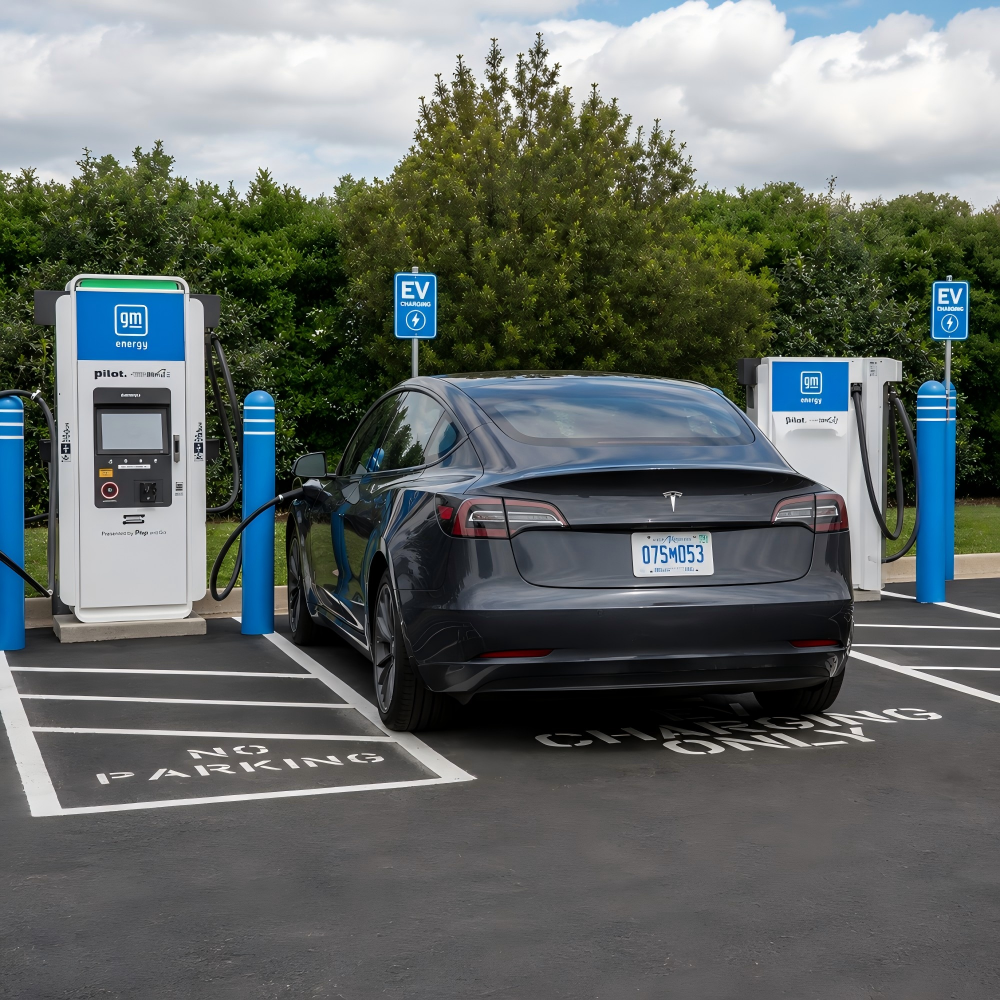
EV Charging Stations
Recommended configuration:
-
1000–1500 nit TFT LCD
-
Optical bonding
-
PCAP touch
-
Custom GG5 cover glass
-
IP65-rated enclosure
Smart Transportation Systems
Recommended configuration:
-
High-brightness IPS display
-
Optical bonding
-
Anti-reflective coating
-
Wide-temperature design
Agricultural Equipment
Recommended configuration:
-
Rugged TFT LCD
-
Optical bonding
-
Glove-compatible touch
-
Shock-resistant mounting
-
Extended temperature support
Construction Machinery
Recommended configuration:
-
Sunlight-readable display
-
High-impact cover glass
-
Vibration-resistant design
-
High environmental protection rating
Marine Electronics
Recommended configuration:
-
High-brightness LCD
-
Salt-resistant materials
-
UV-resistant components
-
Optical bonding technology
Common Mistakes in Outdoor Display Design
Many outdoor display projects fail to achieve their performance goals because critical architectural elements are overlooked.
Common mistakes include:
Focusing Only on Brightness
Brightness alone cannot overcome poor optical design.
Ignoring Optical Bonding
Reflection problems often remain unresolved.
Using Indoor Components Outdoors
Reliability issues quickly emerge.
Underestimating Thermal Challenges
Direct sunlight can dramatically increase internal temperatures.
Choosing Inadequate Cover Glass
Mechanical damage and premature failure become more likely.
Successful outdoor display design requires a balanced approach that addresses all environmental challenges simultaneously.
Future Trends in Outdoor Display Architecture
Outdoor display technology continues to advance.
Emerging trends include:
-
Higher-efficiency LED backlights
-
Advanced optical bonding materials
-
Ultra-low reflection coatings
-
Smart brightness adaptation
-
Integrated environmental sensors
-
AI-assisted display optimization
These developments will continue improving visibility, durability, reliability, and energy efficiency for future outdoor equipment.
Conclusion
The best display architecture for outdoor equipment combines a high-brightness TFT LCD, optical bonding, anti-reflective cover glass, PCAP touch technology, wide-temperature components, and robust environmental protection. Rather than focusing solely on brightness, engineers should evaluate the complete display system, including optical performance, durability, touch functionality, thermal management, weather resistance, and long-term reliability. By selecting a well-balanced architecture, manufacturers can ensure excellent sunlight readability, dependable operation, and extended service life in demanding outdoor environments. For engineers and product designers seeking proven solutions for outdoor applications, exploring outdoor display technologies can provide valuable insight into the display architectures commonly used in EV charging stations, transportation systems, industrial equipment, and other rugged outdoor applications.

 2026-06-30What is High Haze Anti-Glare Glass for Advertising Displays?
 2026-06-30Optimizing Display Legibility for Outdoor EV Charging Infrastructure: A Technical Guide to Sunlight-Readable LCD Design
 2026-06-29How Curved LCD Displays Ensure 24/7 Reliability in High-Traffic Gaming Environments
 2026-06-23How Many Nits of Brightness Are Required for an EV Charging Station Display to Be Sunlight-Readable?
 2026-06-23What Touch Technology Is Best for EV Charging Station LCD Displays?