Professional commercial display solution provider

How Commercial LCD Modules Enhance Digital Signage Performance
How Commercial LCD Modules Power Modern Digital Signage Displays
Introduction: Why LCD Modules Matter in Commercial Displays
Behind every professional digital signage screen or advertising display lies a critical component that determines performance, reliability, and long-term usability—the commercial LCD module. While end users often focus on screen size or visual impact, system designers and display manufacturers understand that the LCD module is the foundation of the entire display system.
In commercial environments such as retail stores, shopping malls, corporate spaces, and public venues, displays are expected to operate reliably for long hours every day. This demand has driven the adoption of commercial-grade LCD display modules, which are engineered differently from consumer screens to meet the specific requirements of professional applications.
What Is a Commercial LCD Module?
A commercial LCD module is a complete display unit that integrates the LCD panel, backlight system, and electrical interface into a standardized module. Unlike consumer televisions or monitors, LCD modules are designed to be embedded into larger systems such as digital signage displays, advertising screens, and professional visual equipment.
These modules provide system integrators with flexibility. They allow manufacturers to design custom enclosures, control systems, and mounting solutions while relying on a stable and proven display core.
The Role of LCD Display Modules in Digital Signage Systems
Digital signage has become a primary communication tool for businesses. From promotional content in retail spaces to information displays in public facilities, visual clarity and operational stability are essential.
In these systems, the LCD display module directly affects:
-
Image clarity and readability
-
Brightness consistency over long operating hours
-
Viewing angles for public-facing installations
-
System reliability and maintenance cycles
A well-designed commercial LCD module ensures that signage content remains consistent and visually effective, even in demanding usage scenarios.
Why Commercial Applications Require Specialized LCD Modules
Consumer-grade displays are typically optimized for short daily usage in controlled environments. Commercial applications, however, place different demands on display technology.
Commercial LCD modules are developed to support extended operation times, stable electrical performance, and predictable product lifecycles. This makes them suitable for environments where downtime is costly and visual quality must remain consistent.
For system designers, selecting the right LCD module is not only about resolution or size—it is about long-term operational reliability and compatibility with professional display systems.
Key Performance Factors in Commercial LCD Modules
Several performance characteristics distinguish commercial LCD modules from standard display panels.
Resolution and Image Definition
High-definition resolutions such as Full HD allow clear presentation of text, graphics, and video content. This is especially important for advertising and information displays viewed at close to medium distances.
Brightness Stability
Consistent brightness over time ensures that displays maintain their visual impact throughout the day. This is critical in commercial spaces with variable ambient lighting.
Viewing Angle Performance
Wide viewing angles help ensure content remains visible from different directions, improving audience engagement in open public environments.
Electrical and Interface Compatibility
Standardized interfaces such as LVDS allow LCD modules to integrate seamlessly with commercial control boards and media players.
Commercial LCD Modules as Building Blocks for Custom Displays
One of the key advantages of LCD modules is their adaptability. Display manufacturers and system integrators can use the same module across different projects while customizing enclosure design, control systems, and installation methods.
This modular approach helps reduce development time and ensures consistent performance across product lines. It also simplifies maintenance and replacement, as standardized modules are easier to support over time.
For companies developing digital signage systems, LCD modules provide a reliable foundation for scalable display solutions.
Integration Considerations for Display Manufacturers
Integrating an LCD module into a commercial display system involves more than mechanical installation. Electrical compatibility, thermal management, and enclosure design all play important roles in long-term performance.
Commercial LCD modules are designed with predictable electrical characteristics, allowing engineers to design control systems with confidence. Their mechanical profiles are optimized for secure mounting within professional display housings.
These integration-friendly characteristics make LCD modules a preferred choice for professional display development.
Practical Use of LCD Modules in Commercial Displays
In practical commercial display projects, system designers often rely on standardized LCD modules to simplify development and ensure consistent performance. These modules are typically selected based on resolution, interface compatibility, and long-term availability rather than consumer-facing features.
A typical commercial LCD module used in professional display systems provides the balance required for digital signage and advertising applications, including stable image output and compatibility with commonly used display control boards. Modules of this type are widely adopted in indoor commercial displays where reliability and predictable performance are priorities, making them a common reference point for engineers evaluating display components in real-world projects.
Another practical example is that many display integrators use commercial LCD modules designed for digital signage applications to ensure high visibility, uniform brightness, and extended operation without compromising image quality.
Future Trends in Commercial Display Modules
As digital signage continues to evolve, LCD modules are adapting to new requirements. Higher resolutions, improved brightness efficiency, and enhanced durability are becoming increasingly important.
At the same time, modular display design remains a core principle. LCD modules will continue to serve as the foundation for professional displays, allowing manufacturers to innovate at the system level while relying on proven display components.
Companies developing modern signage solutions often examine commercial LCD modules for professional displays to stay informed about technological advancements and best practices for integration.
This combination of standardization and flexibility ensures that LCD modules remain central to commercial display development.
How News Content Supports Product Visibility in Search
From a search optimization perspective, informational content plays an important role in helping users understand products before purchase. News-style articles that explain display technologies and applications help search engines associate product pages with relevant topics and keywords.
By publishing educational content around commercial LCD modules, display manufacturers can improve visibility for both informational and product-related searches. This content-driven approach supports long-term keyword growth in Google Search Console.
Conclusion: LCD Modules at the Core of Commercial Displays
Commercial LCD modules are essential components in modern digital signage and professional display systems. Their performance characteristics, integration flexibility, and long-term reliability make them indispensable for advertising displays, information screens, and custom visual solutions.
As demand for professional displays continues to grow, LCD modules will remain at the center of commercial display design—providing a stable and adaptable foundation for visual communication.
For companies seeking reliable display components, understanding the role and value of commercial LCD modules is a critical step in developing successful display systems. For engineers and designers looking to explore real-world examples, the commercial LCD module used in professional display systems illustrates how standardized modules can deliver reliable performance in digital signage and advertising applications.
Recommended reading
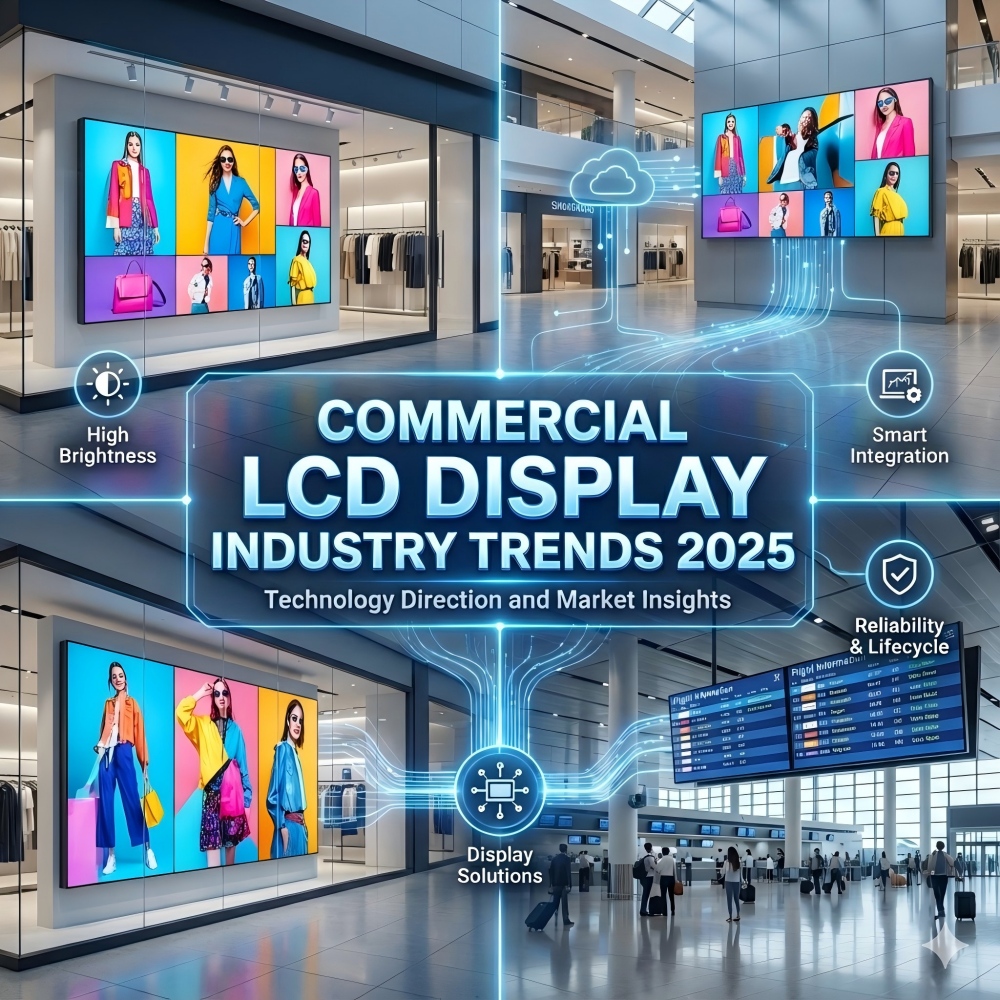 2025-12-29Commercial LCD Display Industry Trends and Market Insights for 2026
 2025-12-23Why Custom Commercial Displays Are Becoming Standard in Modern Systems
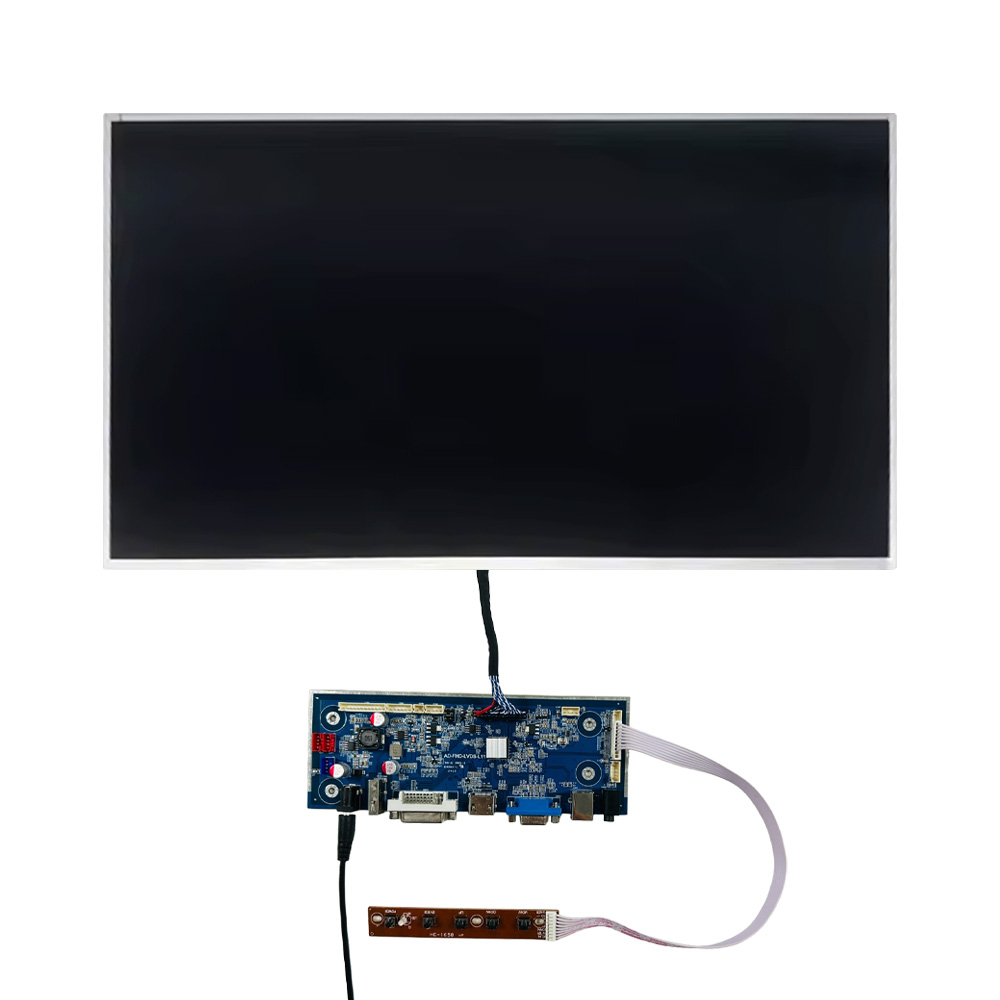 2025-12-17Advancing Outdoor Visual Systems with High-Brightness, Wide-Temperature LCD Technology
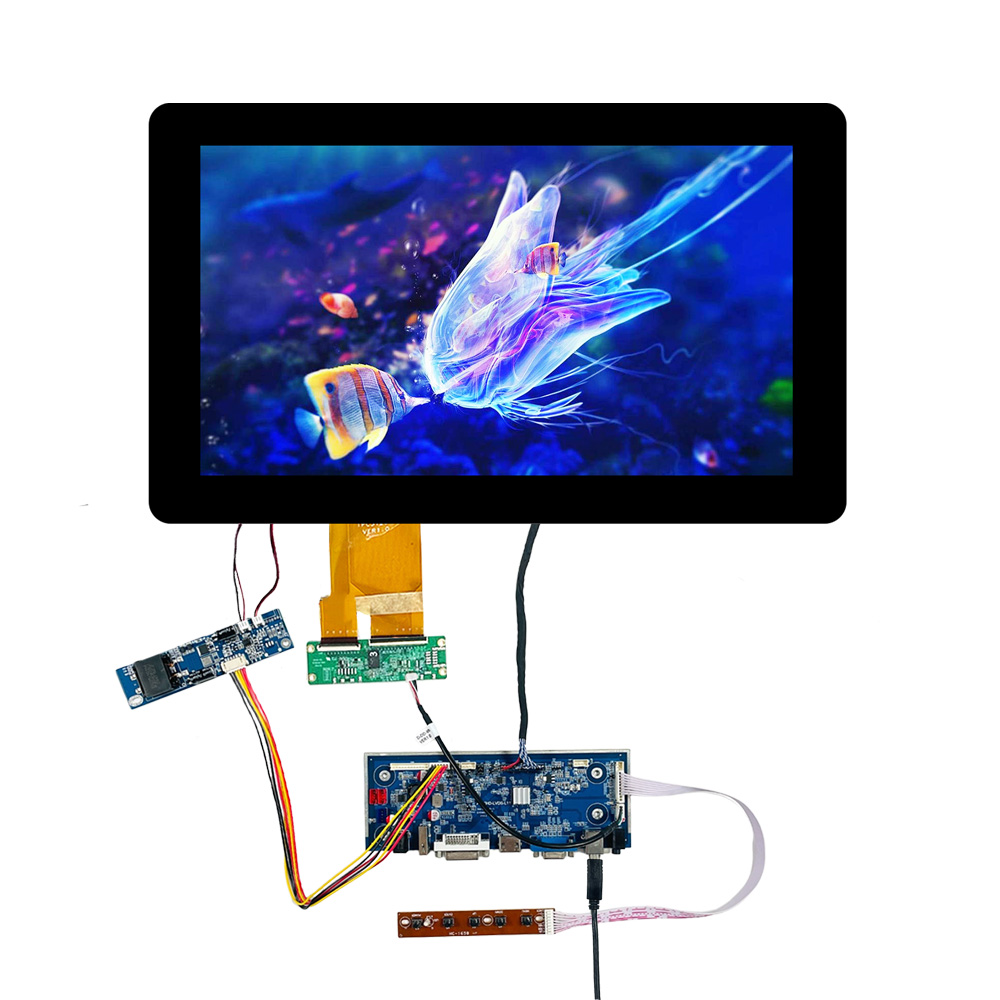 2025-12-10Outdoor Commercial LCD Modules for Wide Temperature High-Brightness Advertising Displays
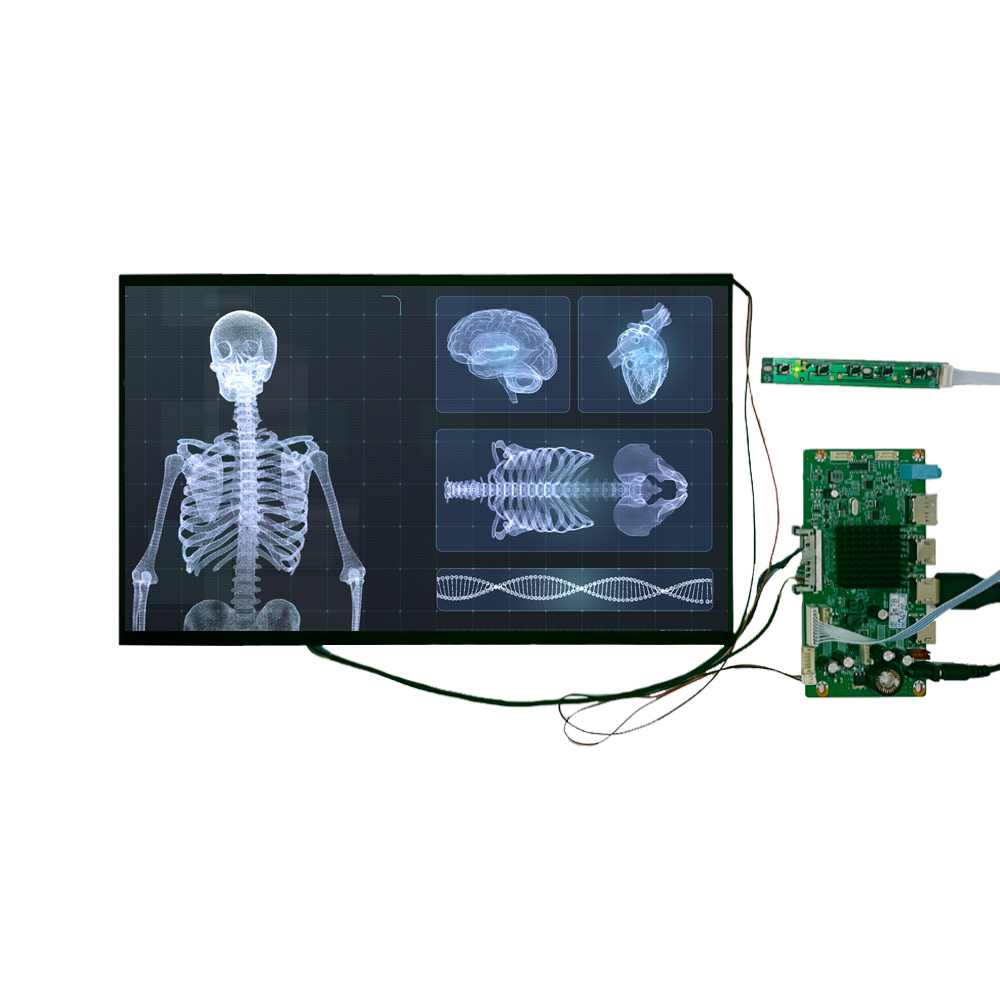 2025-12-0215,6-Zoll 4K Medical Display Module für hochpräzise diagnostische Bildgebung


Products
Commercial LCD Display
Gaming LCD Module
High Resolution Medical Display
Outdoor Display
E-ink LCD Display
Desk VR Monitor
OLED Display
Total Solutions
Service
Custom Touch Screen Solutions
Customized Frames & Protective Cover Glass
LCD Driver Board & Accessory Customization
Contact us
Contact Us
Copyright © 2025 Shenzhen Aptus Technology Co.,Ltd All Rights Reserved.

-
Inquire
- Top