Professional commercial display solution provider

How High-Resolution Medical Displays Improve Diagnostic Accuracy and Clinical Workflows
Advancing Healthcare Visualization with High‑Resolution Medical Displays
Introduction: The Importance of High‑Resolution Displays in Modern Healthcare
In today’s medical environment, visualization quality plays a critical role in patient diagnosis, clinical decision‑making, and surgical precision. Whether reviewing radiology scans, monitoring live imaging during surgery, or managing patient information systems, clinicians rely on high-resolution medical displays to deliver accurate images consistently.
Medical imaging professionals require screens that not only present images clearly but also maintain color fidelity, consistent brightness, and reliable performance in demanding clinical settings. These advanced displays enhance medical workflows and improve patient outcomes.
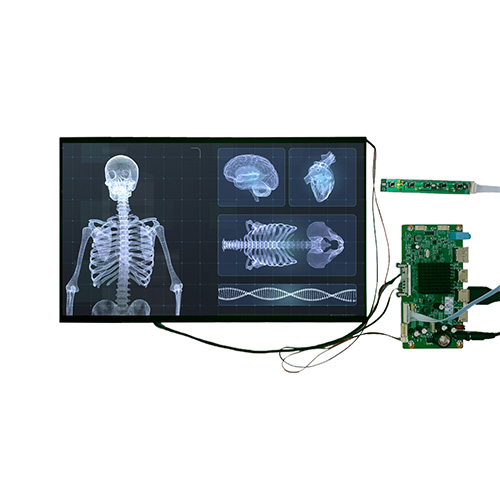
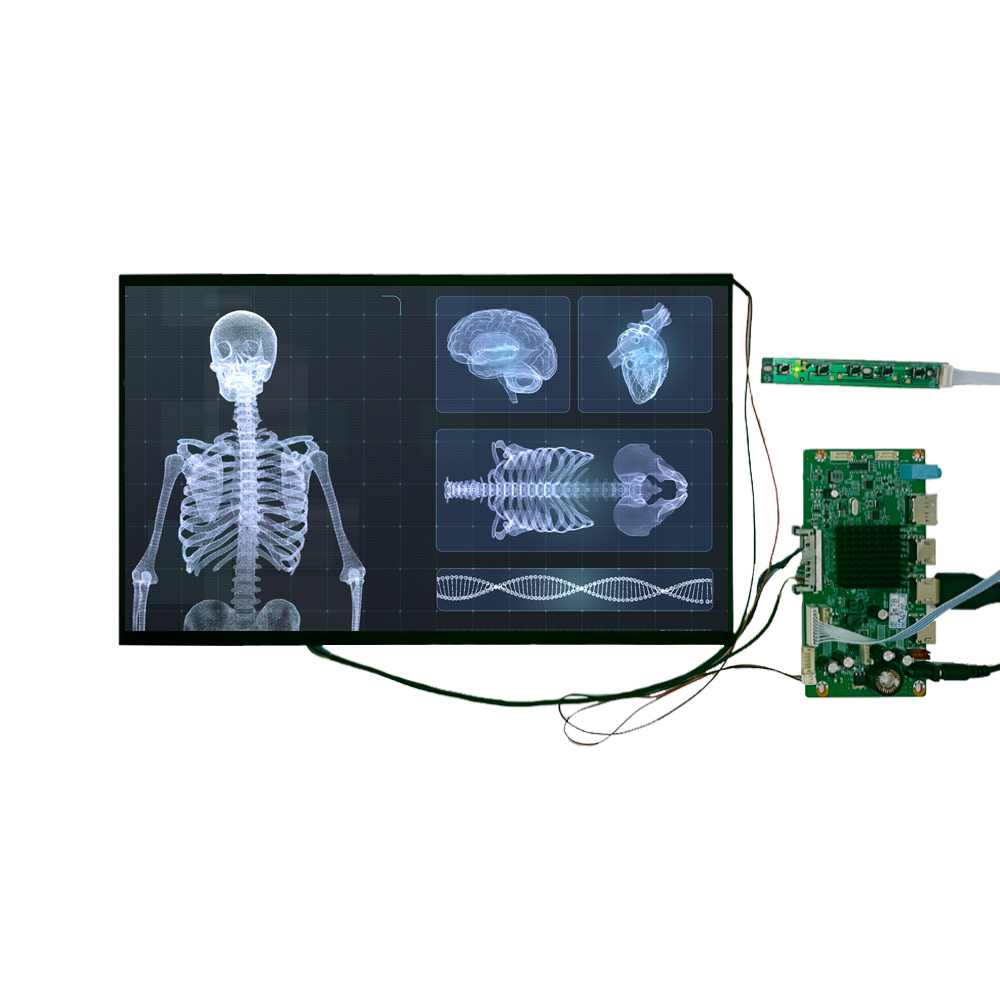
For instance, a high-resolution medical display designed for professional healthcare applications exemplifies the technology clinicians rely on for precise imaging.
What Defines a High‑Resolution Medical Display?
High‑resolution medical displays are specialized LCD panels engineered to meet stringent clinical requirements. Unlike consumer monitors, these displays are calibrated for:
-
Superior image clarity and fine detail resolution
-
Precise grayscale performance for radiology
-
Color consistency for surgical and diagnostic applications
-
Reliable performance under continuous operation
Such displays are essential in diagnostic imaging, surgical suites, and telemedicine, where every visual detail matters.
Why High Resolution Matters in Medical Imaging
Radiology and Diagnostic Imaging
Diagnostic imaging techniques such as CT, MRI, and ultrasound require high pixel density so subtle anatomical details are visible. Professionals using high-resolution medical displays can detect small lesions or microfractures that might be missed on standard consumer screens.
Surgical Visualization
In operating rooms, high-resolution displays support minimally invasive procedures and image-guided surgeries. Surgeons rely on real-time, high-fidelity imaging to make precise decisions, which directly impacts patient outcomes.
Telemedicine and Remote Consultations
High-resolution displays enhance telehealth, allowing remote specialists to accurately interpret diagnostic images and provide real-time guidance, with confidence in image clarity and color accuracy.
Key Technical Features of Medical Displays
High Pixel Density and Resolution
Full HD and 4K resolution screens are critical for detailed imaging. High-quality medical displays allow clinicians to view complex scans without zooming or interpolation, ensuring diagnostic accuracy.
Accurate Color and Grayscale Performance
Color fidelity and grayscale stability are vital in dermatology, pathology, and radiology. Calibrated displays ensure subtle visual differences are preserved for accurate diagnoses. For applications requiring optimal image quality, professionals often select a medical-grade high-resolution display to meet these requirements.
Wide Viewing Angles and Brightness Consistency
In multi-user environments, wide viewing angles and uniform brightness are essential. Advanced medical displays provide consistent image quality across the screen, improving collaboration during diagnostic and surgical procedures.
Continuous Reliability
Unlike consumer monitors, high-resolution medical displays are built for continuous operation. Reliable displays maintain performance over long hours, which is critical in radiology and operating room environments.
Integration with Clinical Systems
Medical displays must integrate seamlessly with PACS, hospital information systems, and imaging modalities. Many high-resolution solutions support HDMI, DisplayPort, and digital imaging standards while offering calibration management features to ensure accuracy and reliability.
Real-World Applications of Medical Display Technology
-
Diagnostic Reading Rooms: Radiologists use high-resolution displays to examine CT, MRI, and ultrasound scans with precision.
-
Operating Rooms: Surgeons rely on displays to visualize live feeds accurately during procedures.
-
Telemedicine and Remote Consultations: Remote specialists depend on high-fidelity displays for accurate image interpretation.
For healthcare technology teams exploring professional display solutions, the Duobond high-resolution medical display is a notable example of a clinically optimized solution.
Future Trends in Medical Display Technology
-
Ultra-High Definition (UHD) and Beyond: Next-generation displays provide even greater clarity for imaging.
-
AI-Assisted Visualization: AI overlays help highlight areas of interest in complex scans.
-
Interactive Touch Interfaces: Touch-enabled displays allow clinicians and patients to manipulate imaging data directly for enhanced engagement.
Conclusion: Enhancing Healthcare with High-Resolution Displays
High-resolution medical displays are essential for accurate diagnostics, surgical precision, and effective telemedicine. Choosing professional solutions ensures clinical workflows are optimized, image quality is maintained, and patient care is enhanced.
Recommended reading
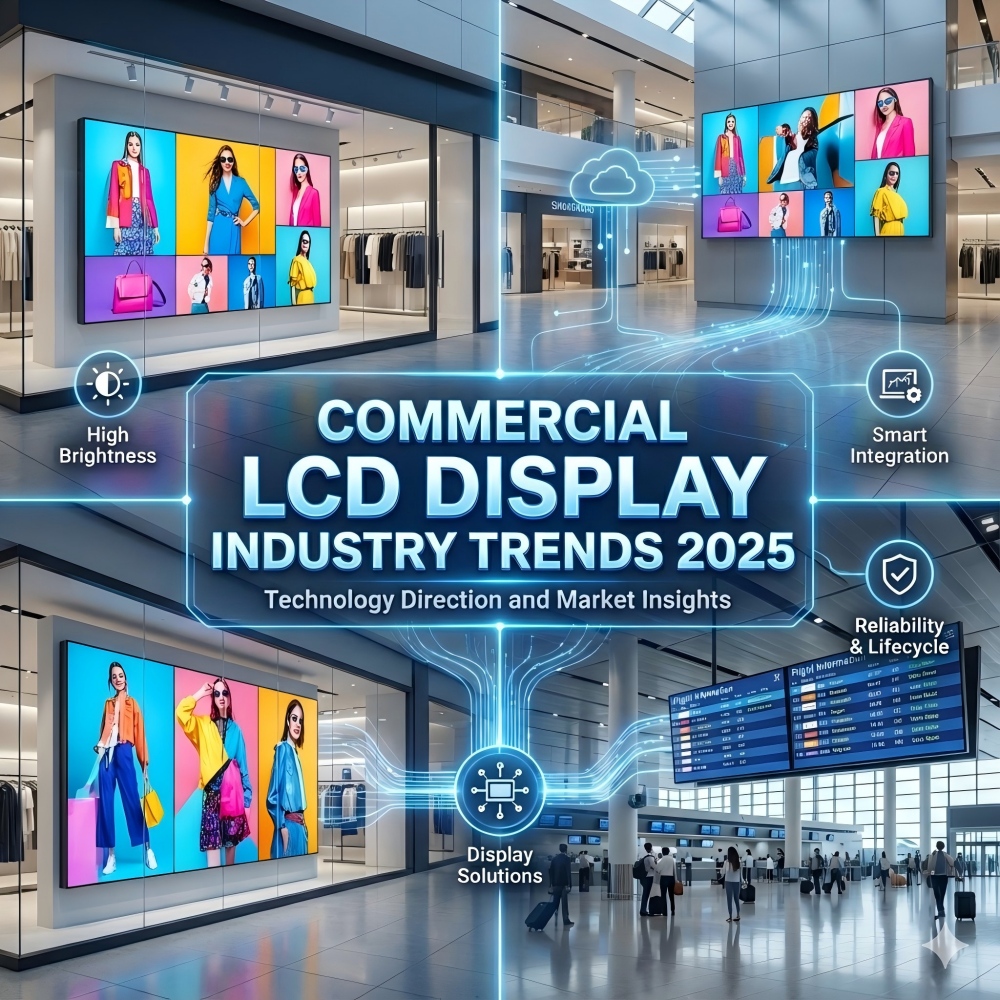 2025-12-29Commercial LCD Display Industry Trends and Market Insights for 2026
 2025-12-23Why Custom Commercial Displays Are Becoming Standard in Modern Systems
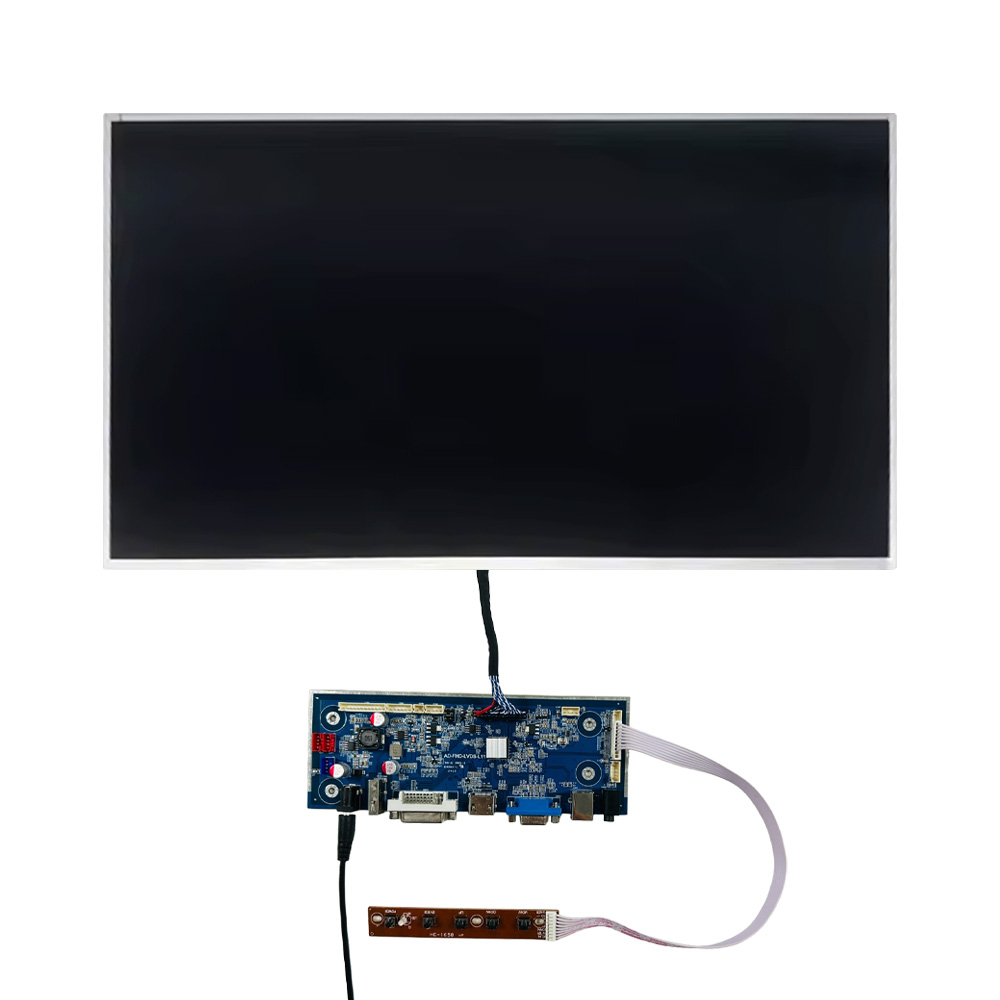 2025-12-17Advancing Outdoor Visual Systems with High-Brightness, Wide-Temperature LCD Technology
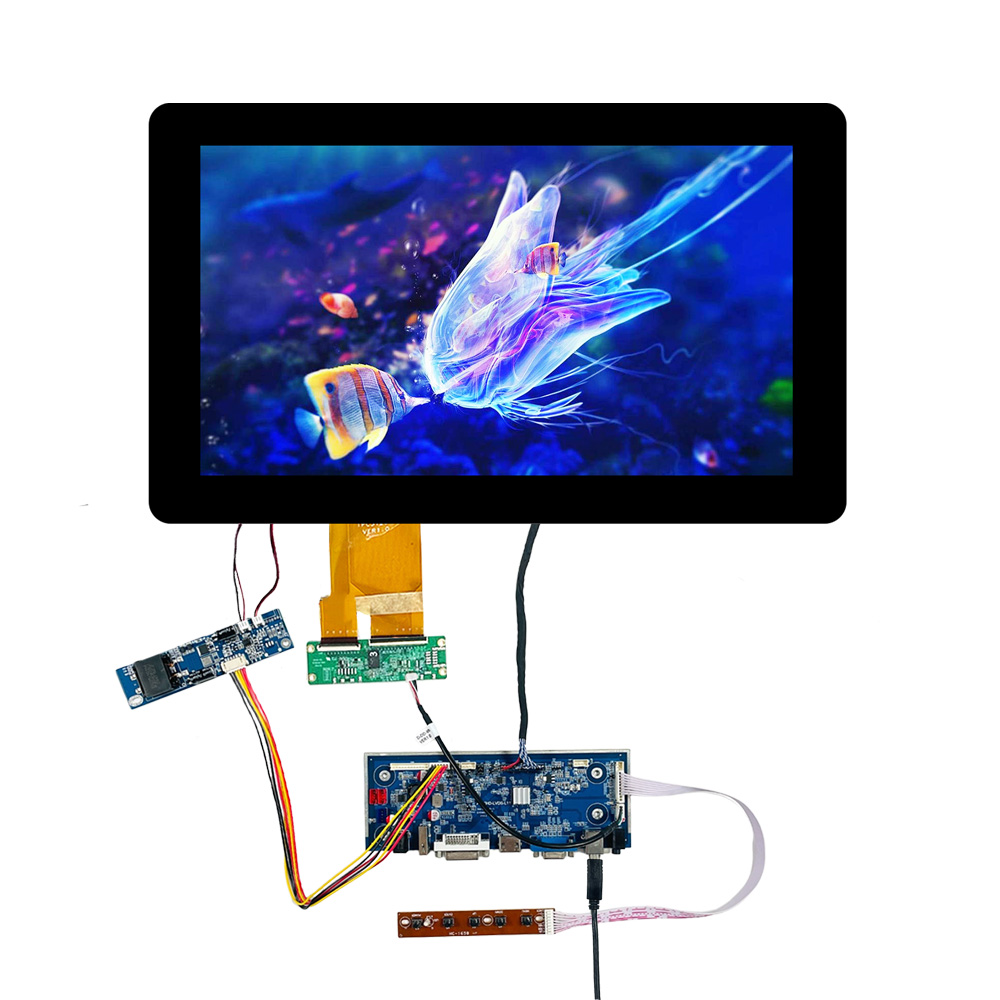 2025-12-10Outdoor Commercial LCD Modules for Wide Temperature High-Brightness Advertising Displays
 2025-12-0215,6-Zoll 4K Medical Display Module für hochpräzise diagnostische Bildgebung


Products
Commercial LCD Display
Gaming LCD Module
High Resolution Medical Display
Outdoor Display
E-ink LCD Display
Desk VR Monitor
OLED Display
Total Solutions
Service
Custom Touch Screen Solutions
Customized Frames & Protective Cover Glass
LCD Driver Board & Accessory Customization
Contact us
Contact Us
Copyright © 2025 Shenzhen Aptus Technology Co.,Ltd All Rights Reserved.

-
Inquire
- Top