Professional commercial display solution provider

How High-Resolution Medical Displays Improve Radiology Diagnostics
Introduction: Improving Diagnostic Imaging in Modern Healthcare
Accurate diagnosis is the cornerstone of effective medical care. Radiologists, clinicians, and diagnostic specialists rely heavily on high-quality displays to interpret imaging data such as CT scans, MRI images, and ultrasound results. In this context, high-resolution medical displays for professional healthcare applications have become essential tools, delivering precise visualization that enhances patient care.
Medical displays designed for clinical environments provide more than just high pixel counts—they ensure consistent brightness, accurate grayscale performance, and reliable color reproduction. These features allow healthcare professionals to identify subtle abnormalities, monitor treatment progress, and make informed decisions in real time.
Key Features of High-Resolution Medical Displays
Superior Image Clarity
Medical displays offer high pixel density to render even the smallest anatomical details without loss of clarity. This capability is crucial for radiologists, where misinterpretation of fine structures can lead to incorrect diagnoses. Using a medical-grade high-resolution display allows clinicians to view images at full fidelity without zooming, ensuring no diagnostic detail is lost.
Accurate Color and Grayscale Performance
Color and grayscale consistency are vital in fields like radiology, pathology, and dermatology. A subtle shift in grayscale or color can mask critical diagnostic information. High-resolution medical displays are factory-calibrated and maintain performance over time, giving professionals confidence in every scan they analyze.
Wide Viewing Angles and Consistent Brightness
Collaborative reading environments require displays that maintain clarity and color accuracy from various angles. Medical displays are engineered to provide uniform brightness and color across the screen, enabling multiple team members to view the same data accurately.
Continuous Reliability
Unlike standard monitors, medical displays are designed for extended operation without performance degradation. Continuous reliability is crucial in busy diagnostic centers, ensuring that equipment functions optimally during long shifts and peak usage times.
Applications in Clinical Workflows
Radiology Reading Rooms
In radiology departments, high-resolution displays allow specialists to analyze complex imaging studies. Detecting microfractures, small lesions, or early-stage disease requires screens that deliver precision. Incorporating Duobond high-resolution medical displays in reading rooms ensures that clinicians can perform accurate evaluations quickly.
Surgical Planning
Even before a procedure, surgeons utilize medical displays to review imaging results for planning. High-resolution screens help identify target areas, guide preoperative strategies, and anticipate potential complications.
Telemedicine
Remote diagnostics depend on the fidelity of transmitted images. High-resolution medical displays ensure that clinicians evaluating images offsite can see details comparable to in-hospital readings, reducing the likelihood of misdiagnosis.
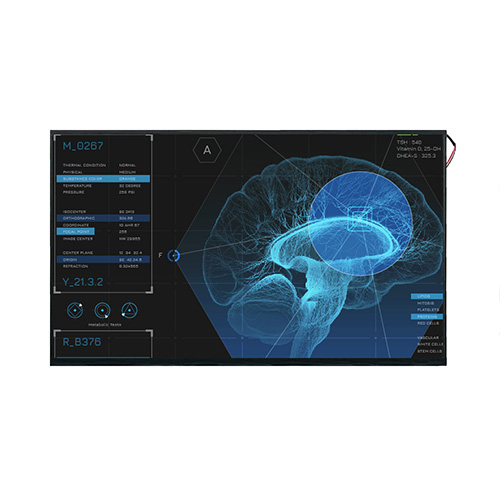
Future Trends in Diagnostic Displays
The healthcare industry is increasingly adopting ultra-high-definition (UHD) displays and AI-assisted visualization tools. These technologies augment the capabilities of medical professionals by highlighting areas of interest, enhancing contrast for critical regions, and providing real-time assistance during interpretation.
High-resolution medical displays will continue to evolve, supporting more complex imaging modalities and integrating advanced software tools to enhance clinical workflows.
Conclusion
High-resolution medical displays play an essential role in enhancing diagnostic accuracy and clinical efficiency. Their precise imaging, reliable performance, and integration into healthcare workflows make them indispensable for modern medical practice. For hospitals and diagnostic centers aiming to improve imaging quality, investing in Duobond high-resolution medical displays ensures superior diagnostic support and better patient outcomes.
Recommended reading
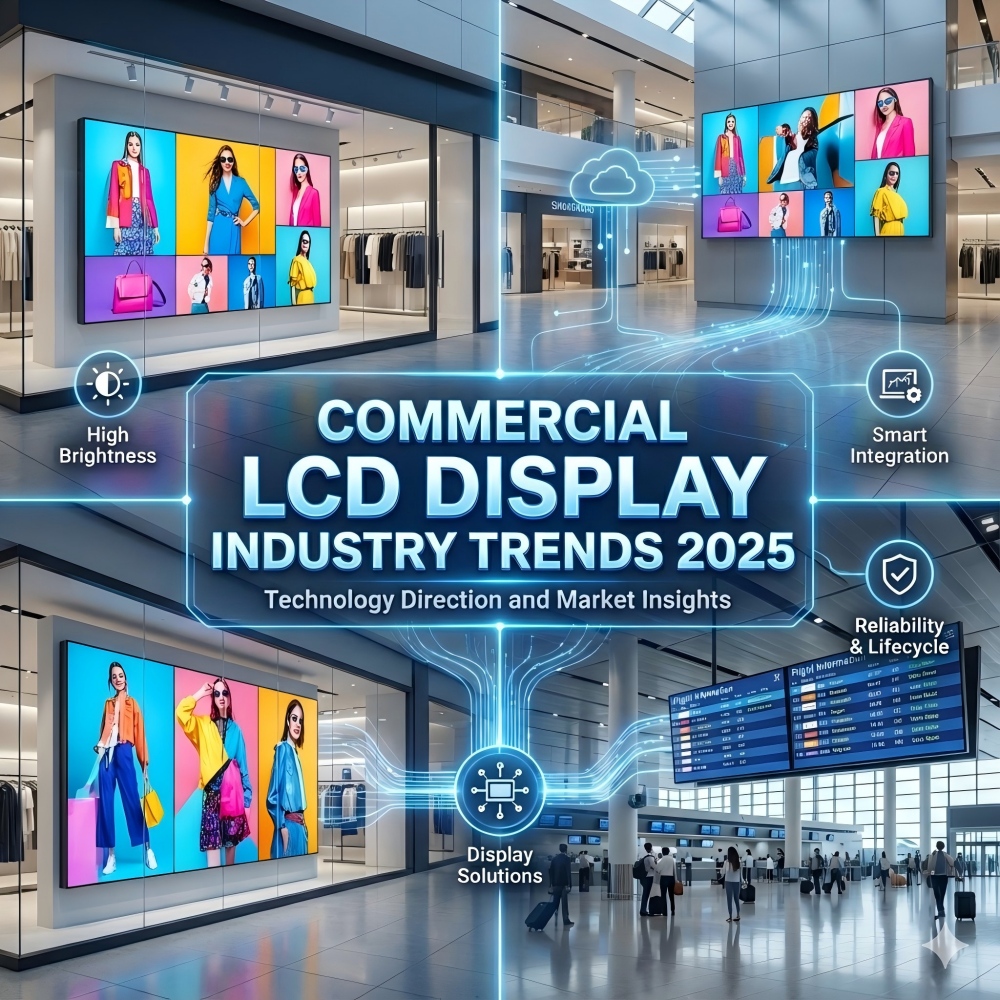 2025-12-29Commercial LCD Display Industry Trends and Market Insights for 2026
 2025-12-23Why Custom Commercial Displays Are Becoming Standard in Modern Systems
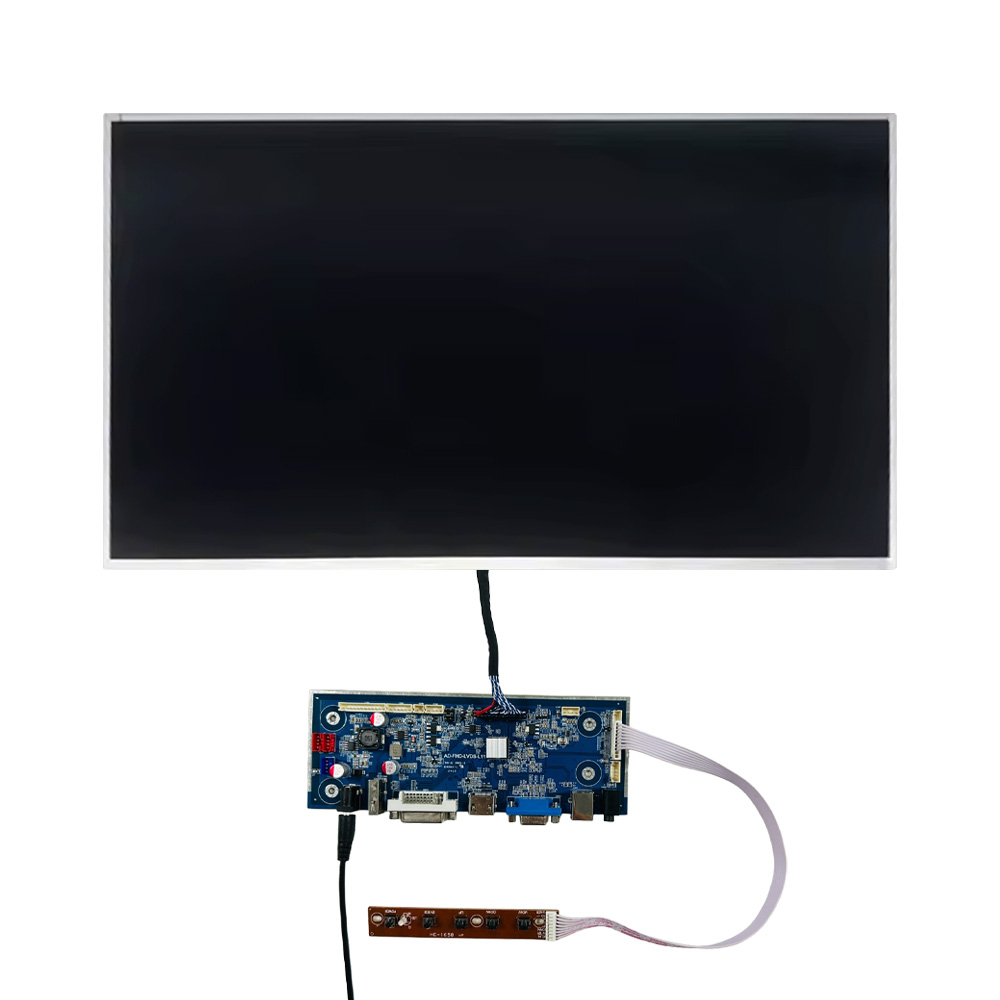 2025-12-17Advancing Outdoor Visual Systems with High-Brightness, Wide-Temperature LCD Technology
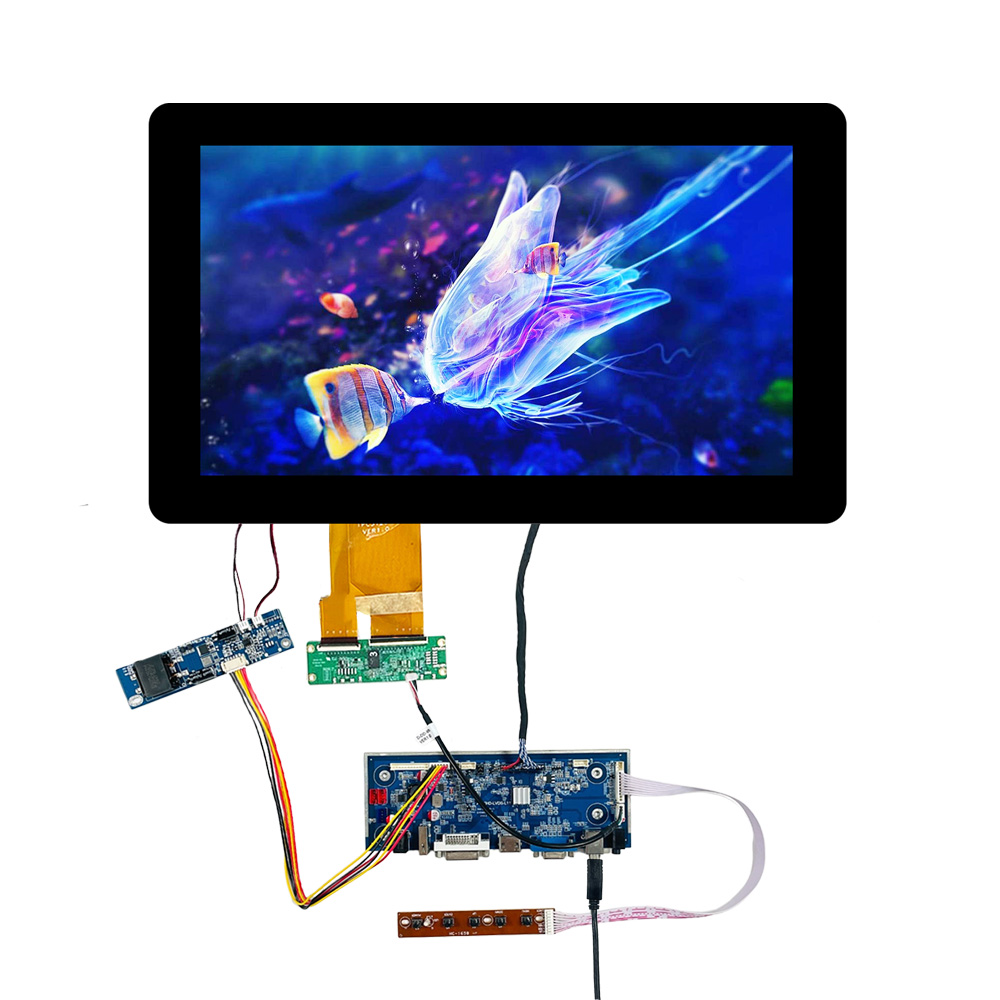 2025-12-10Outdoor Commercial LCD Modules for Wide Temperature High-Brightness Advertising Displays
 2025-12-0215,6-Zoll 4K Medical Display Module für hochpräzise diagnostische Bildgebung


Products
Commercial LCD Display
Gaming LCD Module
High Resolution Medical Display
Outdoor Display
E-ink LCD Display
Desk VR Monitor
OLED Display
Total Solutions
Service
Custom Touch Screen Solutions
Customized Frames & Protective Cover Glass
LCD Driver Board & Accessory Customization
Contact us
Contact Us
Copyright © 2025 Shenzhen Aptus Technology Co.,Ltd All Rights Reserved.

-
Inquire
- Top