Professional commercial display solution provider

How High-Resolution Medical Displays Enhance Surgical Visualization and Precision
Introduction: Real-Time Imaging as the Foundation of Modern Surgery
Modern surgical procedures increasingly depend on advanced visualization technologies. From minimally invasive operations to robotic-assisted surgery, surgeons rely on real-time imaging to guide each step with accuracy and confidence. In this environment, high-resolution medical displays are no longer optional—they are a critical component of safe and efficient surgical workflows.
A professional surgical display must deliver exceptional clarity, stable brightness, and precise color reproduction under continuous use. Integrating a high-resolution medical display module designed for clinical environments ensures that surgeons can interpret visual information accurately, even during complex or prolonged procedures.
Why Display Quality Matters in Surgical Environments
Surgical decisions are often made within seconds. A poorly rendered image, color distortion, or inconsistent brightness can compromise visibility and increase the risk of error. Unlike consumer monitors, medical displays are engineered to meet strict performance requirements in operating rooms.
High-resolution medical displays provide surgeons with a consistent visual reference, ensuring that tissues, instruments, and anatomical structures appear exactly as intended. This reliability is essential for procedures where millimeter-level precision determines outcomes.
Core Features of High-Resolution Medical Displays for Surgery
High Pixel Density for Fine Detail Recognition
Surgical imaging systems generate high-definition visual data from endoscopes, laparoscopic cameras, and imaging scanners. High pixel density ensures that these images are displayed without loss of detail, allowing surgeons to distinguish subtle tissue boundaries and anatomical variations.
Using a professional medical display optimized for surgical visualization allows full-resolution viewing without excessive zooming, preserving image integrity throughout the procedure.
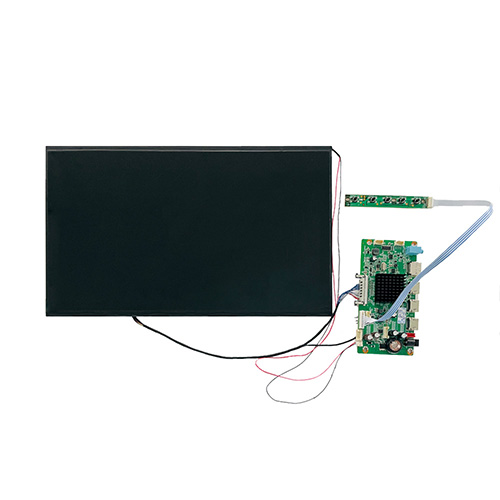
Accurate Color and Grayscale Representation
Color accuracy is especially important in surgery, where slight variations in tissue color may indicate bleeding, ischemia, or abnormal structures. High-resolution medical displays maintain consistent color calibration over long periods, ensuring visual reliability throughout extended procedures.
Grayscale stability is equally important for image-guided surgeries that rely on X-ray or fluoroscopy data. Medical-grade displays are calibrated to preserve grayscale accuracy across the entire brightness range.
Wide Viewing Angles for Team Collaboration
Operating rooms involve multiple professionals—surgeons, assistants, anesthesiologists, and nurses—who must simultaneously view the same visual information. Wide viewing angles ensure that image quality remains consistent regardless of viewing position.
This shared visual clarity improves communication, coordination, and overall surgical efficiency.
High Brightness and Anti-Reflection Performance
Surgical suites are brightly lit environments. Medical displays are designed with high brightness levels and anti-reflective coatings to maintain visibility even under strong ambient lighting. This prevents glare and eye fatigue, supporting longer procedures without visual strain.
Reliability for Continuous Operation
Surgical displays often operate for many hours without interruption. Medical-grade designs prioritize thermal stability, component longevity, and consistent performance, ensuring reliability during critical procedures.
Applications of High-Resolution Displays in Surgical Workflows
Minimally Invasive Surgery
Laparoscopic and endoscopic procedures depend entirely on video imaging. High-resolution displays allow surgeons to clearly visualize internal structures, improving precision while reducing patient trauma.
Image-Guided Surgery
Procedures that rely on real-time imaging—such as orthopedic navigation or cardiovascular interventions—benefit significantly from high-resolution displays that accurately render imaging overlays and reference markers.
Robotic-Assisted Surgery
Robotic systems amplify the importance of display quality. Surgeons rely on screens rather than direct vision, making image clarity and depth perception essential. A high-resolution medical display solution from Duobond supports accurate interpretation and confident control.
Future Trends in Surgical Display Technology
Surgical visualization continues to evolve with innovations such as 4K and 8K imaging, augmented reality overlays, and AI-assisted visual enhancement. These technologies require display platforms capable of rendering complex visual data without compromise.
High-resolution medical displays will remain central to these advancements, serving as the interface between advanced imaging systems and surgical decision-making.
Conclusion
High-resolution medical displays play a vital role in modern surgical environments. By delivering precise imaging, accurate color reproduction, and reliable performance, they support surgical precision, team collaboration, and patient safety. Hospitals and medical device integrators seeking to enhance operating room visualization benefit from adopting Duobond high-resolution medical displays designed specifically for clinical use.
Recommended reading
 2025-12-29Commercial LCD Display Industry Trends and Market Insights for 2026
 2025-12-23Why Custom Commercial Displays Are Becoming Standard in Modern Systems
 2025-12-17Advancing Outdoor Visual Systems with High-Brightness, Wide-Temperature LCD Technology
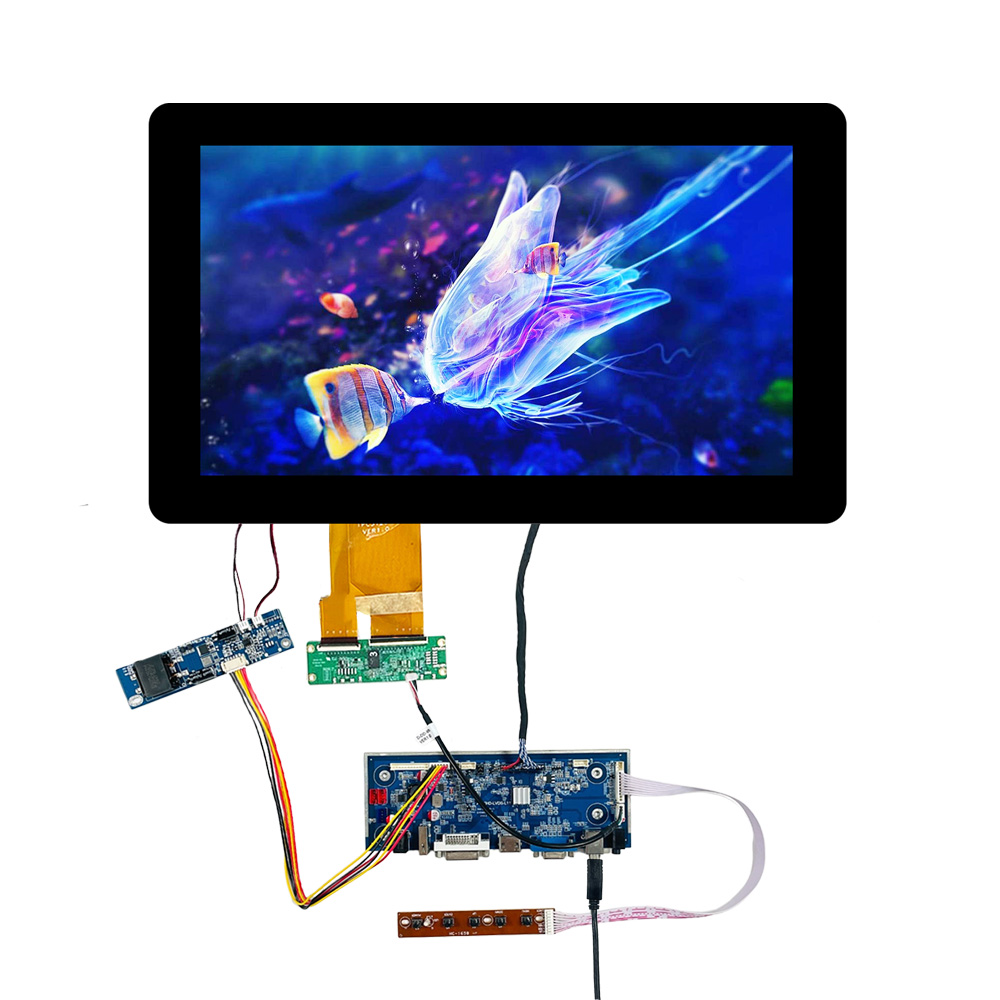 2025-12-10Outdoor Commercial LCD Modules for Wide Temperature High-Brightness Advertising Displays
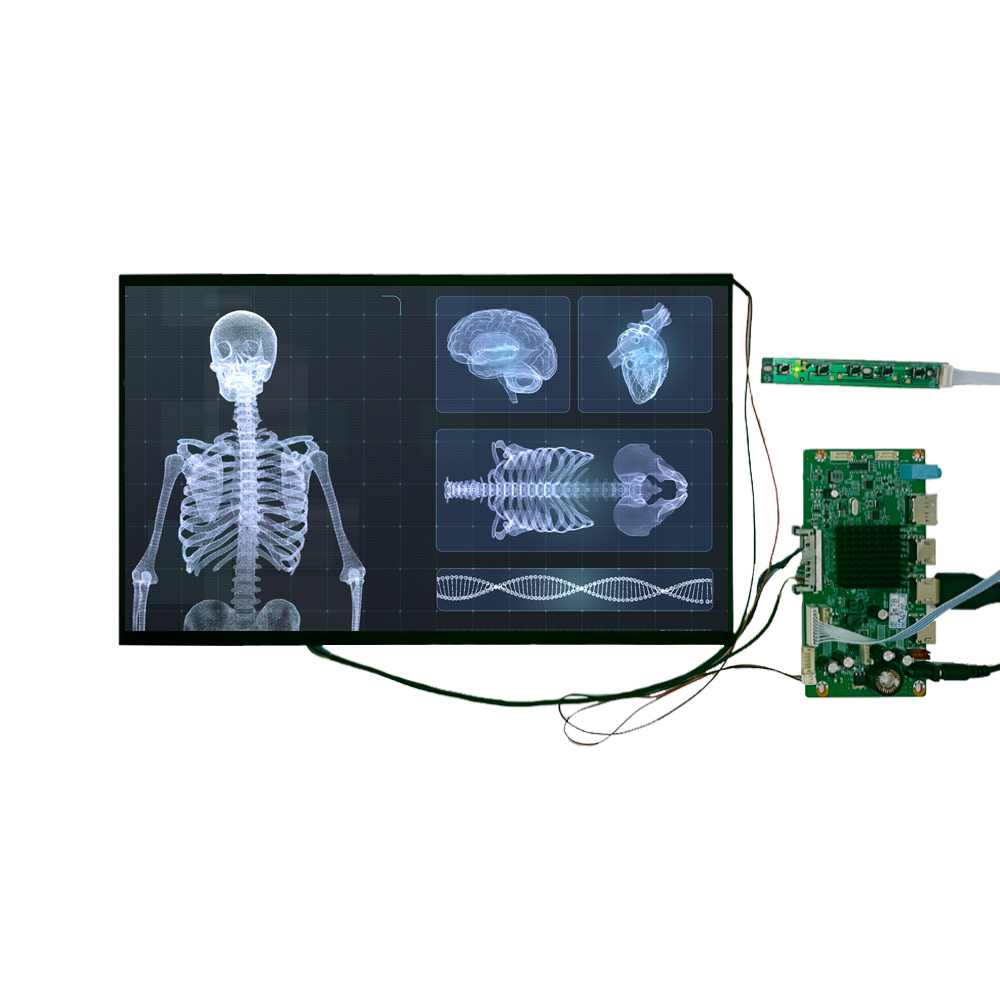 2025-12-0215,6-Zoll 4K Medical Display Module für hochpräzise diagnostische Bildgebung


Products
Commercial LCD Display
Gaming LCD Module
High Resolution Medical Display
Outdoor Display
E-ink LCD Display
Desk VR Monitor
OLED Display
Total Solutions
Service
Custom Touch Screen Solutions
Customized Frames & Protective Cover Glass
LCD Driver Board & Accessory Customization
Contact us
Contact Us
Copyright © 2025 Shenzhen Aptus Technology Co.,Ltd All Rights Reserved.

-
Inquire
- Top