Professional commercial display solution provider

How High-Resolution Medical Displays Transform Telemedicine and Remote Healthcare
Introduction: Visual Accuracy in Remote Medical Care
Telemedicine has transformed healthcare delivery by enabling remote consultations, diagnostics, and follow-up care. As medical services expand beyond traditional clinical settings, the accuracy of visual information becomes increasingly critical. High-quality imaging ensures that clinicians can make reliable decisions even when patients are not physically present.
In telemedicine systems, display performance directly impacts diagnostic confidence. Integrating high-resolution medical displays designed for professional healthcare use allows clinicians to interpret imaging data with the same clarity as in on-site environments.
Why Display Quality Is Critical for Telemedicine
Remote healthcare depends on digital imaging. Whether reviewing CT scans, dermatological images, or ultrasound results, clinicians must trust that what they see accurately represents the original data.
Consumer-grade displays may introduce color shifts, brightness inconsistency, or reduced grayscale accuracy. Medical-grade displays are engineered to eliminate these risks, ensuring visual fidelity across remote consultations.
Key Display Features Supporting Telemedicine Applications
High Resolution for Remote Diagnostics
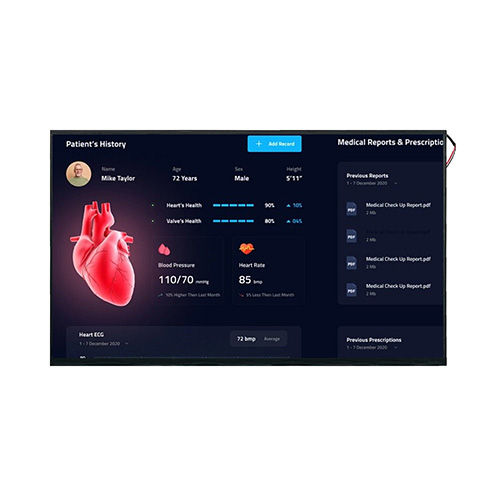
High pixel density enables clinicians to identify subtle abnormalities during remote image review. This is especially important in radiology, pathology, and chronic disease monitoring, where small visual details influence diagnosis.
Using a medical-grade high-resolution display ensures that remote diagnostics maintain clinical accuracy.
Consistent Color and Grayscale Performance
Telemedicine consultations often involve comparing current and historical images. Consistent color and grayscale reproduction ensures accurate assessment of disease progression or treatment response.
Medical displays maintain calibration stability over time, reducing variability across different viewing sessions.
Reliable Brightness and Contrast
Stable brightness and contrast allow clinicians to work comfortably for extended periods, reducing eye fatigue during long teleconsultation sessions. This supports both clinician efficiency and diagnostic accuracy.
Long-Term Reliability for Telehealth Systems
Telemedicine platforms may operate continuously across multiple time zones. Medical displays are designed for long-term reliability, supporting uninterrupted service in hospitals, clinics, and remote diagnostic centers.
Telemedicine Use Cases Enabled by High-Resolution Displays
Remote Radiology and Imaging Review
Teleradiology services depend on accurate display of medical images. High-resolution displays allow off-site radiologists to provide timely interpretations without compromising diagnostic quality.
Virtual Patient Consultations
High-resolution displays enhance communication between clinicians and patients by clearly presenting imaging results and treatment explanations. This improves patient understanding and engagement.
Multi-Disciplinary Telehealth Collaboration
Complex cases often involve specialists from different locations. Shared access to high-quality visual data enables collaborative decision-making, supported by professional medical displays.
Home-Based Healthcare Monitoring
As remote monitoring becomes more common, clinicians rely on accurate display of patient data. High-resolution medical displays support effective interpretation of transmitted medical images and visual data.
The Future of Telemedicine Display Technology
Telemedicine continues to evolve with AI-driven diagnostics, cloud-based imaging platforms, and interactive patient interfaces. These advancements require displays capable of rendering complex data accurately and consistently.
High-resolution medical displays will remain a foundational element, ensuring that remote healthcare delivery meets the same standards as in-person care.
Conclusion
High-resolution medical displays are essential to the success of telemedicine and remote healthcare. By delivering accurate imaging, stable performance, and professional-grade reliability, they enable clinicians to provide high-quality care regardless of location. Integrating Duobond high-resolution medical displays helps telehealth systems achieve clinical confidence and improved patient outcomes.
Recommended reading
 2025-12-29Commercial LCD Display Industry Trends and Market Insights for 2026
 2025-12-23Why Custom Commercial Displays Are Becoming Standard in Modern Systems
 2025-12-17Advancing Outdoor Visual Systems with High-Brightness, Wide-Temperature LCD Technology
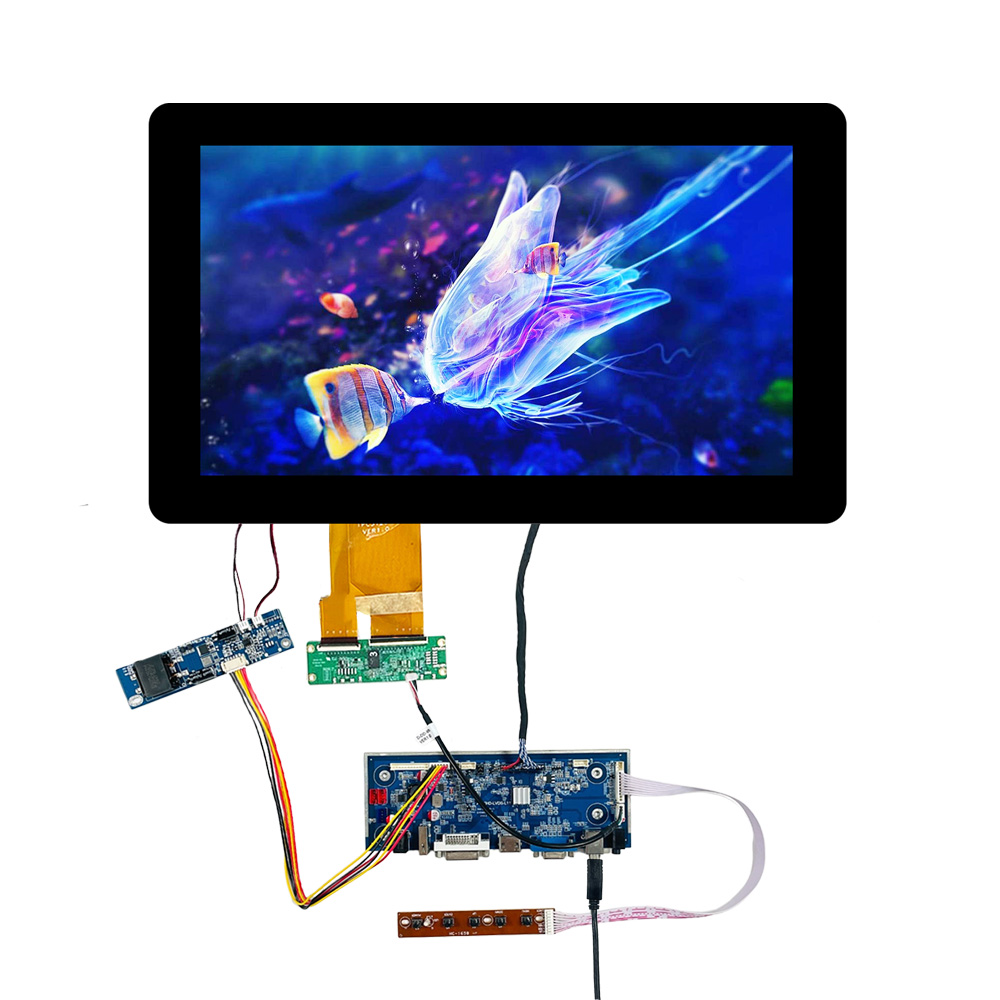 2025-12-10Outdoor Commercial LCD Modules for Wide Temperature High-Brightness Advertising Displays
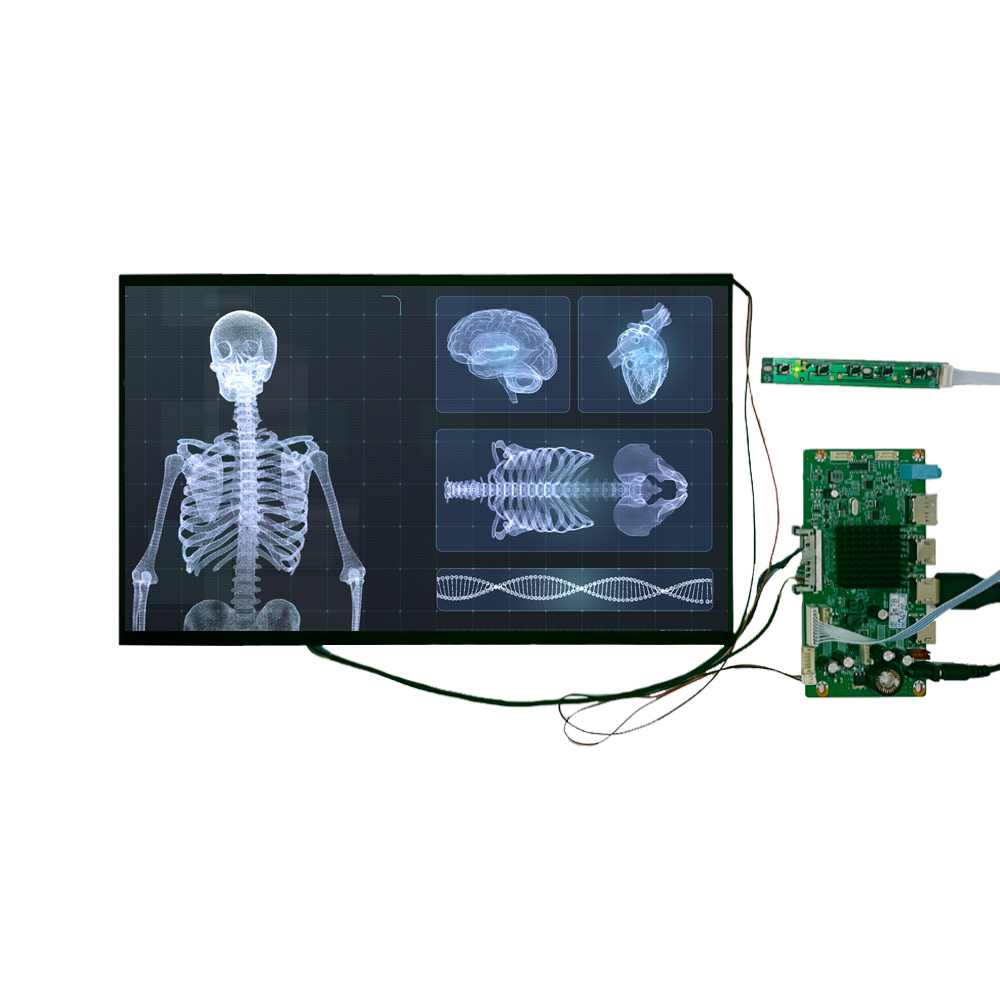 2025-12-0215,6-Zoll 4K Medical Display Module für hochpräzise diagnostische Bildgebung


Products
Commercial LCD Display
Gaming LCD Module
High Resolution Medical Display
Outdoor Display
E-ink LCD Display
Desk VR Monitor
OLED Display
Total Solutions
Service
Custom Touch Screen Solutions
Customized Frames & Protective Cover Glass
LCD Driver Board & Accessory Customization
Contact us
Contact Us
Copyright © 2025 Shenzhen Aptus Technology Co.,Ltd All Rights Reserved.

-
Inquire
- Top