Professional commercial display solution provider

- Home
-
Products
Professional commercial display solutions
-
About us
In good faith to customers
-
Service
Provide professional and meaningful advice
-
Knowledge Center
Innovation for development
- Contact us
How Do Outdoor Advertising Displays Operate Reliably in Extreme Temperatures?
How Do Outdoor Advertising Displays Operate Reliably in Extreme Temperatures?
Outdoor advertising displays have to operate in conditions that are very different from those of indoor commercial displays. Direct sunlight can significantly increase the temperature of the display surface and enclosure, while winter environments can expose the LCD and electronic components to freezing temperatures. At the same time, high-brightness backlights and internal electronics generate additional heat during continuous operation.
For this reason, reliable outdoor advertising displays require more than a high-brightness LCD panel. Wide-temperature LCD technology, thermal management, appropriate enclosure design, optical treatment, brightness control, and suitable electronic components must work together to maintain stable performance.
For large commercial outdoor displays, selecting a dedicated Outdoor Display is an important first step because the LCD can be specified according to the expected temperature, sunlight exposure, brightness, and operating conditions.
Why Are Extreme Temperatures a Challenge for Outdoor Advertising Displays?
Outdoor advertising displays are exposed to multiple heat and cold sources simultaneously.
During hot weather, the display may receive heat from:
-
Direct solar radiation
-
High ambient temperature
-
High-brightness LED backlight
-
Power supply
-
Driver board
-
Media player
-
Internal electronic components
-
Heat accumulated inside the enclosure
The situation can become more demanding when the display is installed behind glass or inside a sealed enclosure because the heat generated by sunlight and internal components has fewer ways to escape.
Cold weather creates a different set of challenges. Low temperatures can affect LCD response characteristics, backlight performance, power electronics, and system startup.
Therefore, the outdoor display needs to be designed around the complete thermal environment, rather than relying only on the LCD's nominal operating temperature.
Use a Wide-Temperature LCD Display
The LCD panel is the foundation of an outdoor advertising display.
A standard indoor commercial LCD may have a relatively limited operating temperature range. For outdoor applications, the panel should be selected according to the actual minimum and maximum temperatures expected at the installation site.
For example, Duobond's 18.5-inch DV185FHM-R00 outdoor LCD module provides:
| Parameter | Specification |
|---|---|
| Display Size | 18.5 inches |
| Resolution | 1920 × 1080 |
| Brightness | 1000 cd/m² |
| Interface | 30-pin LVDS |
| Viewing Angle | 89° / 89° / 89° / 89° |
| Operating Temperature | -20°C to +60°C |
This combination of high brightness and wide-temperature operation is intended for outdoor and industrial display applications.
The required temperature range should always be selected according to the actual installation environment. A display intended for a mild climate may require a different specification from one deployed in a region with very hot summers or freezing winters.
Manage Heat From Direct Sunlight
One of the most important differences between indoor and outdoor advertising displays is solar loading.
Direct sunlight does not simply make the image harder to see. Solar radiation also transfers heat into the front surface of the display and can increase the temperature of the LCD assembly.
Outdoor thermal design therefore needs to account for three major heat sources:
Ambient temperature + solar radiation + internal heat generation
The internal heat may come from the backlight, power supply, driver board, media player, and other electronics.
If these heat sources are not properly managed, the display can experience brightness instability, color changes, accelerated component aging, or thermal protection. Recent outdoor-display engineering guidance similarly identifies solar radiation, high-brightness backlights, sealed enclosures, and long operating hours as major thermal design factors.
Use Appropriate Thermal Management
A reliable outdoor advertising display needs a thermal strategy that matches its size, brightness, enclosure, and environment.
Depending on the system design, thermal management may include:
-
Metal heat-dissipation structures
-
Heat sinks
-
Natural convection
-
Controlled airflow
-
Fans
-
Heat exchangers
-
Air-conditioning systems
-
Thermal isolation between components
-
Temperature sensors
-
Automatic thermal protection
The appropriate method depends on the display configuration.
For example, a high-brightness large-format display operating in direct sunlight may generate considerably more heat than a lower-brightness display installed under a roof.
The enclosure should therefore be designed so that heat generated by the LCD and electronics can be transferred away efficiently.
Do Not Rely on Fans Alone
Adding a fan does not automatically solve an outdoor display's thermal problem.
A fan can move air, but the system still needs a defined path for heat to leave the enclosure.
A practical thermal design should consider:
Heat source → heat transfer → airflow or heat exchanger → heat rejection
If the enclosure has poor airflow channels, a high-speed fan may simply circulate hot air inside the cabinet.
Outdoor display thermal management should therefore be considered during enclosure design rather than added after the display has already been selected.
For sealed outdoor systems, the cooling architecture also needs to balance thermal performance with protection against dust and moisture. Outdoor display engineering references commonly describe heat exchangers, sealed cooling systems, and air-conditioning as options depending on the thermal load and enclosure requirements.
Select Sufficient Brightness Without Creating Excessive Heat
Outdoor advertising displays need sufficient brightness to remain readable in daylight.
However, higher brightness generally means greater backlight power consumption and additional heat generation. This creates an engineering trade-off.
A display should therefore not simply be specified with the highest possible brightness.
Instead, evaluate:
-
Ambient light
-
Direct sunlight exposure
-
Viewing distance
-
Screen orientation
-
Contrast
-
Optical treatment
-
Backlight efficiency
-
Thermal capacity
Duobond's outdoor LCD portfolio includes 1000-nit and higher-brightness configurations for outdoor commercial applications. Its 18.5-inch outdoor module, for example, provides 1000 cd/m² brightness while supporting -20°C to +60°C operation.
The objective is to achieve sufficient sunlight readability while maintaining a manageable thermal load.
Consider Automatic Brightness Control
Outdoor advertising displays do not necessarily need maximum brightness at every time of day.
During strong daylight, higher brightness can improve readability. At night or during low-light conditions, maintaining maximum brightness may be unnecessary.
Automatic brightness control can adjust the backlight according to ambient lighting conditions.
This can provide several potential benefits:
-
More consistent viewing comfort
-
Lower power consumption
-
Reduced heat generation
-
Lower backlight stress
-
Better nighttime visibility
The brightness-control strategy should be integrated with the display controller and overall system design.
Optical Treatment Helps Reduce Outdoor Readability Problems
Outdoor readability depends on more than backlight brightness.
Reflections from sunlight can reduce perceived contrast even when the LCD has a high luminance specification.
Depending on the application, the display may benefit from:
-
Anti-glare treatment
-
Anti-reflective treatment
-
Optical bonding
-
Appropriate cover glass
-
High-contrast LCD technology
Optical treatment can reduce the impact of reflected ambient light and improve the relationship between the displayed image and the surrounding environment.
This is particularly important when the display is installed behind protective glass or in a highly reflective enclosure.
Use Optical Bonding Where Appropriate
An air gap between the LCD, touch panel, and cover glass can increase internal reflections.
Optical bonding replaces the air gap with an optical adhesive layer, helping reduce internal reflections and improve image clarity.
For outdoor advertising displays, optical bonding can be considered when the system requires:
-
Improved sunlight readability
-
Reduced internal reflections
-
Better optical integration
-
Stronger assembly structure
However, optical bonding is only one part of the outdoor optical design. It should be evaluated together with brightness, cover glass, AG/AR treatment, display orientation, and enclosure structure.
Protect the Display From Low Temperatures
High temperature is not the only environmental challenge.
In cold environments, low temperatures can affect the physical behavior of liquid crystals and the performance of electronic components.
Potential effects include:
-
Slower response
-
Reduced startup performance
-
Changes in image characteristics
-
Increased power requirements during startup
-
Stress caused by repeated temperature cycling
The LCD's specified operating temperature should therefore cover the expected outdoor environment.
If the display will be deployed in regions with particularly low winter temperatures, additional heating or temperature-control measures may need to be considered at the system level.
The exact solution depends on the LCD specification, enclosure design, power system, and minimum ambient temperature.
Account for Temperature Cycling
Outdoor advertising displays rarely remain at one constant temperature.
Instead, they can repeatedly transition between:
Cold night → morning heating → strong daytime sunlight → evening cooling
Repeated thermal cycling can place stress on the LCD assembly, adhesives, cables, connectors, circuit boards, and enclosure materials.
For long-term outdoor deployment, engineers should therefore consider not only the minimum and maximum temperatures but also the expected frequency and speed of temperature changes.
This is particularly important for installations exposed directly to sunlight because the front surface and internal components may heat at different rates.
Separate Major Heat Sources
A large commercial outdoor display can contain several heat-generating components.
For example:
-
LCD backlight
-
LCD driver board
-
Power supply
-
Media player
-
Communication modules
-
Touch controller
-
Other control electronics
If all these components are concentrated in one enclosed area, local hot spots may develop.
A better system design can separate heat sources and provide appropriate thermal paths for each component.
This can help reduce the thermal load experienced by the LCD panel and other sensitive components.
Consider the Enclosure as Part of the Display System
The LCD cannot be evaluated separately from the enclosure.
The enclosure affects:
-
Solar heat absorption
-
Airflow
-
Heat dissipation
-
Dust protection
-
Water protection
-
Internal temperature
-
Maintenance access
A poorly designed enclosure can cause an otherwise suitable LCD to operate outside its intended conditions.
For outdoor advertising displays, the enclosure should therefore be considered part of the thermal and environmental protection system.
Protect Against Outdoor Environmental Conditions
Extreme temperature is usually accompanied by other outdoor conditions.
A commercial outdoor advertising display may be exposed to:
-
Rain
-
Humidity
-
Dust
-
Condensation
-
Wind
-
UV exposure
-
Temperature cycling
The final equipment should therefore have an environmental protection strategy appropriate to its installation location.
The protection level of the complete outdoor display enclosure should not automatically be assumed from the LCD module's specifications.
The LCD, front glass, enclosure, cable openings, connectors, cooling system, and other components need to be evaluated together.
Use Temperature Monitoring for Large Outdoor Displays
Temperature sensors can provide useful information about the actual thermal condition of the equipment.
Depending on the system, temperature monitoring can be used to:
-
Detect overheating
-
Control cooling equipment
-
Adjust brightness
-
Trigger alarms
-
Protect electronic components
-
Record operating conditions
This is particularly useful for unattended outdoor advertising installations where the display may operate for long periods without direct supervision.
Design for Long Operating Hours
Outdoor advertising displays are often expected to operate for extended periods each day.
Continuous operation increases the importance of:
-
Backlight lifetime
-
Thermal stability
-
Power-supply reliability
-
Driver-board temperature
-
Enclosure cooling
-
Component availability
-
Maintenance access
A display that performs correctly for a short laboratory test may have different requirements when deployed continuously in direct sunlight.
Long-duration testing under representative temperature and lighting conditions can therefore provide more useful information than a basic indoor functional test.
Test the Complete Display Under Realistic Conditions
Outdoor display reliability should be validated at the system level.
Testing can include:
High-Temperature Testing
Operate the display at the upper end of its specified temperature range and evaluate:
-
Image stability
-
Brightness
-
Color performance
-
Backlight operation
-
Driver-board temperature
-
Power consumption
Low-Temperature Testing
Evaluate:
-
Startup behavior
-
Response performance
-
Image quality
-
Backlight operation
-
Electronic stability
Solar Exposure Testing
Where possible, evaluate the display under strong simulated or actual solar loading.
This helps determine whether the enclosure and thermal system can maintain the LCD within its required operating conditions.
Long-Duration Testing
Operate the complete display for an extended period while monitoring temperature, brightness, and system stability.
This can help identify thermal problems that may not appear during short tests.
What Specifications Should You Check?
When selecting an outdoor advertising LCD, the following specifications should be reviewed together:
| Specification | Why It Matters |
|---|---|
| Operating temperature | Defines the intended environmental range |
| Brightness | Determines daylight readability |
| Viewing angle | Supports visibility from different positions |
| Resolution | Determines image and text detail |
| Backlight | Affects brightness, power, and heat |
| Optical treatment | Helps control outdoor reflections |
| Optical bonding | Can improve optical integration |
| Enclosure | Controls environmental and thermal protection |
| Cooling system | Removes internally generated heat |
| Power supply | Must operate reliably under temperature changes |
| Interface | Ensures compatibility with the controller |
| Temperature monitoring | Helps identify thermal problems |
| Long-term testing | Validates system stability under continuous operation |
Can an Outdoor LCD Operate in Both Hot and Cold Climates?
Yes, provided that the display is specifically selected and engineered for the expected temperature range.
The key is to match the LCD's operating specification with the actual environmental conditions.
For example, Duobond's 18.5-inch DV185FHM-R00 is specified for operation from -20°C to +60°C and provides 1000 cd/m² brightness for outdoor visibility.
For applications with temperatures outside this range, a different wide-temperature configuration or additional thermal-control measures may be required.
Frequently Asked Questions
Why do outdoor advertising displays need wide-temperature LCD panels?
Outdoor displays experience significantly larger temperature variations than indoor commercial displays. A wide-temperature LCD is designed for operation across a broader environmental range, helping maintain stable performance in hot and cold conditions.
Does higher brightness make an outdoor display hotter?
Higher brightness generally requires more backlight power, which can increase heat generation. The display should therefore balance brightness requirements with backlight efficiency and thermal management.
Can thermal management improve outdoor LCD reliability?
Yes. Proper thermal management can help control heat generated by the backlight, power supply, electronics, and solar radiation. The specific cooling method depends on the display size, brightness, enclosure, and environmental conditions.
Is high brightness enough for direct sunlight?
No. Brightness is important, but outdoor readability also depends on reflections, contrast, viewing angle, cover glass, optical bonding, AG/AR treatment, and display orientation.
What happens if an outdoor LCD becomes too hot?
Excessive temperature can affect image stability, brightness, color performance, electronic components, and long-term service life. Depending on the system, thermal protection may also reduce brightness or shut down components to prevent damage.
What should be considered for outdoor displays in cold climates?
The LCD's minimum operating temperature, startup performance, power electronics, thermal cycling, enclosure design, and potential heating requirements should all be evaluated.
Conclusion
Outdoor advertising displays can operate reliably in extreme temperatures when the LCD, backlight, electronics, enclosure, optical components, and thermal-management system are designed as one integrated solution.
The key considerations are wide-temperature LCD technology, appropriate brightness, solar-load management, thermal dissipation, optical treatment, enclosure design, temperature monitoring, and long-term environmental testing.
For large commercial outdoor displays, simply selecting a high-brightness LCD is not enough. The display must also be able to control the heat generated by both the environment and its own internal components.
Duobond Display's outdoor LCD range includes 15.6-inch and larger commercial display configurations, with high-brightness and wide-temperature options designed for applications such as outdoor advertising, digital signage, transportation displays, kiosks, and other commercial equipment.
For projects exposed to extreme heat, cold, or direct sunlight, the display specification should be defined together with the enclosure and thermal-management requirements. You can review Duobond Display's Outdoor Display solutions when evaluating a high-brightness, wide-temperature LCD for outdoor advertising applications.
Previous:No more
Back to list
Recommended reading
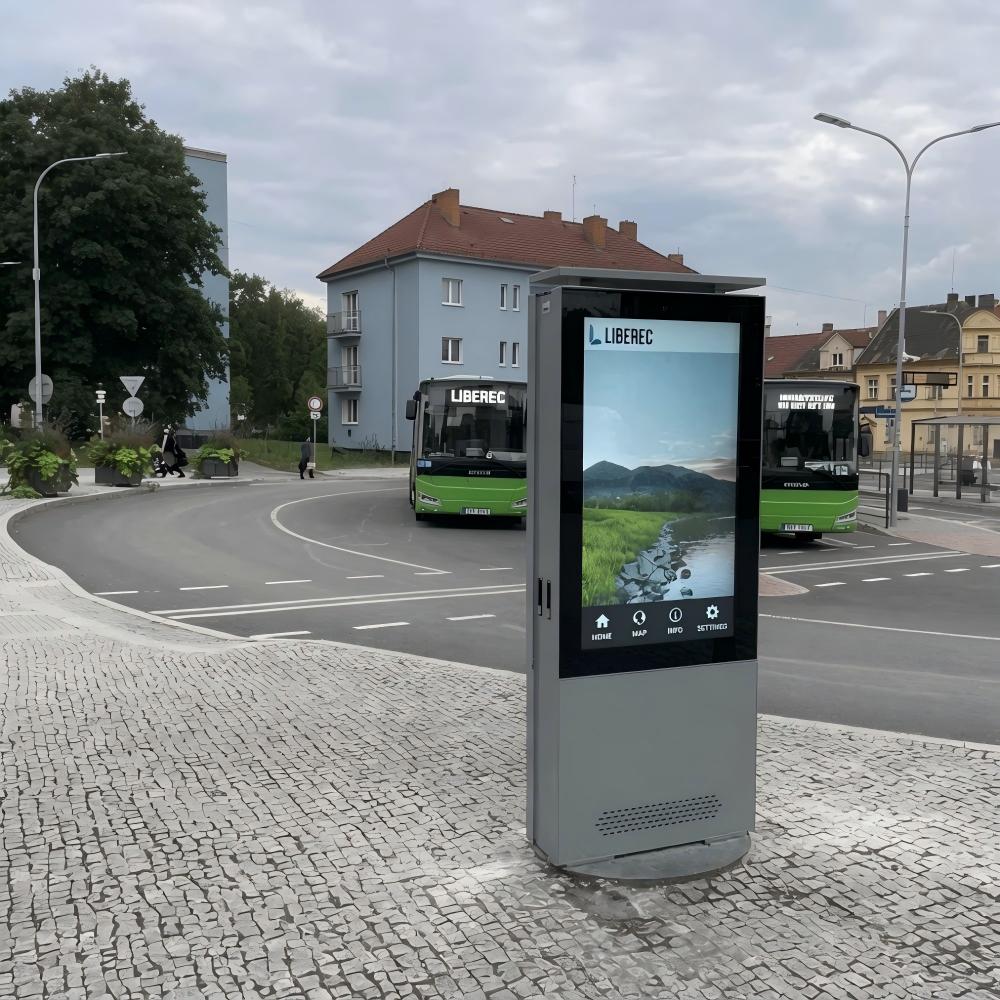 2026-06-30What is High Haze Anti-Glare Glass for Advertising Displays?
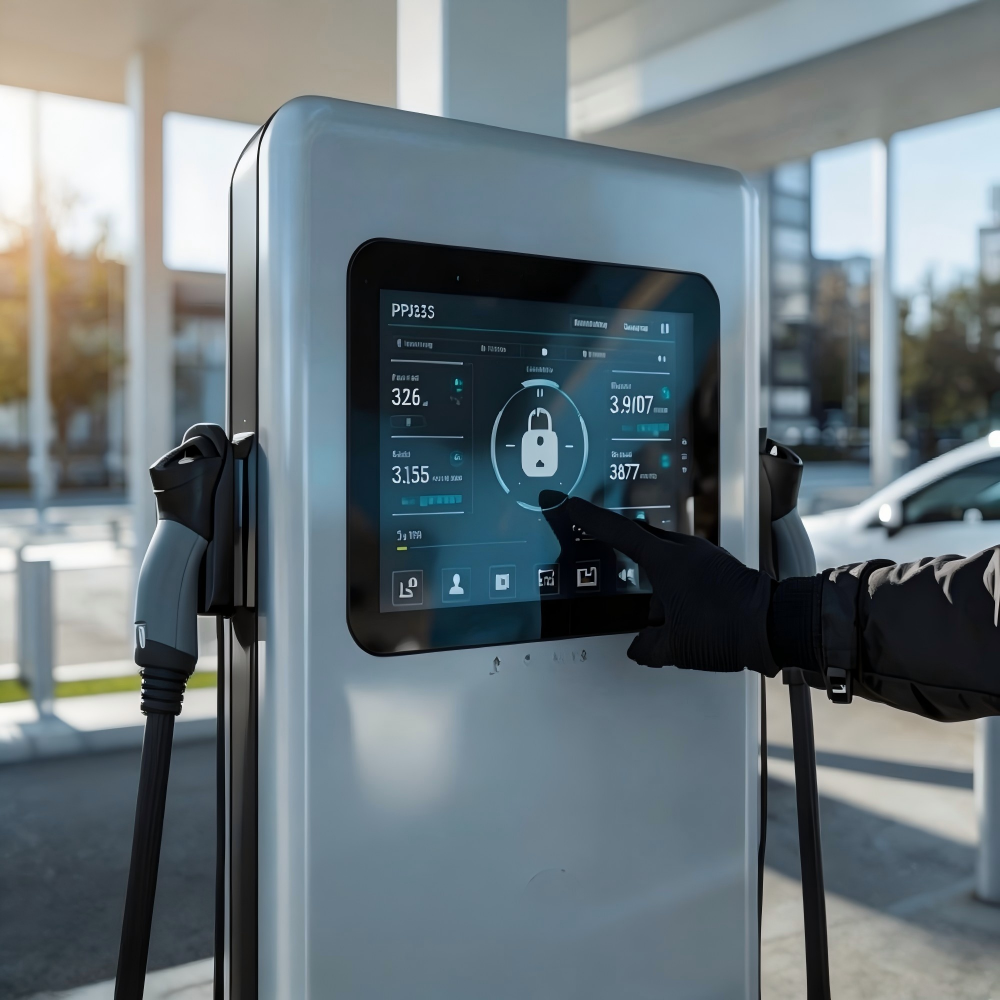 2026-06-30Optimizing Display Legibility for Outdoor EV Charging Infrastructure: A Technical Guide to Sunlight-Readable LCD Design
 2026-06-29How Curved LCD Displays Ensure 24/7 Reliability in High-Traffic Gaming Environments
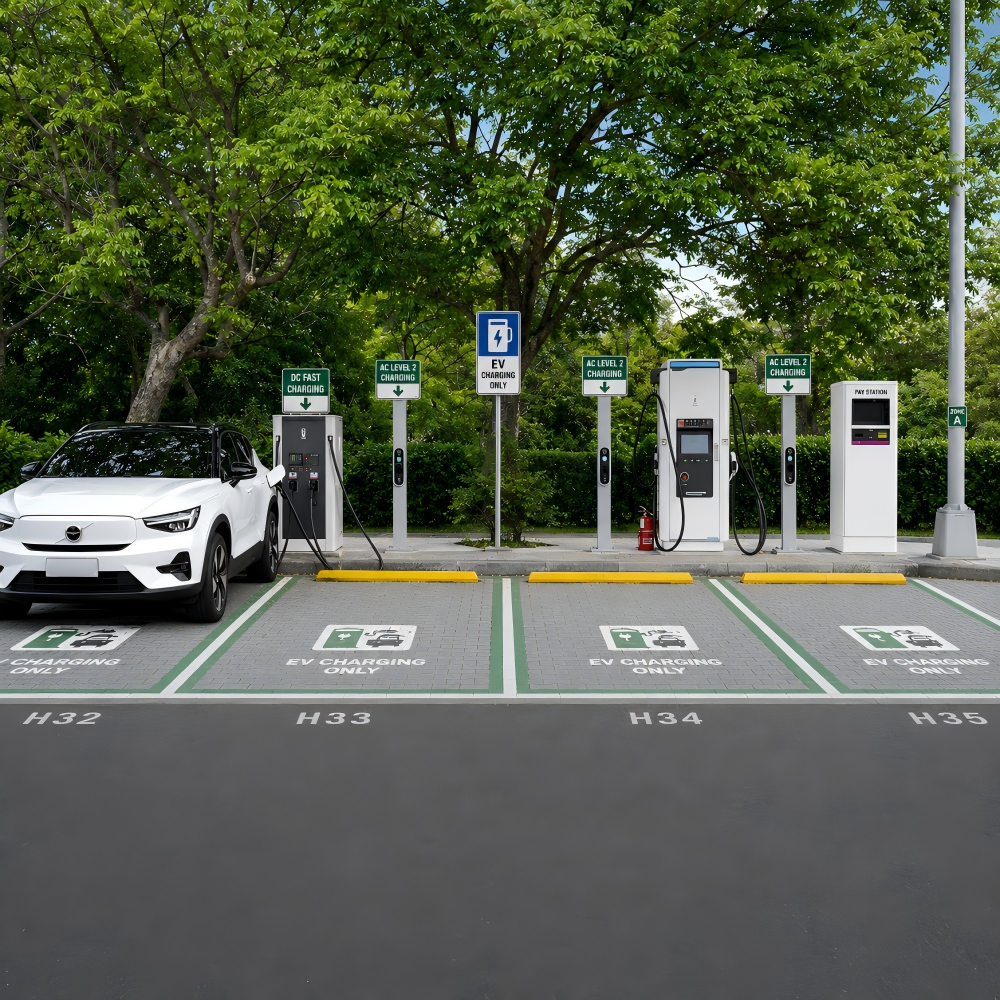 2026-06-23How Many Nits of Brightness Are Required for an EV Charging Station Display to Be Sunlight-Readable?
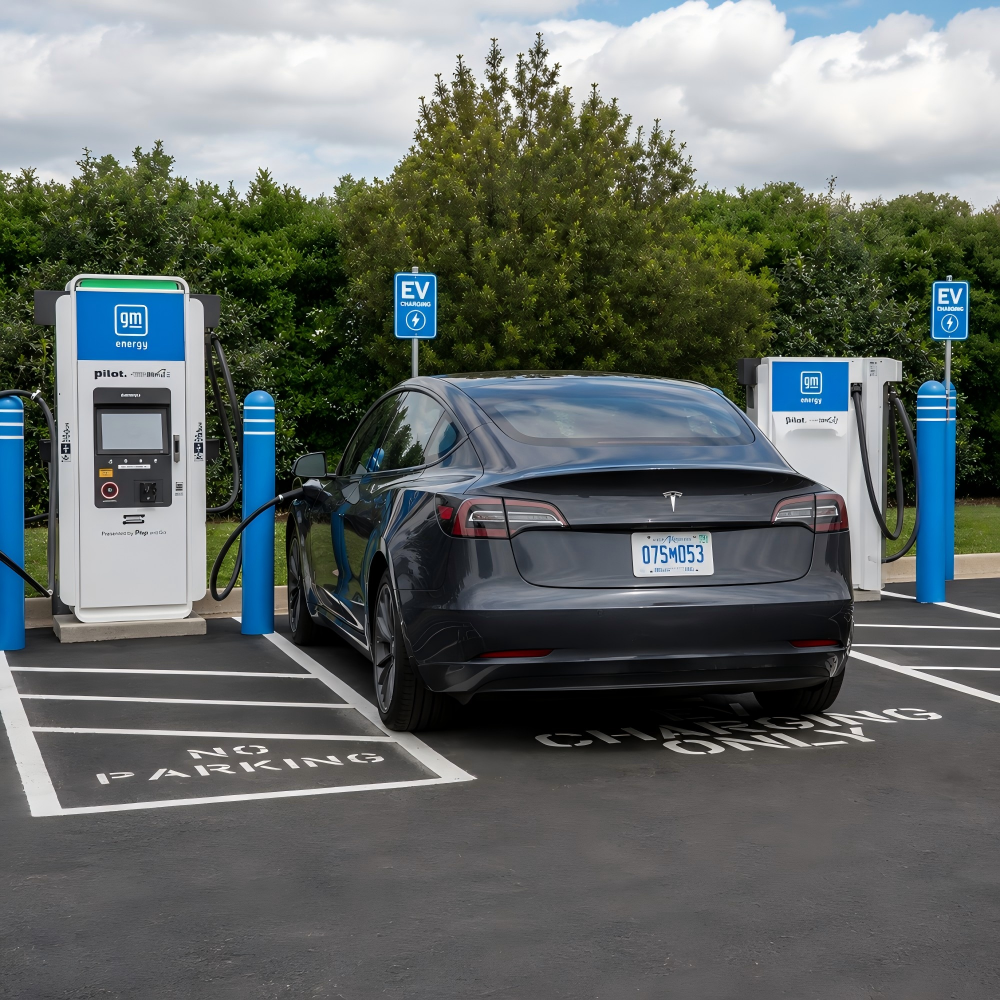 2026-06-23What Touch Technology Is Best for EV Charging Station LCD Displays?


Products
Commercial LCD Display
Gaming LCD Module
Outdoor Display
MINI-LED LCD Display
High Resolution Medical Display
OLED Display
Total Solutions
E-ink LCD Display
Desk VR Monitor
Service
Custom Touch Screen Solutions
Customized Frames & Protective Cover Glass
LCD Driver Board & Accessory Customization
Contact us
Contact Us
Copyright © 2025 Shenzhen Aptus Technology Co.,Ltd All Rights Reserved.

-
Inquire
- Top