Professional commercial display solution provider

- Home
-
Products
Professional commercial display solutions
-
About us
In good faith to customers
-
Service
Provide professional and meaningful advice
-
Knowledge Center
Innovation for development
- Contact us
How Can LCD Displays Be Customized for Different Commercial Devices?
How Can LCD Displays Be Customized for Different Commercial Devices?
Commercial devices often have very different display requirements. A large digital signage system may require high brightness and a large viewing area, while a self-service kiosk may need touch integration and protective glass. Transportation information displays may require wide-temperature operation and strong outdoor visibility, while retail advertising displays may prioritize optical performance, viewing angles, and long-term operation.
For commercial equipment manufacturers, a standard LCD module may not always fit the mechanical, optical, electrical, or environmental requirements of the final product. LCD customization allows the display to be adapted to the actual requirements of the commercial device, from display size and resolution to brightness, touch, optical bonding, driver boards, cables, cover glass, and mechanical structures.
Why Do Commercial Devices Need Customized LCD Displays?
A commercial display is not simply an LCD panel installed inside an enclosure. The display needs to work together with the host system, mechanical structure, touch interface, protective components, and operating environment.
A standard LCD may have the correct resolution but still have problems such as:
-
The display dimensions do not match the enclosure
-
Brightness is insufficient for the installation environment
-
The LCD interface does not match the controller
-
The standard cable is too short or incorrectly positioned
-
The touch panel does not fit the cover glass
-
The display cannot meet the required temperature range
-
Reflections reduce readability
-
Mounting holes do not match the equipment structure
-
The driver board requires a different input interface
LCD customization addresses these requirements by adapting the display assembly to the customer's system.
For Duobond Display, customization services cover areas such as touch panels, protective cover glass, customized frames, LCD driver boards, accessories, and related display integration.
Customize the Display Size and Resolution
Display size is one of the most important factors when developing commercial equipment.
Large commercial devices may use 15.6-inch, 18.5-inch, 21.5-inch, 23.8-inch, 27-inch, 32-inch, or larger displays depending on the application.
For example, Duobond's outdoor display portfolio currently includes 15.6-inch, 18.5-inch, 21.5-inch, and 27-inch LCD configurations, including Full HD models.
The correct resolution should be selected according to the screen size, viewing distance, content, and system requirements.
| Commercial Device | Key LCD Customization Requirements |
|---|---|
| Self-service kiosk | Large display size, touch integration, brightness, protective glass |
| Digital signage | Large screen size, brightness, viewing angle, long-term operation |
| Retail advertising display | High brightness, wide viewing angle, optical treatment |
| Transportation information display | Brightness, wide-temperature operation, optical performance |
| Public information terminal | Large display area, touch compatibility, durability |
| Interactive commercial display | Touch panel, cover glass, optical bonding, customized interface |
| Outdoor commercial display | High brightness, wide-temperature operation, AG/AR, thermal management |
The display should therefore be selected according to the complete equipment design rather than choosing a panel based only on its diagonal size.
Customize Brightness for Different Commercial Environments
Brightness requirements vary significantly between commercial applications.
A large display installed inside a shopping mall may operate under controlled lighting conditions. A retail advertising display located near a storefront may require higher brightness because of strong ambient light. An outdoor digital signage system can require substantially higher brightness to remain readable under direct sunlight.
Duobond's outdoor display portfolio includes 1000 cd/m² and 1500 cd/m² configurations. For example, its 21.5-inch and 27-inch Full HD outdoor LCD modules are specified at 1500 cd/m², while its 15.6-inch and 18.5-inch configurations include 1000 cd/m² options.
However, brightness should not be considered independently.
Practical readability also depends on:
-
Ambient light
-
Direct sunlight
-
Viewing distance
-
Contrast ratio
-
Display orientation
-
Anti-glare treatment
-
Anti-reflective treatment
-
Cover glass
-
Optical bonding
A customized display can therefore be designed around the actual lighting environment instead of simply maximizing brightness.
Customize the Viewing Angle
Commercial displays are often viewed by multiple people from different positions.
A digital signage display in a shopping center may be viewed from the side while people are walking past it. A transportation information display may need to remain readable from different positions on a platform. A large self-service kiosk may also be approached from different angles.
A wide viewing angle helps maintain consistent image quality when the viewer is not directly in front of the LCD.
When specifying a customized commercial LCD, consider:
-
Horizontal viewing angle
-
Vertical viewing angle
-
Contrast performance
-
Color consistency
-
Installation height
-
Viewing distance
-
Typical user position
Duobond's current outdoor LCD products include configurations with viewing angles of 85° or 89° in four directions, depending on the model.
Integrate a Custom Touch Panel
Many large commercial displays are designed for interactive applications.
Examples include:
-
Self-service kiosks
-
Interactive advertising displays
-
Public information terminals
-
Retail information displays
-
Commercial wayfinding systems
-
Interactive digital signage
A touch panel can be integrated with the LCD according to the requirements of the final device.
Projected capacitive touch technology is commonly used for interactive commercial displays because it supports intuitive touch interaction and can provide multi-touch functionality.
When customizing a touch display, the complete stack-up should be considered:
LCD + touch sensor + adhesive + cover glass + optical bonding + mechanical frame
The thickness and construction of these layers can affect touch sensitivity, optical performance, mechanical dimensions, and final product appearance.
Duobond lists custom touch-panel solutions as part of its display service offering.
Customize the Cover Glass
The front cover glass is another important part of a commercial display assembly.
For a large interactive kiosk or advertising display, standard cover glass may not match the equipment's dimensions or design.
Customized cover glass can be designed according to:
-
Overall dimensions
-
Glass thickness
-
Surface treatment
-
Edge shape
-
Mounting requirements
-
Printed decorative areas
-
Touch requirements
-
Protection requirements
For commercial equipment installed in public environments, the cover glass may also need to withstand repeated interaction and normal mechanical contact.
The cover glass should be developed together with the LCD and touch panel because changing the glass thickness or optical structure can affect touch performance and image quality.
Use Optical Bonding for Demanding Applications
Optical bonding can be considered when the commercial display needs improved optical performance.
Traditional display assemblies may contain air gaps between the LCD, touch panel, and cover glass. These gaps can increase internal reflections and reduce perceived image clarity in bright environments.
Optical bonding connects the display layers using optical adhesive, helping reduce internal reflections and improve the visual relationship between the LCD and cover glass.
It can be considered for:
-
Outdoor digital signage
-
High-brightness kiosks
-
Interactive advertising displays
-
Transportation information displays
-
Retail advertising displays
-
Public information terminals
Optical bonding should be selected based on the complete display construction and environmental requirements rather than treated as an independent upgrade.
Customize the LCD Driver Board
The LCD panel and the customer's host system do not always use the same signal architecture.
A customized driver board can help connect the LCD to the system's video source.
Depending on the project, the driver board may need to support specific input interfaces and functions.
Potential requirements include:
-
Video input interface
-
LCD output interface
-
Resolution support
-
Backlight control
-
Brightness adjustment
-
OSD functions
-
Power management
-
Touch communication
-
Firmware configuration
For example, a commercial display system may use an HDMI input while the selected LCD panel uses LVDS. In this situation, an appropriate controller or conversion solution may be required between the host system and LCD panel.
Driver-board customization is particularly useful when a commercial device has an existing control architecture that needs to be retained.
Customize Interface Cables
Cable configuration can become an important engineering issue when integrating an LCD into a commercial device.
The standard cable supplied with an LCD may not match the equipment's internal layout.
Customization can include:
-
Cable length
-
Connector type
-
Pin configuration
-
Connector orientation
-
Cable routing
-
Shielding
-
Connector position
For large commercial displays, cable routing can be affected by the display enclosure, driver-board position, mounting structure, and ventilation design.
A customized cable can help simplify installation and reduce unnecessary internal wiring.
Customize the Mechanical Frame
Mechanical integration is another major area of LCD customization.
A commercial LCD may need to be installed into an existing kiosk, digital signage enclosure, advertising machine, or transportation information system.
The mechanical structure can be customized around requirements such as:
-
Overall dimensions
-
Mounting holes
-
Brackets
-
Frame structure
-
Bezel
-
Open-frame installation
-
Metal housing
-
Connector positioning
This is particularly important for commercial equipment manufacturers because the LCD assembly needs to fit precisely within the final enclosure.
Duobond's listed service capabilities include customized frames and protective cover glass, supporting mechanical integration for commercial display projects.
Customize Displays for Outdoor Commercial Applications
Outdoor commercial equipment requires additional display considerations.
Displays installed outdoors may be exposed to direct sunlight, temperature changes, dust, moisture, and heat accumulated inside an enclosure.
Important customization requirements can include:
-
High brightness
-
Wide operating temperature
-
Anti-glare treatment
-
Anti-reflective treatment
-
Optical bonding
-
Protective cover glass
-
Thermal management
-
Suitable enclosure integration
Duobond's outdoor display range includes a 15.6-inch 1920 × 1080 model with 1000 cd/m² brightness and a -40°C to +85°C operating temperature range. Its 18.5-inch, 21.5-inch, and 27-inch outdoor models provide additional brightness and temperature configurations.
The LCD specification should still be evaluated together with the complete commercial equipment because the temperature inside an enclosure can differ substantially from the surrounding outdoor temperature.
Customize the Display for Digital Signage
Digital signage has specific requirements because the display is often used to attract attention and deliver information from a distance.
Depending on the installation, customization may focus on:
-
Large display size
-
High brightness
-
Full HD or higher resolution
-
Wide viewing angles
-
Long operating hours
-
Anti-glare treatment
-
Optical bonding
-
Customized mounting structure
Outdoor digital signage may require higher brightness and wider temperature capability than indoor signage.
For outdoor applications, Duobond's current outdoor LCD portfolio includes 1000-nit and 1500-nit configurations in sizes from 15.6 inches upward.
Customize the Display for Self-Service Kiosks
Large self-service kiosks require both visual clarity and reliable user interaction.
The display assembly may include:
LCD + touch panel + cover glass + optical bonding + driver board + cables + frame
Important specifications include:
-
Display size
-
Resolution
-
Brightness
-
Touch technology
-
Cover-glass thickness
-
Viewing angle
-
Optical treatment
-
Mechanical mounting
-
Interface compatibility
-
Operating temperature
For kiosks installed outdoors or near building entrances, high brightness and optical treatment become especially important because ambient light can change significantly throughout the day.
Customize the Display for Transportation Information Systems
Transportation displays may be installed in railway stations, bus stops, terminals, parking facilities, and other public environments.
These systems may require:
-
High brightness
-
Wide viewing angles
-
Wide-temperature operation
-
Long operating hours
-
Anti-reflective treatment
-
Optical bonding
-
Robust mechanical integration
-
Compatible controller interfaces
The required configuration depends on whether the display is installed indoors, under a covered platform, or directly exposed to outdoor conditions.
Customize the Display for Retail Advertising
Retail environments require displays that remain visually effective under different lighting conditions.
Large retail advertising displays may need customized:
-
Brightness
-
Resolution
-
Cover glass
-
Anti-glare treatment
-
Viewing angle
-
Frame
-
Mounting structure
-
Driver board
Displays positioned near storefront windows or entrances may require higher brightness than displays installed deeper inside a retail environment.
Integrate the Complete Display Assembly
For some commercial projects, customizing only the LCD panel is not enough.
The customer may need a complete display assembly containing:
LCD module + touch panel + cover glass + optical bonding + driver board + cables + mechanical frame
Integrating these components as one display solution can simplify the customer's assembly process and reduce compatibility issues between individual components.
It can also allow the optical, mechanical, electrical, and touch requirements to be evaluated together during development.
How Does the LCD Customization Process Work?
A structured customization process helps reduce engineering problems during development.
Define the Commercial Application
The first step is to identify the final equipment and its operating environment.
The manufacturer should provide:
-
Application type
-
Indoor or outdoor installation
-
Required screen size
-
Viewing distance
-
Touch requirements
-
Expected operating hours
-
Temperature conditions
-
Brightness requirements
-
Installation dimensions
-
Target production quantity
Confirm the LCD Specifications
The next step is to determine the basic LCD configuration:
-
Display size
-
Resolution
-
Brightness
-
Viewing angle
-
Interface
-
Active area
-
Overall dimensions
-
Operating temperature
-
Backlight requirements
Design Supporting Components
After the LCD is selected, the supporting components can be developed around it.
These may include:
-
Touch panel
-
Cover glass
-
Optical bonding
-
Driver board
-
Signal cables
-
Mechanical frame
-
Metal housing
Build and Test Samples
Before mass production, the customized display should be tested in the actual commercial equipment.
Testing can include:
-
Image quality
-
Touch performance
-
Brightness
-
Interface compatibility
-
Mechanical fit
-
Thermal performance
-
Optical readability
-
Long-duration operation
Finalize Mass Production
Once the customized display passes validation, production specifications can be finalized.
For commercial equipment manufacturers, it is also important to consider product lifecycle, supply consistency, replacement requirements, packaging, and technical support before entering volume production.
What Information Should You Provide to an LCD Manufacturer?
Providing complete project information allows the display manufacturer to evaluate the appropriate customization solution more efficiently.
| Requirement | Information to Provide |
|---|---|
| Display size | Required diagonal size or available installation area |
| Resolution | Target pixel resolution |
| Brightness | Required luminance |
| Interface | LVDS, eDP, MIPI, HD-MI, etc. |
| Touch | PCAP, resistive, or no touch |
| Cover glass | Size, thickness, treatment, printing |
| Optical | AG, AR, AF, optical bonding |
| Mechanical | Frame, mounting holes, housing dimensions |
| Temperature | Minimum and maximum operating temperature |
| Environment | Indoor, semi-outdoor, or outdoor |
| Quantity | Prototype and estimated production volume |
| Application | Final commercial device and operating conditions |
The more accurately these requirements are defined, the easier it is to determine whether a standard LCD module, partially customized display, or fully integrated display assembly is appropriate.
Frequently Asked Questions
Can a standard LCD module be customized for a commercial device?
Yes. Depending on the LCD platform and project requirements, customization can include brightness, touch integration, cover glass, optical bonding, driver boards, cables, frames, and other supporting components.
Can LCD brightness be customized?
High-brightness LCD configurations can be selected for applications requiring improved visibility under strong ambient light. The required brightness should be determined together with optical treatment, thermal conditions, viewing distance, and installation environment.
Can a touch panel be added to a large commercial LCD?
Yes. A compatible touch panel can be integrated with a commercial LCD. The touch sensor, cover glass, adhesive, controller, and mechanical structure should be evaluated as one system.
Can the LCD driver board be customized?
Yes. A customized driver board or signal-conversion solution can be developed when the standard LCD interface does not directly match the customer's system architecture.
Can the cover glass and frame be customized?
Yes. Cover-glass dimensions, thickness, surface treatment, mounting structure, frames, brackets, and other mechanical components can be customized according to the equipment design.
Is optical bonding suitable for outdoor commercial displays?
Optical bonding can be considered for outdoor commercial displays when reducing internal reflections and improving optical integration are important. The complete LCD, touch panel, cover glass, adhesive, and enclosure configuration should be evaluated together.
What commercial devices can use customized LCD displays?
Customized LCD displays can be developed for large commercial applications such as digital signage, self-service kiosks, retail advertising displays, transportation information systems, public information terminals, interactive commercial displays, and outdoor advertising equipment.
Conclusion
LCD customization allows commercial equipment manufacturers to adapt the display to the actual requirements of their products rather than redesigning the entire device around a standard LCD module.
For 15.6-inch and larger commercial devices, customization can cover much more than screen size. Brightness, resolution, viewing angle, touch integration, cover glass, optical bonding, driver boards, cables, interfaces, mechanical frames, and environmental performance can all influence the final display solution.
The most effective approach is to define the complete application first and then design the LCD assembly around the equipment's electrical, optical, mechanical, and environmental requirements.
Duobond Display provides commercial display customization services covering custom touch solutions, protective cover glass, customized frames, LCD driver boards, accessories, and display integration. Its outdoor display portfolio also includes 15.6-inch and larger high-brightness LCD configurations designed for applications such as outdoor advertising, information kiosks, transportation displays, and other demanding commercial environments.
For manufacturers developing large kiosks, digital signage, retail advertising displays, transportation information systems, public information terminals, or outdoor commercial displays, you can learn more about Duobond Display's LCD customization services and discuss the required display specifications, mechanical structure, optical configuration, and integration requirements.
Recommended reading
 2026-06-30What is High Haze Anti-Glare Glass for Advertising Displays?
 2026-06-30Optimizing Display Legibility for Outdoor EV Charging Infrastructure: A Technical Guide to Sunlight-Readable LCD Design
 2026-06-29How Curved LCD Displays Ensure 24/7 Reliability in High-Traffic Gaming Environments
 2026-06-23How Many Nits of Brightness Are Required for an EV Charging Station Display to Be Sunlight-Readable?
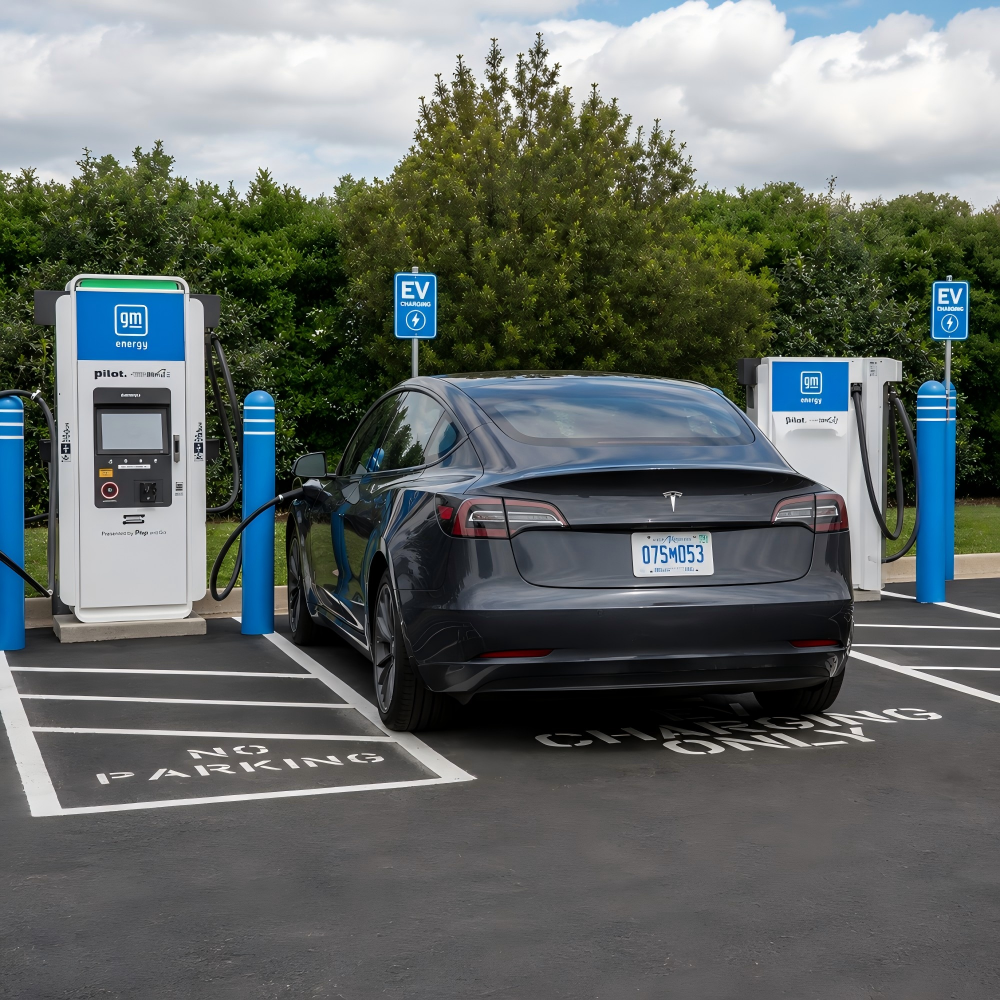 2026-06-23What Touch Technology Is Best for EV Charging Station LCD Displays?
Products
Commercial LCD Display
Gaming LCD Module
Outdoor Display
MINI-LED LCD Display
High Resolution Medical Display
OLED Display
Total Solutions
E-ink LCD Display
Desk VR Monitor
Service
Custom Touch Screen Solutions
Customized Frames & Protective Cover Glass
LCD Driver Board & Accessory Customization
Contact us
Contact Us
Copyright © 2025 Shenzhen Aptus Technology Co.,Ltd All Rights Reserved.

-
Inquire
- Top