Professional commercial display solution provider

- Home
-
Products
Professional commercial display solutions
-
About us
In good faith to customers
-
Service
Provide professional and meaningful advice
-
Knowledge Center
Innovation for development
- Contact us
What Is Wide Temperature LCD Technology?
What Is Wide Temperature LCD Technology?
Wide Temperature LCD Technology refers to specialized Liquid Crystal Display (LCD) panels and modules designed to operate reliably across extreme temperature ranges, far beyond standard consumer-grade displays. Typical commercial LCDs perform well in controlled indoor environments (roughly 0°C to 50°C), but wide temperature variants are engineered for demanding conditions, commonly supporting operating ranges such as -30°C to +80°C or -40°C to +85°C, with storage temperatures often extending further.
These displays maintain consistent image quality, response times, contrast, brightness stability, and electrical performance even under rapid or prolonged temperature fluctuations. They are essential for commercial display applications where reliability in varying environments is critical, such as outdoor installations and public-facing systems.
Why Temperature Is a Critical Challenge for Standard LCDs
LCD technology uses liquid crystal (LC) molecules between glass substrates, polarizers, thin-film transistors (TFTs), and a backlight. Temperature significantly impacts performance:
- Low Temperatures: LC fluid viscosity increases, causing sluggish response times, motion blur, ghosting, reduced contrast, and potential "frozen" images until warmed up.
- High Temperatures: Heat leads to material degradation, polarizer issues, backlight inefficiency, color shifts, or permanent damage like blackening.
Standard displays use materials optimized for room temperature. Wide temperature LCDs overcome these limitations through advanced engineering across the full display stack.
How Wide Temperature LCD Technology Works
Key technical enhancements include:
- Advanced Liquid Crystal Mixtures: Specialized low-viscosity, wide-nematic-range formulations that maintain fluidity and alignment stability across broad temperature spans.
- TFT Backplane Optimizations: Improved materials (such as advanced TFT processes) for stable performance under thermal stress.
-
Enhanced Optical and Mechanical Components:
- Heat-resistant polarizers and films.
- Robust adhesives to prevent delamination.
- High-efficiency, thermally stable LED backlights, often with high-brightness options (700–3500+ nits) for sunlight readability.
- Temperature sensors, heaters, or compensation circuits for reliable cold starts.
- Structural Features: Reinforced designs, optical bonding, anti-glare/anti-reflective coatings, and durable enclosures (often IP55/IP65+ rated).
- Driver Electronics: Temperature-compensated circuits that dynamically adjust performance.
The outcome is stable visuals, fast response, and long-term reliability in commercial 24/7 operations.
Typical Specifications Comparison:
- Standard Commercial LCD: Operating 0°C ~ +50°C.
- Wide Temperature LCD: Operating -30°C ~ +80/85°C (or broader); often paired with high-brightness and rugged features.
Key Benefits of Wide Temperature LCD Technology
- Reliability in Harsh Conditions: Performs consistently in outdoor or semi-exposed commercial settings.
- Consistent Visual Performance: Maintains clarity, color accuracy, and responsiveness year-round.
- Reduced Downtime: Minimizes failures in 24/7 digital signage and kiosk deployments.
- Versatility: Integrates well with touchscreens, various interfaces (LVDS, HDMI, etc.), and high-brightness modes.
- Lower Total Cost of Ownership: Higher initial investment offset by fewer replacements and maintenance needs.
- Extended Longevity: Specialized materials resist thermal cycling degradation.
Application Scenarios for Wide Temperature LCDs in Commercial Displays
Wide temperature LCDs are ideal for commercial environments with temperature swings, direct sunlight, or exposure to the elements. Primary use cases include:
1. Outdoor Digital Signage and Advertising:
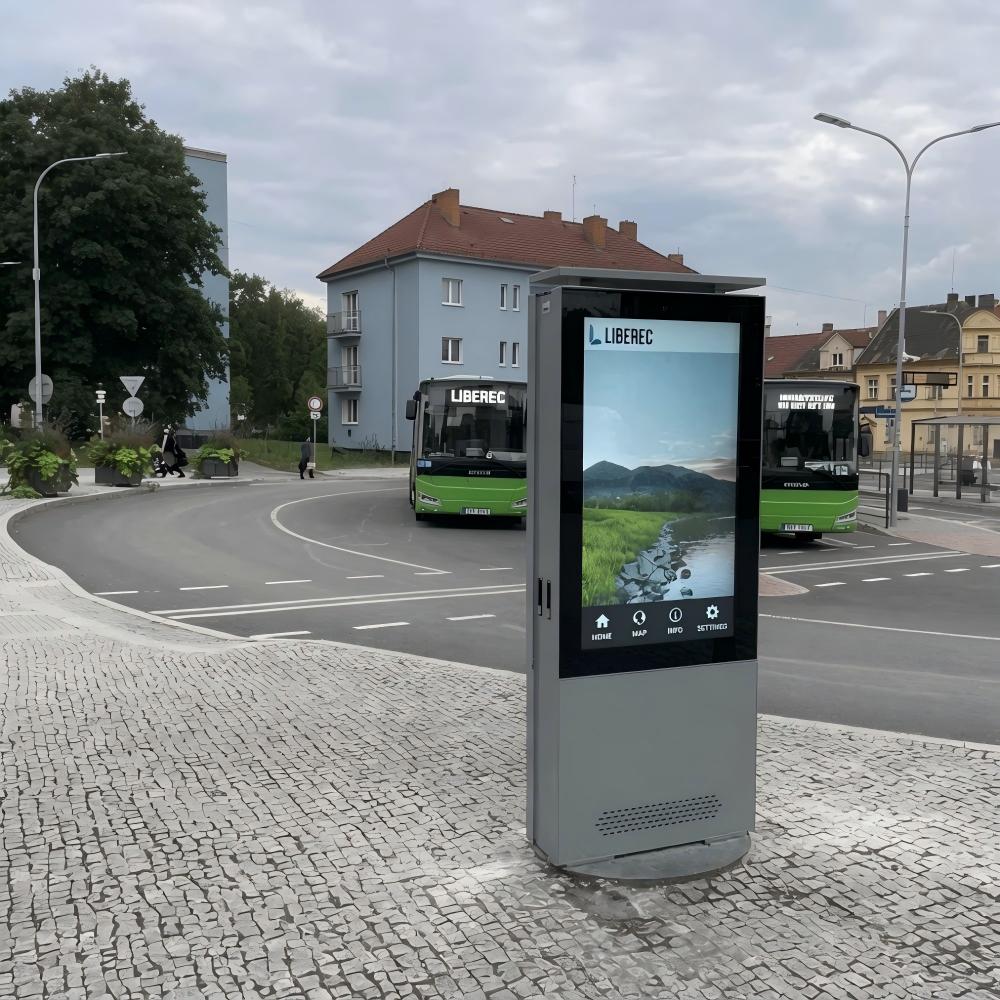
- Street-side billboards, building facades, drive-thru menus, and large-format advertising displays.
- These systems face direct sunlight, seasonal extremes, rain, and dust. Wide temperature panels combined with high-brightness backlights (2000–3500 nits) and IP-rated enclosures ensure content remains visible and operational 24/7.
2. Interactive Kiosks and Self-Service Terminals:
- Information kiosks in shopping malls, airports, train stations, tourist attractions, and public spaces.
- Outdoor or semi-outdoor ticketing, wayfinding, product information, and ordering kiosks that must handle day-night temperature changes and weather exposure while supporting reliable touch interaction.
3. Retail and Hospitality Environments:
- In-store digital signage, menu boards, and promotional displays in retail stores, restaurants, and hotels with variable conditions (e.g., near entrances or in open-air areas).
- Ensures consistent performance for customer-facing content even during extreme weather affecting indoor-outdoor transitions.
4. Transportation Hubs and Public Information Displays:
- Airport terminals, railway stations, bus depots, and stadiums featuring arrival/departure boards, advertising, and interactive directories.
- These high-traffic locations often have wide temperature variations due to open structures or outdoor elements.
5. Corporate and Commercial Building Applications:
- Lobby directories, conference center signage, and building management displays in facilities with less controlled environments.
- Ideal for installations near loading docks, atriums, or regions with significant seasonal temperature shifts.
In these scenarios, wide temperature LCDs are typically paired with smart thermal management (automatic heating/cooling), optical bonding for durability and visibility, and rugged enclosures to deliver uninterrupted service.
Comparison: Wide Temperature LCD vs. Alternatives
Wide temperature TFT-LCDs (especially IPS panels) provide the best balance for commercial sizes, dynamic content, brightness, and cost. Alternatives like high-brightness standard panels may suffice indoors but fail in extremes, while other technologies (e.g., certain OLEDs) may have trade-offs in longevity or power under commercial outdoor use.
Selection Guide and Best Practices
When choosing wide temperature LCDs for commercial projects:
- Specify exact operating/storage temperature requirements, factoring in enclosure heat buildup.
- Prioritize brightness for outdoor visibility, viewing angles, touch integration, and IP ratings.
- Request performance data: temperature vs. response time curves and reliability testing.
- Opt for full modules including backlight, touch, bonding, and controllers from experienced suppliers.
- Consider total system design: ventilation, heaters, and 24/7 operation testing.
Future Trends
Ongoing improvements in LC materials, higher resolutions, smarter thermal controls, and energy efficiency will expand applications in smart cities, retail transformation, and interactive public displays.
Conclusion
Wide Temperature LCD Technology elevates standard commercial displays into robust solutions capable of thriving in real-world conditions. By addressing thermal challenges through specialized materials and design, these displays deliver reliable, high-quality visuals for outdoor signage, interactive kiosks, retail, and public information systems—ensuring your commercial display installations remain operational and impactful regardless of environmental challenges.
This technology is a smart investment for businesses seeking durable, low-maintenance solutions in the competitive commercial display market.
Recommended reading
 2026-06-30What is High Haze Anti-Glare Glass for Advertising Displays?
 2026-06-30Optimizing Display Legibility for Outdoor EV Charging Infrastructure: A Technical Guide to Sunlight-Readable LCD Design
 2026-06-29How Curved LCD Displays Ensure 24/7 Reliability in High-Traffic Gaming Environments
 2026-06-23How Many Nits of Brightness Are Required for an EV Charging Station Display to Be Sunlight-Readable?
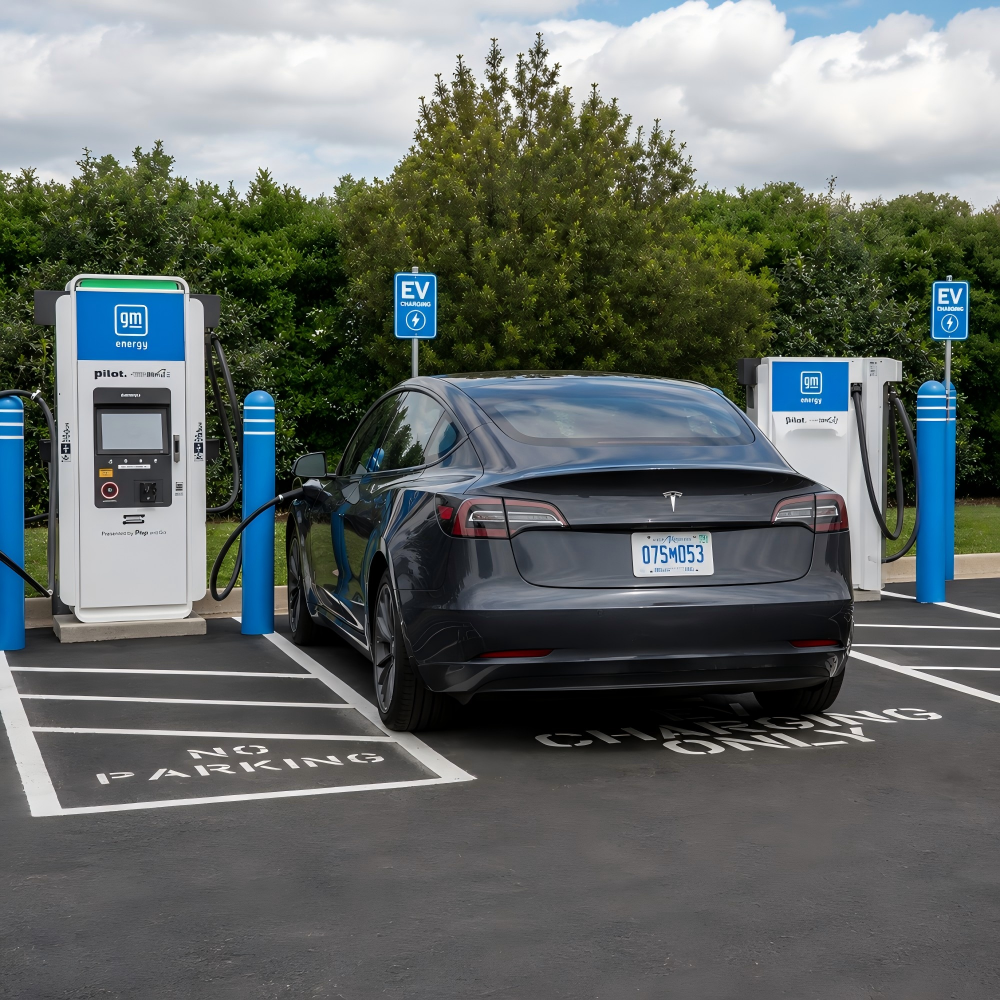 2026-06-23What Touch Technology Is Best for EV Charging Station LCD Displays?

Products
Commercial LCD Display
Gaming LCD Module
Outdoor Display
MINI-LED LCD Display
High Resolution Medical Display
OLED Display
Total Solutions
E-ink LCD Display
Desk VR Monitor
Service
Custom Touch Screen Solutions
Customized Frames & Protective Cover Glass
LCD Driver Board & Accessory Customization
Contact us
Contact Us
Copyright © 2025 Shenzhen Aptus Technology Co.,Ltd All Rights Reserved.

-
Inquire
- Top