Professional commercial display solution provider

- Home
-
Products
Professional commercial display solutions
-
About us
In good faith to customers
-
Service
Provide professional and meaningful advice
-
Knowledge Center
Innovation for development
- Contact us
How to Improve Sunlight Readability on LCD Displays?
How to Improve Sunlight Readability for Outdoor LCD Displays?
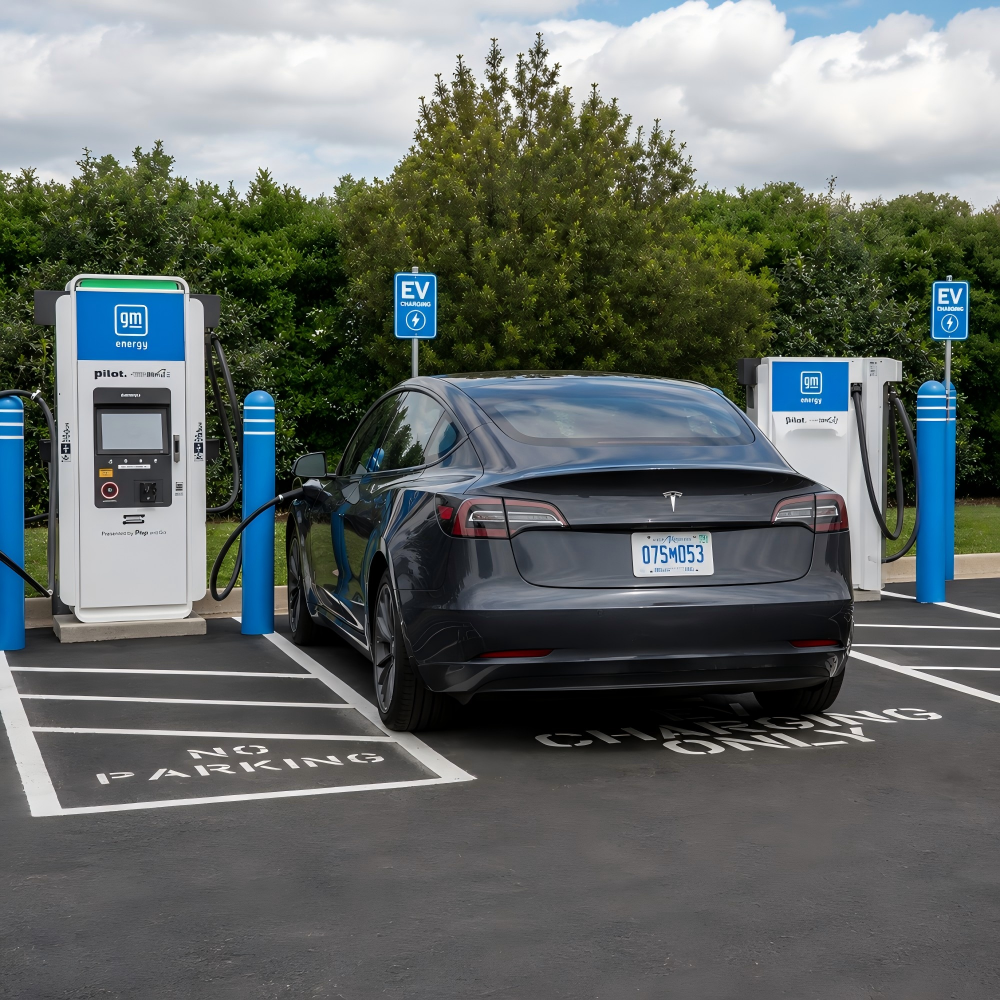
Have you ever walked up to an outdoor EV charging pile or a digital billboard on a bright summer day, only to find the screen completely washed out, dark, or reflective like a mirror?
For manufacturers and engineers designing outdoor kiosks, smart parking systems, and commercial digital signage, sunlight readability is not just a feature—it is a critical requirement that directly impacts user experience and equipment longevity.
In this guide, we will break down the core optical metrics required for outdoor displays and explore the industry’s most effective hardware and structural solutions to conquer glare and intense sunlight.
1. Quick Summary: The Core Metrics of Sunlight Readability
To make an LCD screen readable under direct sunlight, you cannot rely on a single parameter. It requires a balance of three core optical metrics:
-
Luminance (Brightness): While indoor screens only need $250 sim 350 ext{ nits}$, an outdoor display requires a minimum of 1000 - 1500nits for shaded areas, and 2000 - 3000nits for direct, unshaded sunlight.
-
Contrast Ratio (CR): High brightness is useless without contrast. In outdoor environments, the effective contrast ratio must be maintained at 5:1 or higher (ideally 10:1) for text and graphics to remain legible.
-
Reflectance (Reflection Rate): Standard glass reflects about 4% to 8% of ambient light. To battle the sun (which can reach $100,000 ext{ lux}$), the total surface reflectance of the display assembly must be reduced to under 2%, and ideally below 1%.
2. Why Do Screens Become Unreadable in Sunlight? (The Root Cause)
The primary enemy of sunlight readability is ambient light reflection.
An LCD monitor consists of multiple layers: the protective cover glass, the touch panel (if applicable), and the actual LCD cell. In traditional displays, these layers are separated by thin gaps of air.
When intense sunlight strikes the screen, it passes through these different materials. Every time light transitions from glass to air (or air to glass), a massive amount of light is reflected back into the user’s eyes. This specular reflection acts like a blanket of white light, completely overpowering the light emitted by the LCD’s backlight and dropping the contrast ratio to near zero.
3. Core Technologies to Improve Sunlight Readability
To achieve pristine clarity outdoors, industrial display engineers use a combination of three hardware-level treatments.
Technology 1: High-Brightness LED Backlighting (Hardware Boost)
The most direct way to counter the sun is to overpower it. By increasing the density of LED die packages and upgrading the backlight driving current, industrial screens can achieve ultra-high brightness (1500 to 3500 nits.
-
The Catch: High brightness generates immense heat and consumes high power. It must be paired with high-efficiency cooling systems to prevent thermal failure.
Technology 2: Anti-Reflective (AR) & Anti-Glare (AG) Coatings (Surface Treatment)
Applying specialized optical coatings to the outer cover glass greatly reduces incoming reflections:
-
AR (Anti-Reflection) Coating: Uses destructive light interference principles to allow more light to pass through the glass rather than reflecting off it, dropping surface reflection significantly.
-
AG (Anti-Glare) Coating: Uses a microscopic rough surface to break up specular (mirror-like) reflections into diffuse reflections. It prevents the sun from creating blinding hotspots on the screen.
Technology 3: Optical Bonding (The Structural Game-Changer)
Traditional displays use "Air Bonding" (frame taping), leaving a physical air gap between the cover glass and the LCD panel.
Optical Bonding replaces this air gap entirely by injecting a specialized, optically clear adhesive (OCA or OCR) to fuse the cover glass directly onto the LCD cell. Because the refractive index of the optical glue perfectly matches the glass, internal light reflections are reduced by up to 99%.
[Traditional Air Bonding]           [Advanced Optical Bonding]
  Sunlight                             Sunlight
    ↓                                    ↓
┌───────────────┐                    ┌───────────────┐
│  Cover Glass  │                    │  Cover Glass  │
├───────────────┤                    ├───────────────┤
│    Air Gap    │ ◄── 90% Reflection │  Optical Glue │ ◄── Reflections Eliminated!
├───────────────┤                    ├───────────────┤
│   LCD Panel   │                    │   LCD Panel   │
└───────────────┘                    └───────────────┘
At Duobond Display, our advanced industrial-grade optical bonding technology is specifically designed for large-format outdoor screens. By eliminating the air-to-glass interface, Duobond drastically boosts the outdoor effective contrast ratio without needing to draw excessive power for the backlight.
4. Scenario-Based Selection Guide for Outdoor Large Displays
Outdoor kiosks and commercial terminals face vastly different environmental stressors than consumer smartphones. Here is how to select the right configuration based on your specific B端 commercial application:
| Application | Brightness Requirement | Key Environmental Challenges | Recommended Technology Combo |
| EV Charging Piles / Fuel Dispensers | 1000 - 1500 nits |
• UI legibility for quick transactions • Users wearing polarized sunglasses • Condensation and internal moisture |
High-Bright Backlight + AR/AG Glass + Optical Bonding (Note: Adding a 1/4-wave polarizer layer prevents the screen from going completely black when viewed through sunglasses.) |
| Outdoor DOOH / Smart Bus Stations | 2000 - 3000+ nits |
• 24/7 unshaded solar radiation • Massive heat build-up • Drastic drop in contrast |
Ultra-High Brightness + High Tni (>85℃) LCD Panel + Forced Air Cooling + Optical Bonding (Note: Optical bonding also acts as a thermal bridge, helping conduct heat away from the LCD cell.) |
| Outdoor Kiosks / Smart Lockers | 1200 - 1800 nits |
• Touch responsiveness under direct light • Vandalism/Impact safety risks • Smudges and fingerprints |
High-Bright Backlight + Vandal-proof Cover Glass + AR/AF (Anti-Fingerprint) + Optical Bonding (Note: Optical bonding significantly improves the structural impact resistance of the front glass panel.) |
5. Hidden Engineering Challenges in Outdoor LCD Design
When designing an outdoor display system, you must look beyond optics and plan for these three hidden industrial risks:
1. Screen Blackening (High Tni Liquid Crystals)
When standard LCD panels are exposed to direct sunlight, they absorb solar energy like a black body. If the internal temperature of the liquid crystals exceeds their clearing point (typically around 70℃), the liquid crystals lose their properties, causing large, ugly black blotches on the screen. To prevent this, outdoor displays must utilize specialized High Tni (85℃ or 105℃) industrial-grade panels.
2. Moisture and Condensation (Internal Fogging)
In air-bonded screens, the daily cycle of day-time heat and night-time cooling creates humidity fluctuations within the display housing. This leads to internal condensation and fogging behind the cover glass, rendering the screen useless. Duobond’s optical bonding solution completely seals the display stack, making it physically impossible for moisture or dust to penetrate the layers.
3. UV Discoloration and Yellowing
The ultraviolet (UV) radiation in sunlight breaks down cheap commercial adhesives and polarizers over time, causing screens to turn yellow or suffer from optical delamination. Industrial outdoor screens must use UV-stabilized optical adhesives to ensure long-term optical clarity over years of operation.
Conclusion: Engineering Your Outdoor Display Success
Improving sunlight readability is not just about choosing the brightest panel available. It is a system-level engineering approach that requires reducing surface reflection, managing internal heat, and protecting the screen from moisture and UV degradation.
Implementing Optical Bonding alongside AR/AG surface treatments allows your outdoor hardware to deliver crisp, sunlight-readable visuals while maintaining low power consumption and rugged physical durability.
Looking for the Right Outdoor Display Solution?
At Duobond Display, we specialize in engineering and manufacturing rugged, high-brightness, optically bonded wide temperature highbrightness outdoor LCD solutions tailored for outdoor kiosks, EV charging stations, and industrial machinery.
Recommended reading
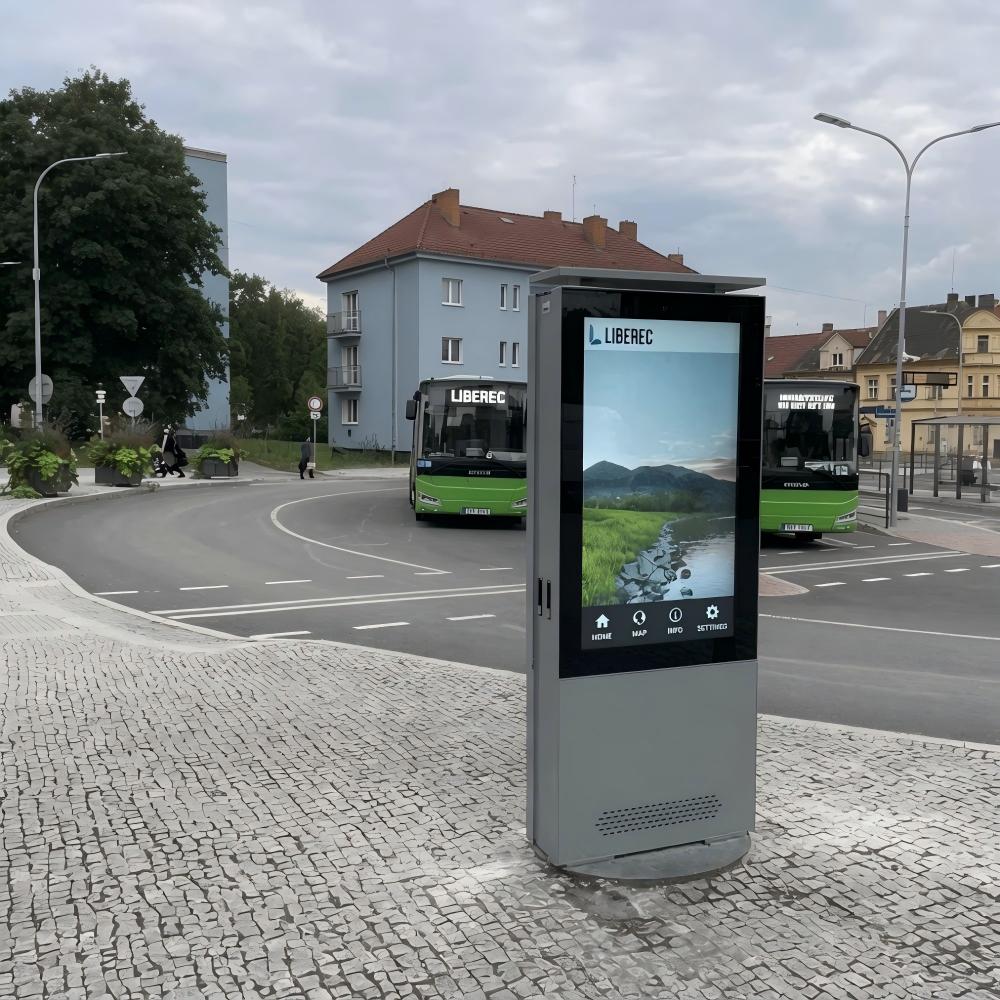 2026-06-30What is High Haze Anti-Glare Glass for Advertising Displays?
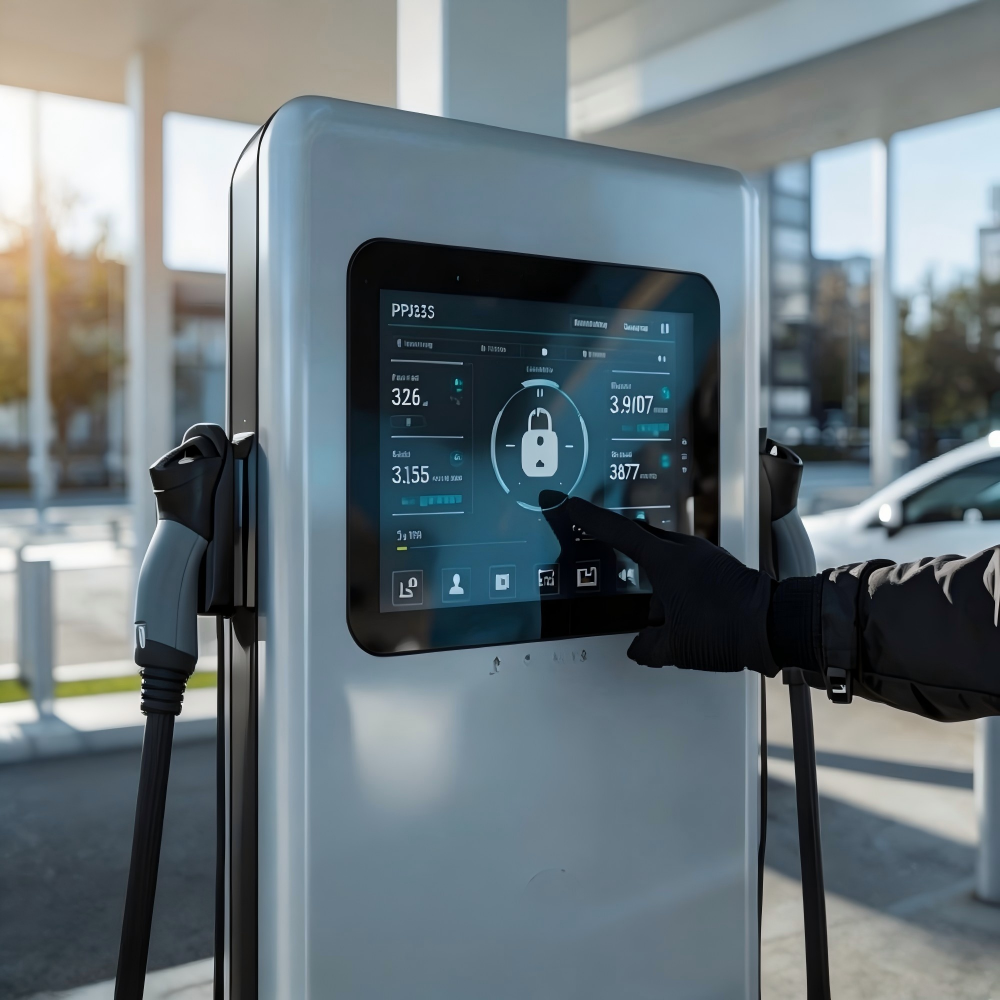 2026-06-30Optimizing Display Legibility for Outdoor EV Charging Infrastructure: A Technical Guide to Sunlight-Readable LCD Design
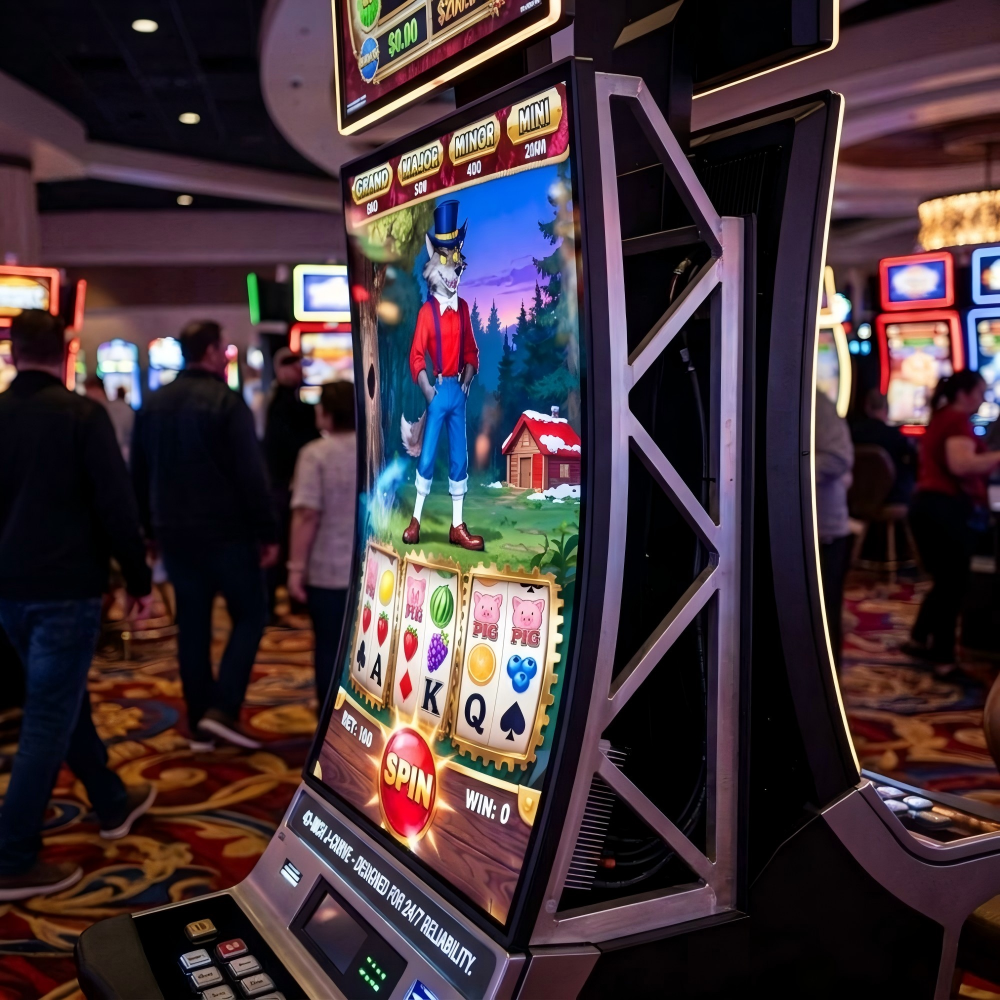 2026-06-29How Curved LCD Displays Ensure 24/7 Reliability in High-Traffic Gaming Environments
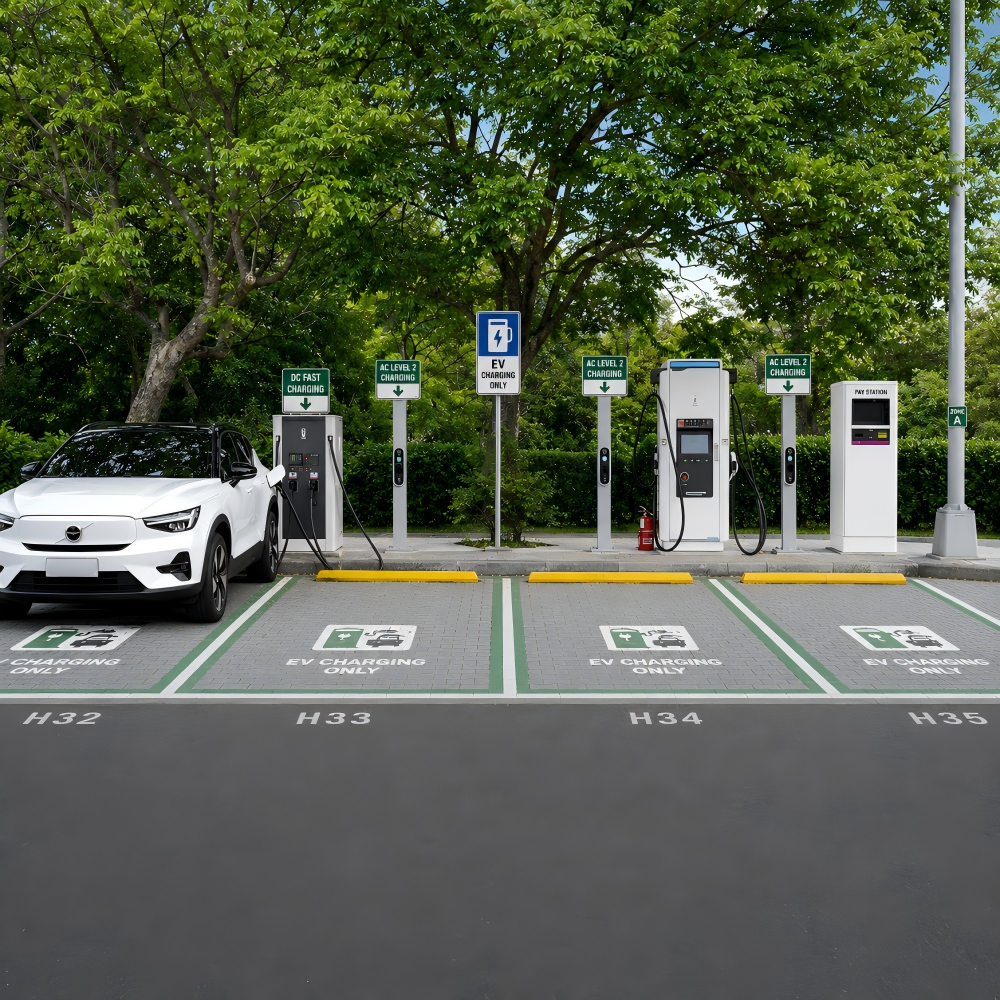 2026-06-23How Many Nits of Brightness Are Required for an EV Charging Station Display to Be Sunlight-Readable?
 2026-06-23What Touch Technology Is Best for EV Charging Station LCD Displays?

Products
Commercial LCD Display
Gaming LCD Module
Outdoor Display
MINI-LED LCD Display
High Resolution Medical Display
OLED Display
Total Solutions
E-ink LCD Display
Desk VR Monitor
Service
Custom Touch Screen Solutions
Customized Frames & Protective Cover Glass
LCD Driver Board & Accessory Customization
Contact us
Contact Us
Copyright © 2025 Shenzhen Aptus Technology Co.,Ltd All Rights Reserved.

-
Inquire
- Top