Professional commercial display solution provider

- Home
-
Products
Professional commercial display solutions
-
About us
In good faith to customers
-
Service
Provide professional and meaningful advice
-
Knowledge Center
Innovation for development
- Contact us
How to Choose the Right Brightness for Indoor and Outdoor Commercial Displays
How to Choose the Right Brightness for Indoor and Outdoor Commercial Displays
Selecting the correct display brightness is one of the most critical decisions when designing a commercial display product. Whether the display is installed in a self-service kiosk, digital signage system, casino gaming machine, EV charging station, medical device, transportation terminal, or outdoor advertising display, brightness directly affects visibility, user experience, power consumption, and system reliability.
Many buyers simply request the highest brightness available, believing that a brighter display always delivers better performance. In reality, excessive brightness increases power consumption, heat generation, and manufacturing cost while providing little benefit in many applications. On the other hand, insufficient brightness can make information difficult or impossible to read under strong ambient light.
Choosing the proper brightness requires understanding the installation environment, ambient illumination, display technology, and optical design rather than relying solely on the nit specification.
This guide explains how to select the appropriate brightness for commercial LCD displays and avoid common design mistakes.
What Does Display Brightness Mean?
Display brightness is measured in nits (cd/m²), representing the amount of light emitted by the LCD panel.
The higher the nit value, the brighter the display appears.
Typical brightness classifications include:
| Brightness | Typical Application |
|---|---|
| 250–350 nits | Low ambient commercial environments |
| 400–700 nits | Standard indoor commercial equipment |
| 700–1000 nits | Bright indoor locations and window-facing installations |
| 1000–1500 nits | Semi-outdoor commercial equipment |
| 1500–2500 nits | Outdoor commercial displays |
| 2500+ nits | Direct sunlight environments |
Brightness determines whether users can clearly read images, text, icons, and interface information under varying lighting conditions.
Why Brightness Selection Is Important
For commercial equipment, display readability directly influences operational efficiency and customer experience.
An LCD display that is difficult to read can cause user frustration, transaction delays, and operational errors.
Proper brightness selection helps achieve:
- Excellent visibility under ambient lighting
- Better customer interaction
- Lower power consumption
- Reduced thermal design requirements
- Longer LED backlight lifetime
- Lower maintenance costs
- Improved overall system reliability
Rather than choosing the highest brightness available, selecting the brightness that matches the installation environment produces the best overall performance.
Typical Brightness Requirements for Commercial Applications
Commercial displays operate under very different lighting conditions depending on where they are installed.
| Application | Recommended Brightness |
|---|---|
| Medical equipment | 300–500 nits |
| Casino gaming machines | 350–500 nits |
| Indoor self-service kiosks | 400–700 nits |
| Retail digital signage | 500–700 nits |
| Shopping mall advertising displays | 500–800 nits |
| Transportation information displays | 700–1000 nits |
| Window-facing commercial displays | 800–1000 nits |
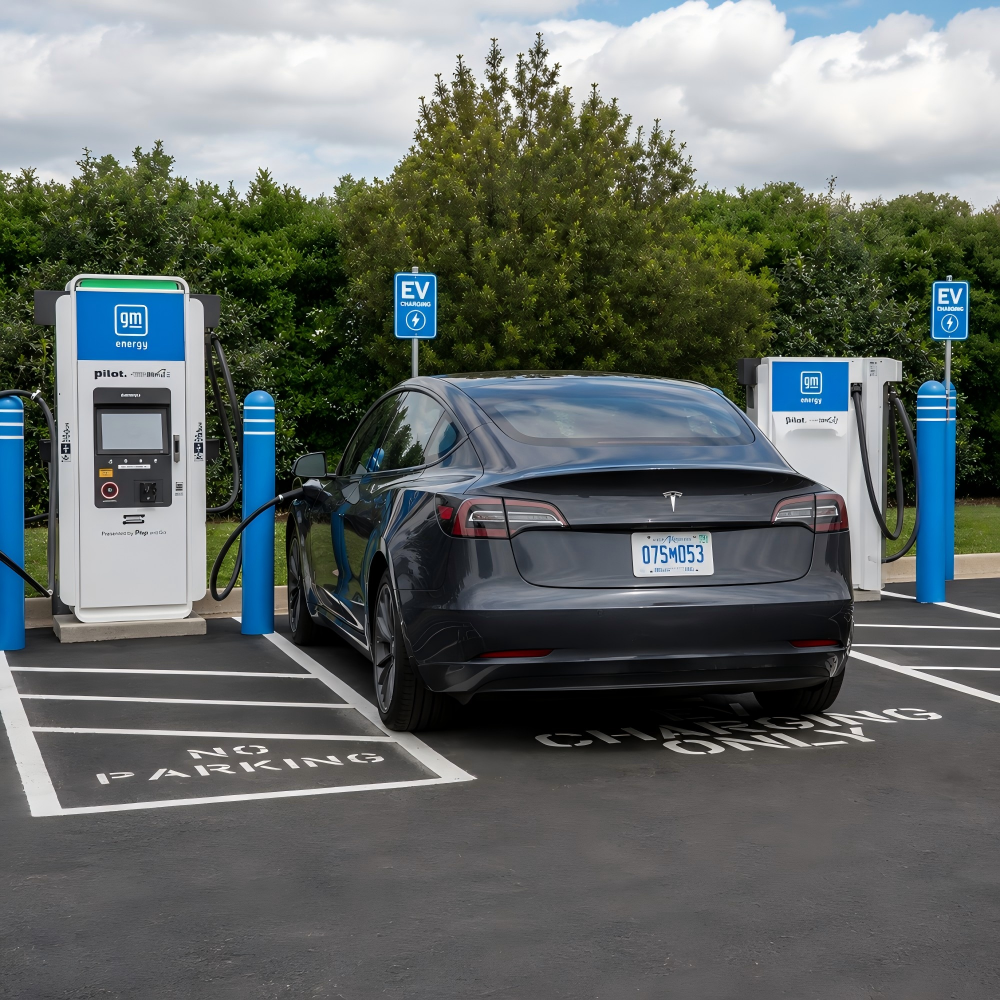
| EV charging stations | 800–1200 nits |
| Outdoor ticketing kiosks | 1000–1500 nits |
| Outdoor information terminals | 1500–2500 nits |
| Outdoor advertising displays in direct sunlight | 2000–3000 nits |
These values represent typical engineering recommendations and should be adjusted according to actual installation conditions.
Indoor Commercial Display Brightness Selection
Most commercial indoor equipment operates under controlled lighting conditions.
Applications include:
- Self-service ordering kiosks
- Hospital diagnostic equipment
- Smart retail terminals
- Financial service terminals
- Industrial control panels
- Casino gaming machines
- Elevator information systems
- Smart building control systems
For these applications, 400 to 700 nits is typically sufficient.
Displays installed close to large glass windows or shopping mall entrances may benefit from 700 to 1000 nits to overcome strong ambient daylight entering the building.
Increasing brightness beyond this level usually provides limited improvement while increasing system cost and power consumption.
Semi-Outdoor Commercial Applications
Some commercial products operate under partial sunlight exposure.
Typical examples include:
- EV charging stations
- Outdoor payment terminals
- Parking management systems
- Ticket vending machines
- Outdoor self-service kiosks
- Smart parcel lockers
These applications are frequently installed beneath canopies or partial shelters but still experience significant ambient light.
The recommended brightness range is:
1000–1500 nits
Combined with anti-glare glass and optical bonding, this brightness level delivers excellent readability throughout the day.
Outdoor Commercial Displays
Outdoor commercial displays face the most demanding operating conditions.
Examples include:
- Outdoor digital billboards
- Bus stop information displays
- Smart city terminals
- Outdoor advertising kiosks
- Transportation information systems
- Fuel station displays
- Public information terminals
Direct sunlight can easily exceed 100,000 lux, making ordinary LCD modules difficult to read.
For these environments, displays generally require:
1500–2500 nits
For installations exposed to intense tropical sunlight or reflective surfaces, brightness levels above 2500 nits may be necessary.
Brightness Is Only One Part of Sunlight Readability
Many designers focus only on nit values when selecting displays.
However, brightness alone cannot guarantee good visibility.
Display readability also depends on:
- Contrast ratio
- Anti-glare (AG) surface treatment
- Anti-reflective (AR) coating
- Optical bonding technology
- Cover glass transmittance
- Viewing angle
- Polarizer performance
- Ambient light direction
A well-designed 1200-nit display with optical bonding often provides better outdoor readability than a standard 2000-nit display with strong surface reflections.
The complete optical system should always be considered during product design.
The Relationship Between Brightness and Power Consumption
Higher brightness requires more LED backlight power.
As brightness increases:
- Power consumption rises
- Heat generation increases
- Thermal management becomes more difficult
- System efficiency decreases
- LED lifetime may shorten
For commercial equipment operating continuously for many hours each day, unnecessary brightness can significantly increase operating costs.
Selecting only the brightness required for the application improves long-term reliability and reduces energy consumption.
Automatic Brightness Control
Many modern commercial display systems incorporate ambient light sensors.
These sensors automatically adjust display brightness according to surrounding light conditions.
Advantages include:
- Reduced energy consumption
- Lower operating temperature
- Extended backlight lifetime
- Better night-time viewing comfort
- Consistent readability throughout the day
Automatic brightness adjustment is particularly useful for outdoor kiosks and EV charging stations that operate 24 hours a day.
Common Mistakes When Selecting Display Brightness
Assuming Higher Brightness Is Always Better
Higher brightness increases cost and power consumption without necessarily improving readability.
Brightness should match the actual environment.
Ignoring Installation Position
The same display performs differently depending on:
- Installation direction
- Building shadows
- Sunlight angle
- Geographic location
- Nearby reflective surfaces
Environmental analysis should always be performed before selecting brightness.
Ignoring Optical Design
Without anti-glare treatment or optical bonding, increasing brightness alone may not solve reflection problems.
Optical improvements often provide greater benefits than increasing nit levels.
Forgetting Long-Term Operating Costs
Commercial displays often operate 16–24 hours per day.
Higher brightness increases electricity consumption and cooling requirements throughout the product lifetime.
Selecting the correct brightness can reduce total operating cost significantly.
How to Select the Right Brightness
A practical selection process includes the following steps:
Step 1: Identify the installation environment
- Indoor
- Semi-outdoor
- Outdoor
Step 2: Estimate ambient lighting conditions
Determine whether the display will experience artificial lighting, indirect sunlight, or direct sunlight.
Step 3: Evaluate installation angle
Displays facing the sun require higher brightness than vertically mounted displays in shaded locations.
Step 4: Consider optical enhancements
Use anti-glare glass, anti-reflective coatings, or optical bonding to improve readability without excessively increasing brightness.
Step 5: Balance brightness with power and thermal design
The optimal solution balances visibility, reliability, energy efficiency, and system cost.
Conclusion
Selecting the right brightness for a commercial LCD display is about finding the optimal balance between readability, power consumption, reliability, and total system cost.
For most indoor commercial applications such as kiosks, gaming machines, medical devices, and retail terminals, 400–700 nits provides excellent performance. Bright indoor installations and transportation terminals often benefit from 700–1000 nits, while semi-outdoor equipment such as EV charging stations typically requires 1000–1500 nits. Displays operating under direct sunlight generally need 1500–2500 nits or higher, combined with optical bonding and anti-reflective technologies to maximize visibility.
By considering both environmental conditions and optical design, manufacturers can select display solutions that deliver superior user experience while maintaining long-term reliability and energy efficiency.
Recommended TFT LCD Modules for Commercial Applications
Choosing the right display brightness is only one part of building a reliable commercial display system. Selecting a high-quality TFT LCD module with the appropriate brightness, interface, size, and optical enhancement is equally important.
If you are developing digital signage, self-service kiosks, casino gaming machines, EV charging stations, medical equipment, transportation terminals, or other commercial display products, explore our complete range of TFT LCD Modules designed for demanding commercial applications, with options ranging from standard brightness to high-brightness sunlight-readable solutions.
Recommended reading
 2026-06-30What is High Haze Anti-Glare Glass for Advertising Displays?
 2026-06-30Optimizing Display Legibility for Outdoor EV Charging Infrastructure: A Technical Guide to Sunlight-Readable LCD Design
 2026-06-29How Curved LCD Displays Ensure 24/7 Reliability in High-Traffic Gaming Environments
 2026-06-23How Many Nits of Brightness Are Required for an EV Charging Station Display to Be Sunlight-Readable?
 2026-06-23What Touch Technology Is Best for EV Charging Station LCD Displays?


Products
Commercial LCD Display
Gaming LCD Module
Outdoor Display
MINI-LED LCD Display
High Resolution Medical Display
OLED Display
Total Solutions
E-ink LCD Display
Desk VR Monitor
Service
Custom Touch Screen Solutions
Customized Frames & Protective Cover Glass
LCD Driver Board & Accessory Customization
Contact us
Contact Us
Copyright © 2025 Shenzhen Aptus Technology Co.,Ltd All Rights Reserved.

-
Inquire
- Top