Professional commercial display solution provider

- Home
-
Products
Professional commercial display solutions
-
About us
In good faith to customers
-
Service
Provide professional and meaningful advice
-
Knowledge Center
Innovation for development
- Contact us
How to Select Displays for Smart Transportation Equipment
How to Select Displays for Smart Transportation Equipment
Smart transportation systems are becoming an essential part of modern cities. Airports, railway stations, metro systems, bus terminals, parking facilities, highway toll stations, and smart city infrastructures all rely on large commercial displays to deliver information and improve passenger experiences.
Unlike consumer televisions or office monitors, transportation displays are designed for continuous commercial operation. They often work 16 to 24 hours per day while facing demanding environments such as strong ambient light, temperature changes, dust, vibration, and long operating cycles.
Selecting the right LCD display is therefore critical for system reliability and long-term performance. For transportation equipment manufacturers, choosing a large commercial TFT LCD module involves much more than selecting the right size. Brightness, interface, optical performance, durability, and operating environment should all be considered during the design process.
This guide explains how to select the best 18.5-inch and larger TFT LCD modules for smart transportation equipment and intelligent city infrastructure.
Why Display Selection Is Important for Transportation Equipment
Modern transportation equipment depends heavily on visual interaction between the system and users.
Commercial LCD displays are used to present:
- Passenger information
- Train and bus schedules
- Flight information
- Navigation maps
- Ticket purchasing interfaces
- Parking guidance
- Smart city information
- Digital advertising
- Emergency notifications
- Wayfinding systems
A display with poor visibility or low reliability can reduce operational efficiency and negatively affect the passenger experience.
High-quality commercial LCD modules ensure continuous operation while maintaining excellent readability under different lighting conditions.
Typical Smart Transportation Applications
Large TFT LCD modules are widely used in commercial transportation equipment.
Typical applications include:
- Passenger Information Display (PIS)
- Railway station digital signage
- Airport information systems
- Metro station displays
- Bus terminal information boards
- Self-service ticket kiosks
- Smart parking guidance systems
- Highway toll stations
- Smart city information terminals
- Outdoor wayfinding kiosks
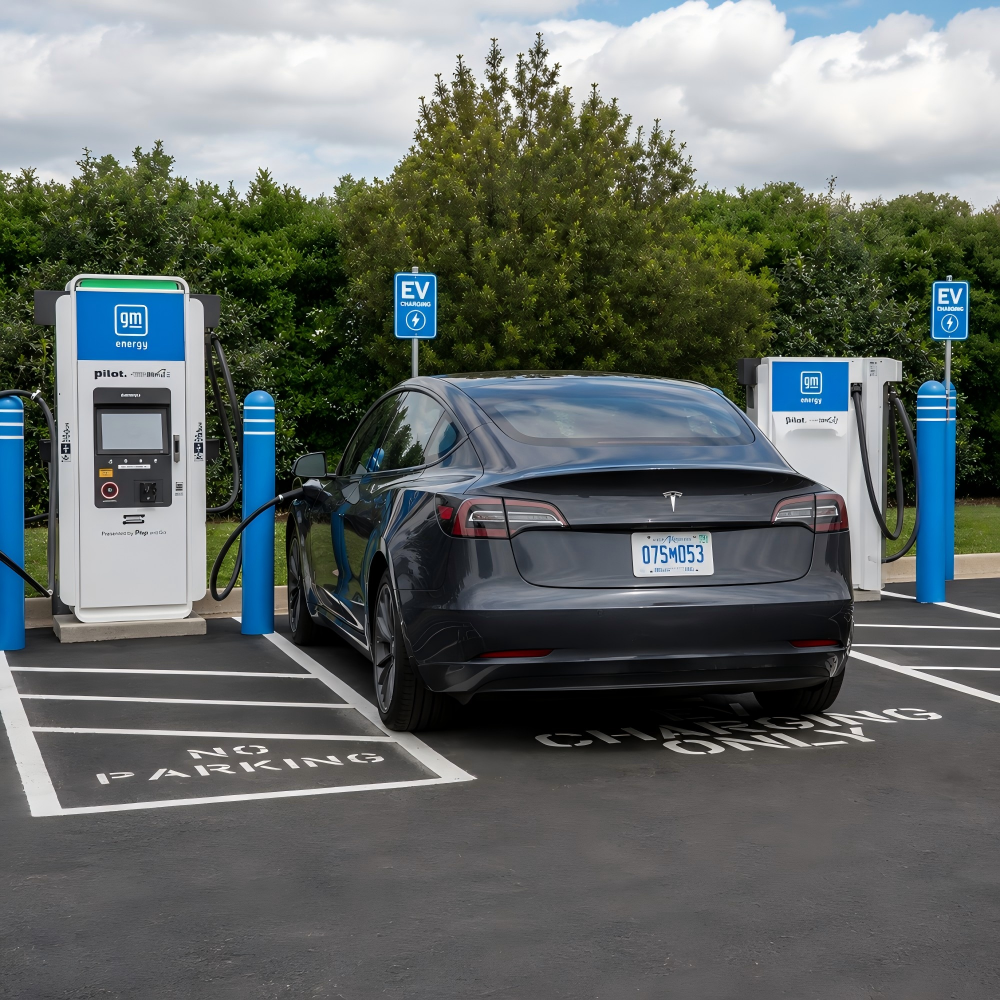
- EV charging station displays
- Transportation advertising displays
Most of these applications require 18.5-inch or larger LCD modules that provide clear visibility from a distance while supporting continuous commercial operation.
Select the Appropriate Brightness
Brightness is one of the most important specifications for transportation displays.
The required brightness depends on the installation environment.
Indoor Transportation Facilities
Examples include:
- Airport terminals
- Railway stations
- Metro stations
- Indoor transportation hubs
Recommended brightness:
500–700 nits
This brightness level provides excellent readability under commercial indoor lighting.
Bright Indoor Areas
Displays installed near glass walls or entrances receive significant natural light.
Typical applications include:
- Shopping mall transportation hubs
- Airport entrances
- Railway station entrances
Recommended brightness:
700–1000 nits
Higher brightness improves visibility without excessive power consumption.
Semi-Outdoor Equipment
Applications include:
- Smart parking terminals
- EV charging stations
- Outdoor ticket kiosks
- Bus station terminals
Recommended brightness:
1000–1500 nits
Combined with anti-glare treatment and optical bonding, this brightness level delivers excellent daytime readability.
Outdoor Transportation Displays
Outdoor installations operate under direct sunlight throughout the day.
Examples include:
- Bus stop information displays
- Smart city terminals
- Outdoor navigation kiosks
- Highway information displays
Recommended brightness:
1500–3000 nits
High-brightness backlights combined with optical enhancements provide excellent sunlight readability.
Optical Performance Is More Important Than Brightness Alone
Many engineers focus only on brightness specifications.
However, readability depends on the entire optical system.
Important factors include:
- Optical bonding
- Anti-glare (AG) treatment
- Anti-reflective (AR) coating
- High contrast ratio
- Wide viewing angle
- Cover glass transmittance
A properly designed 1500-nit display with optical bonding often performs better than a standard 2500-nit display suffering from heavy reflections.
Transportation equipment should always optimize the complete optical design rather than brightness alone.
Display Interface Selection
Selecting the correct display interface improves signal stability and long-term reliability.
For 18.5-inch and larger commercial LCD modules, the following interfaces are most commonly used.
LVDS
LVDS remains the preferred interface for commercial transportation equipment.
Advantages include:
- Excellent EMI resistance
- Stable long-distance transmission
- High reliability
- Mature industrial ecosystem
- Suitable for 24/7 operation
LVDS is widely used in:
- Passenger information displays
- Digital signage
- Airport terminals
- Railway station displays
- Outdoor kiosks
eDP
Embedded DisplayPort (eDP) is increasingly popular for high-resolution commercial displays.
Advantages include:
- Higher bandwidth
- Lower cable count
- Excellent image quality
- Future scalability
It is suitable for:
- Full HD transportation displays
- Smart city terminals
- Interactive information systems
HD-MI
HD-MI is commonly used when transportation equipment integrates media players or industrial computers.
Advantages include:
- Easy integration
- Plug-and-play compatibility
- High-definition video support
HD-MI is suitable for commercial digital signage systems using external controller boards.
Reliability for Continuous Operation
Transportation displays often operate continuously throughout the day.
Commercial LCD modules should provide:
- Long LED backlight lifetime
- Stable color performance
- Industrial-grade components
- Low maintenance requirements
- Excellent thermal management
Displays designed for continuous operation reduce downtime and improve long-term system reliability.
Wide Operating Temperature
Transportation infrastructure operates in varying climates.
Commercial LCD modules should support wide operating temperatures such as:
-20°C to +70°C or -30°C to +85°C
Wide-temperature designs ensure stable operation during both winter and summer conditions.
Durability Requirements
Public transportation equipment is exposed to demanding environments.
Recommended display features include:
- UV-resistant cover glass
- High-strength tempered glass
- Optical bonding
- Moisture resistance
- Dust protection
- Vibration resistance
- Long backlight lifetime
These features improve reliability and reduce maintenance costs over the product lifecycle.
Energy Efficiency
Many transportation systems operate continuously for years.
Power consumption directly affects operating costs.
Modern transportation displays should support:
- High-efficiency LED backlights
- Automatic brightness adjustment
- Ambient light sensors
- Intelligent power management
These technologies reduce energy consumption while maintaining excellent visibility.
Future Trends in Smart Transportation Displays
The transportation industry continues to adopt advanced display technologies.
Future systems increasingly feature:
- Larger interactive displays
- High-brightness LCD modules
- Smart city integration
- AI-assisted information systems
- Dynamic passenger guidance
- Digital advertising
- Cloud connectivity
- Real-time transportation data
Large commercial TFT LCD modules will continue to play an essential role in intelligent transportation infrastructure.
Conclusion
Selecting the right display for smart transportation equipment requires balancing visibility, reliability, durability, and long-term operating costs.
For modern transportation applications, 18.5-inch and larger commercial TFT LCD modules provide the ideal platform for passenger information systems, ticket kiosks, airport terminals, railway stations, smart parking equipment, and outdoor transportation signage.
High brightness, optical bonding, industrial-grade reliability, and stable LVDS or eDP interfaces ensure excellent performance under demanding commercial environments while supporting continuous 24/7 operation.
Choosing the right display solution helps manufacturers build intelligent transportation equipment that delivers superior user experience and long-term reliability.
Recommended Commercial TFT LCD Modules
If you are developing smart transportation equipment, passenger information systems, railway station displays, airport terminals, transportation digital signage, smart city kiosks, or EV charging stations, selecting a high-quality commercial display module is essential.
Explore our complete range of TFT LCD Modules, featuring 18.5-inch and larger commercial LCD solutions with high brightness, wide viewing angles, long backlight life, and industrial-grade reliability for demanding transportation applications.
Recommended reading
 2026-06-30What is High Haze Anti-Glare Glass for Advertising Displays?
 2026-06-30Optimizing Display Legibility for Outdoor EV Charging Infrastructure: A Technical Guide to Sunlight-Readable LCD Design
 2026-06-29How Curved LCD Displays Ensure 24/7 Reliability in High-Traffic Gaming Environments
 2026-06-23How Many Nits of Brightness Are Required for an EV Charging Station Display to Be Sunlight-Readable?
 2026-06-23What Touch Technology Is Best for EV Charging Station LCD Displays?

Products
Commercial LCD Display
Gaming LCD Module
Outdoor Display
MINI-LED LCD Display
High Resolution Medical Display
OLED Display
Total Solutions
E-ink LCD Display
Desk VR Monitor
Service
Custom Touch Screen Solutions
Customized Frames & Protective Cover Glass
LCD Driver Board & Accessory Customization
Contact us
Contact Us
Copyright © 2025 Shenzhen Aptus Technology Co.,Ltd All Rights Reserved.

-
Inquire
- Top