Professional commercial display solution provider

- Home
-
Products
Professional commercial display solutions
-
About us
In good faith to customers
-
Service
Provide professional and meaningful advice
-
Knowledge Center
Innovation for development
- Contact us
Can You Combine Anti-Glare (AG), Anti-Reflective (AR), and Anti-Fingerprint (AF) Coatings on a Custom Touch Panel Display?
Can You Combine Anti-Glare (AG), Anti-Reflective (AR), and Anti-Fingerprint (AF) Coatings on a Custom Touch Panel Display?
Combining anti-glare (AG), anti-reflective (AR), and anti-fingerprint (AF) coatings on a custom touch panel display is an effective way to improve optical performance, touch experience, and long-term durability, especially for displays used in outdoor environments, public terminals, self-service kiosks, and commercial display applications. By applying these surface treatments together, manufacturers can reduce sunlight glare, minimize unwanted reflections, prevent fingerprint marks, and maintain clear image visibility under different lighting conditions.
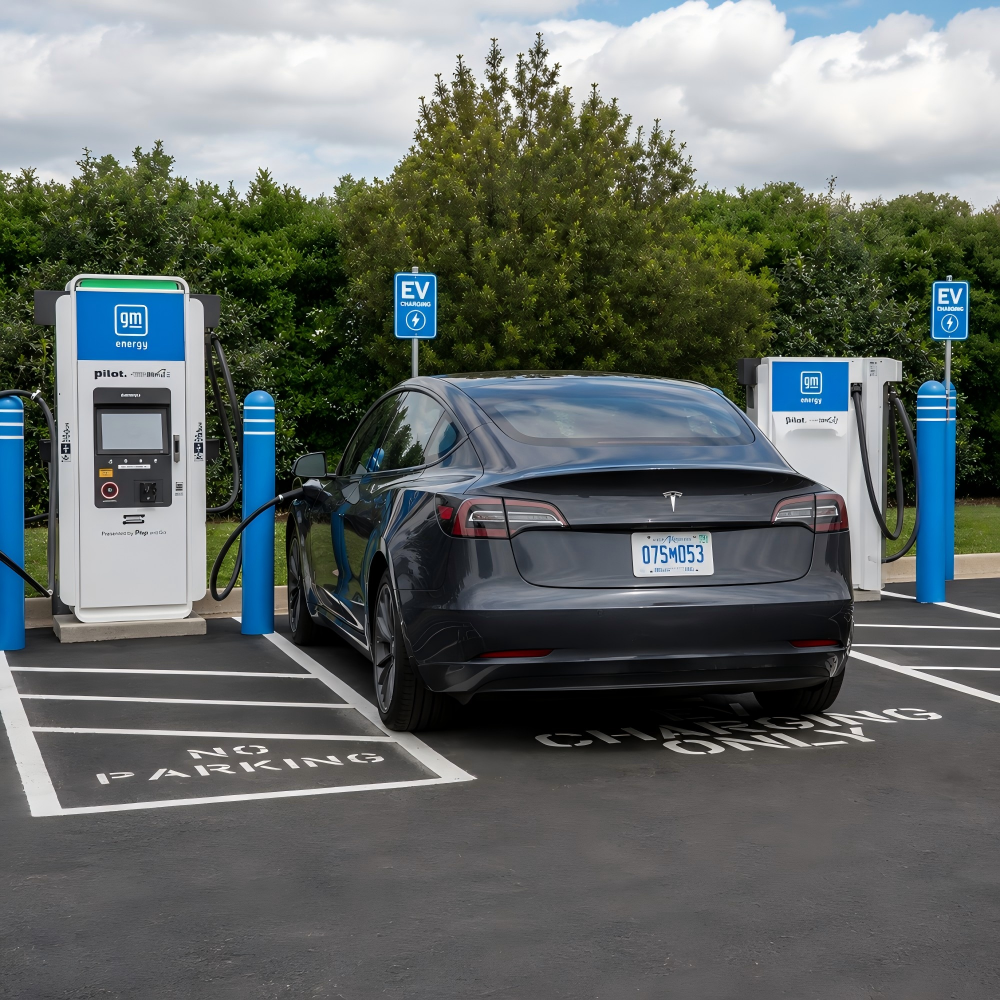
Modern touch panel displays are required to operate in increasingly challenging environments. Outdoor kiosks, EV charging stations, digital signage systems, transportation terminals, and industrial public interfaces are frequently exposed to direct sunlight, dust, fingerprints, and continuous user interaction. A standard cover glass may not provide sufficient optical performance in these scenarios. Therefore, combining AG, AR, and AF coating technologies has become an important customization option for improving display readability and user experience.
For applications requiring reliable visibility in outdoor and high-ambient-light conditions, customized solutions such as outdoor display solutions can integrate different optical enhancement technologies based on brightness requirements, viewing conditions, touch frequency, and environmental exposure.
Understanding AG, AR, and AF Coatings in Touch Panel Displays
Although AG, AR, and AF coatings are often mentioned together, each technology solves a different display performance challenge. Selecting the correct combination requires understanding how each coating works and how they interact with the touch panel structure.
Anti-Glare (AG) Coating: Reducing Surface Glare
Anti-glare coating is designed to reduce strong reflections caused by external light sources such as sunlight, LED lighting, or indoor lamps. The coating creates a microscopic surface texture that diffuses reflected light instead of allowing it to appear as sharp mirror-like reflections.
For outdoor touch panel displays, AG treatment helps users see displayed content more easily by reducing distracting bright spots. This is especially valuable for:
- Outdoor advertising displays
- EV charging stations
- Ticket vending machines
- Public information kiosks
- Self-service terminals
However, AG coating requires careful optimization because excessive surface diffusion may slightly affect image sharpness or contrast. A professional display manufacturer must balance glare reduction and optical clarity according to the application environment.
Anti-Reflective (AR) Coating: Improving Light Transmission and Contrast
Anti-reflective coating works differently from AG coating. Instead of scattering reflected light, AR coating uses optical interference principles to reduce reflections from the glass surface. This allows more light from the LCD module to pass through the cover glass, improving contrast and visibility.
AR coating is particularly useful when a display needs:
- Higher image clarity
- Better contrast performance
- Reduced reflection from surrounding objects
- Improved viewing experience under bright lighting
For high-resolution commercial displays, AR coating helps preserve image details because it minimizes the amount of external light reflected back to the viewer.
Anti-Fingerprint (AF) Coating: Maintaining Clean Touch Surfaces
Anti-fingerprint coating is designed to reduce fingerprints, oil residue, and water marks caused by frequent touch operation. The coating creates a hydrophobic and oleophobic surface, making contaminants less likely to adhere and easier to remove during cleaning.
AF treatment is especially important for interactive displays that experience frequent user contact, including:
- Retail self-service kiosks
- Digital ordering systems
- Information terminals
- Public transportation interfaces
- Smart vending machines
Without AF coating, fingerprints can accumulate quickly and affect both appearance and readability.
How AG + AR + AF Coatings Work Together
A custom touch panel display can be designed with a combined AG, AR, and AF surface treatment structure, commonly known as a multi-functional optical coating solution. Each layer provides a specific benefit:
- AG coating reduces harsh glare from external light sources.
- AR coating minimizes optical reflection and improves contrast.
- AF coating protects the surface from fingerprints and contamination.
Together, these technologies address three major challenges faced by modern touch panel displays: visibility, reflection control, and surface cleanliness.
However, combining multiple coatings requires precise engineering. Improper coating selection or processing may result in reduced touch sensitivity, lower optical transmission, uneven surface appearance, or decreased durability.
Professional display customization involves evaluating:
- Cover glass thickness
- Touch sensor structure
- Optical bonding method
- Display brightness
- Operating temperature range
- Environmental exposure
- Expected touch frequency
A properly designed coating combination maintains the balance between optical performance and touch reliability.
Benefits of AG + AR + AF Coated Touch Panel Displays
Improved Outdoor Readability
Outdoor displays face strong challenges from direct sunlight and changing lighting conditions. A combined coating solution significantly improves readability by reducing glare and reflection while maintaining high image quality.
For outdoor commercial displays, combining surface treatments with high-brightness LCD modules and optical bonding technology can further enhance visibility and reliability.
Better User Interaction Experience
Touch panel displays are frequently operated by different users throughout the day. AF coating keeps the surface smoother and cleaner, while AG treatment improves viewing comfort by reducing distracting reflections.
This combination creates a more professional user experience for public-facing equipment.
Reduced Maintenance Requirements
Public displays require frequent cleaning because of fingerprints, dust, and environmental contamination. AF coating reduces the adhesion of fingerprints and oils, helping reduce cleaning frequency and maintenance costs.
For commercial operators managing multiple display terminals, this can significantly improve operational efficiency.
Extended Product Appearance Quality
A display installed in a public environment represents the brand image of the equipment provider. Fingerprint-resistant and reflection-controlled surfaces help maintain a clean and premium appearance throughout the product lifecycle.
Are AG, AR, and AF Coatings Suitable for Outdoor Touch Panel Displays?
Outdoor applications are among the strongest use cases for combined AG, AR, and AF coatings. Displays installed outdoors must handle direct sunlight, rain, temperature changes, and frequent human interaction.
Typical outdoor applications include:
- Outdoor digital signage
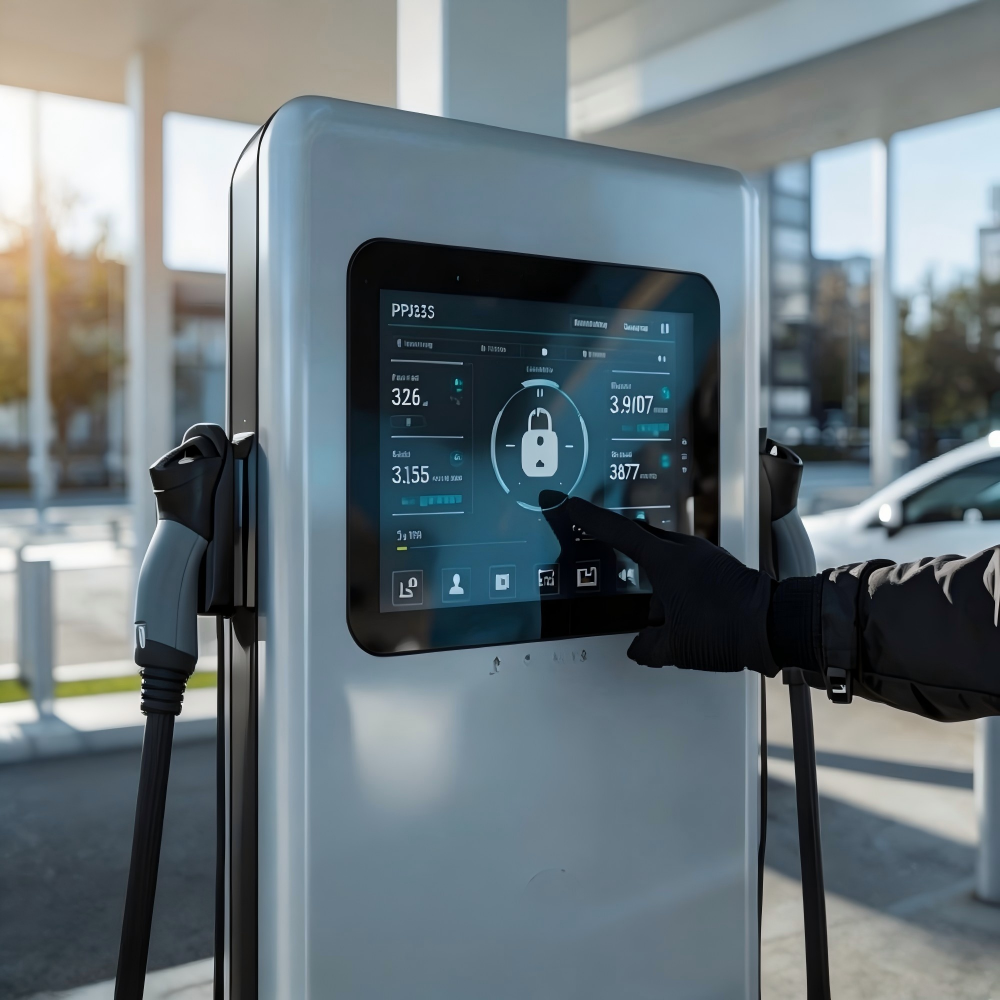
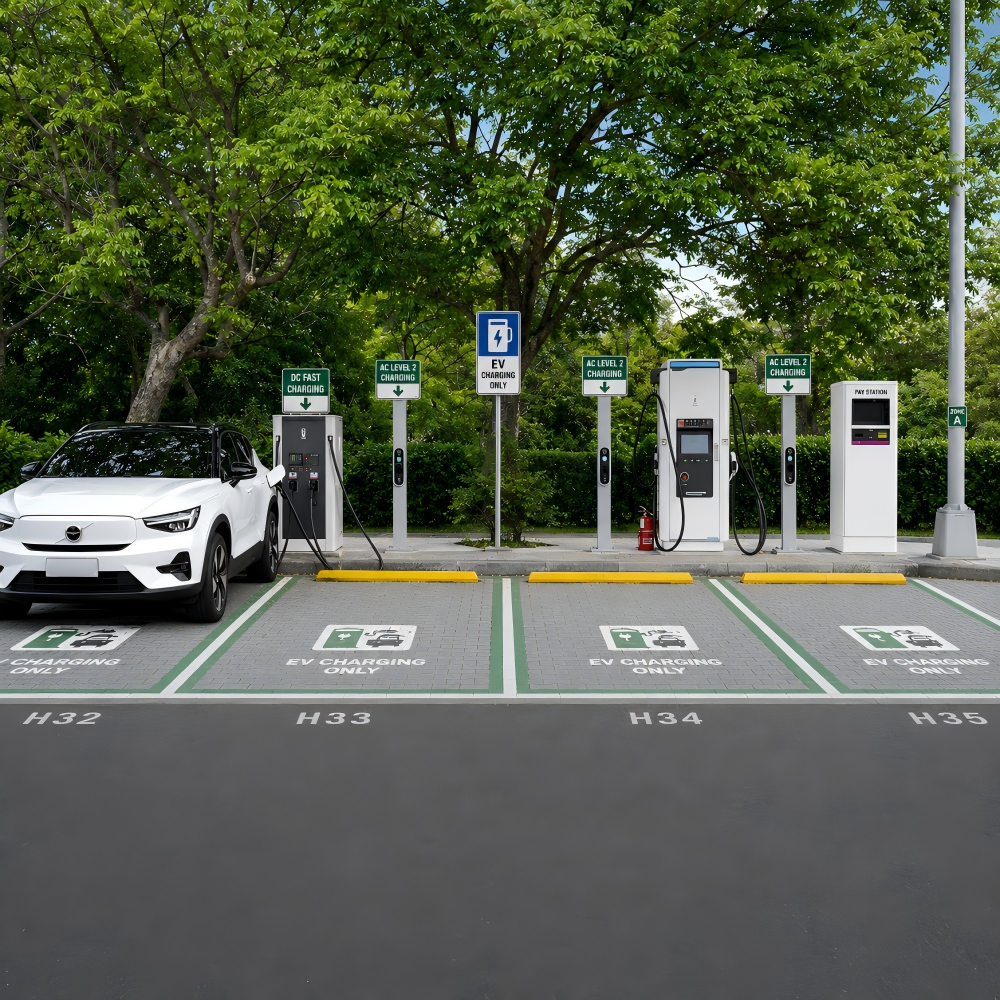
- EV charging stations
- Smart parking systems
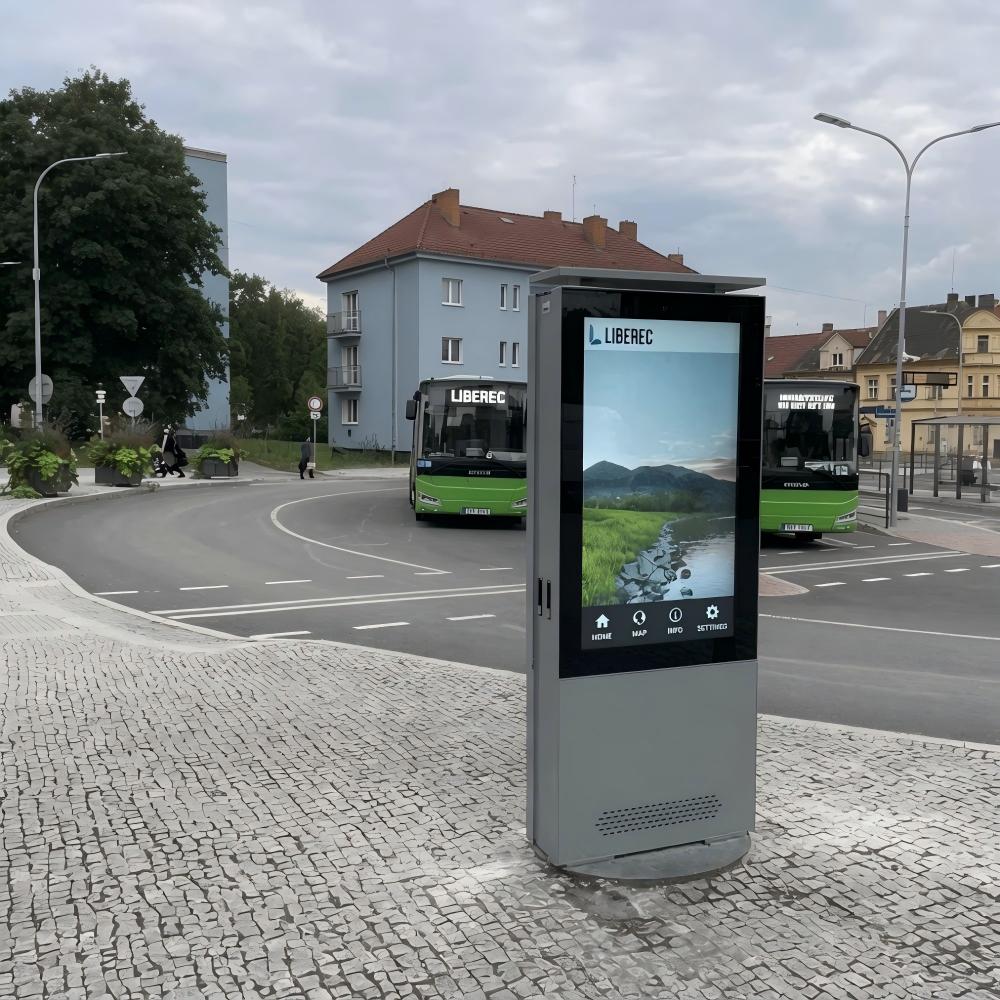
- Bus station information displays
- Outdoor self-service kiosks
In these environments, AG helps control sunlight glare, AR improves image visibility, and AF maintains a clean touch surface. When combined with high-brightness LCD modules, rugged cover glass, and optical bonding, these technologies create a more reliable outdoor touch panel solution.
Considerations When Customizing AG, AR, and AF Coatings
Although combining these coatings provides significant advantages, the correct configuration depends on the specific application requirements.
Display Brightness Requirements
A high-brightness display may require a different coating balance compared with an indoor display. Outdoor applications typically need stronger reflection control because ambient light can overpower the display output.
Touch Panel Technology
Different touch technologies, including projected capacitive touch panels and resistive touch panels, may require different surface treatment approaches. Coatings must maintain touch sensitivity and signal performance.
Environmental Conditions
Applications exposed to extreme temperatures, humidity, dust, or continuous outdoor operation require coatings with strong durability and adhesion performance.
Optical Performance Testing
Before mass production, manufacturers typically evaluate:
- Light transmission
- Reflection rate
- Surface hardness
- Fingerprint resistance
- Touch sensitivity
- Long-term coating durability
Testing helps ensure the final touch panel meets both performance and reliability requirements.
Choosing the Right Coating Combination for Custom Touch Panel Displays
The ideal coating solution depends on the application environment rather than simply selecting the maximum number of treatments. For example:
- Outdoor kiosks may prioritize AG + AF for glare reduction and easy cleaning.
- High-end commercial displays may benefit from AR + AF for improved clarity.
- Bright outdoor interactive terminals may require a full AG + AR + AF combination.
A professional display supplier can analyze factors such as viewing environment, brightness level, user interaction frequency, and mechanical design requirements to recommend the most suitable configuration.
Conclusion
AG, AR, and AF coatings can be integrated together on a custom touch panel display to create a high-performance surface solution that improves visibility, reduces reflections, prevents fingerprints, and enhances user interaction. The combination is especially valuable for outdoor and commercial display applications where displays must remain readable, clean, and reliable under demanding conditions.
For businesses developing outdoor kiosks, digital signage systems, EV charging displays, or other interactive commercial equipment, selecting the correct combination of optical coatings is an important step toward achieving long-term display performance and user satisfaction.
Recommended reading
 2026-06-30What is High Haze Anti-Glare Glass for Advertising Displays?
 2026-06-30Optimizing Display Legibility for Outdoor EV Charging Infrastructure: A Technical Guide to Sunlight-Readable LCD Design
 2026-06-29How Curved LCD Displays Ensure 24/7 Reliability in High-Traffic Gaming Environments
 2026-06-23How Many Nits of Brightness Are Required for an EV Charging Station Display to Be Sunlight-Readable?
 2026-06-23What Touch Technology Is Best for EV Charging Station LCD Displays?


Products
Commercial LCD Display
Gaming LCD Module
Outdoor Display
MINI-LED LCD Display
High Resolution Medical Display
OLED Display
Total Solutions
E-ink LCD Display
Desk VR Monitor
Service
Custom Touch Screen Solutions
Customized Frames & Protective Cover Glass
LCD Driver Board & Accessory Customization
Contact us
Contact Us
Copyright © 2025 Shenzhen Aptus Technology Co.,Ltd All Rights Reserved.

-
Inquire
- Top