Professional commercial display solution provider

- Home
-
Products
Professional commercial display solutions
-
About us
In good faith to customers
-
Service
Provide professional and meaningful advice
-
Knowledge Center
Innovation for development
- Contact us
What Should Be Considered in Outdoor Display Integration?
What Should Be Considered in Outdoor Display Integration?
Integrating electronic displays into outdoor environments requires a meticulous balance of optical engineering, environmental protection, thermal management, and structural integrity. Unlike indoor screens, outdoor displays must combat unpredictable weather conditions, extreme temperature fluctuations, intense solar radiation, and potential physical vandalism. To achieve a successful outdoor display integration, engineers and project managers must prioritize high-brightness technology (typically above 2,000 nits) paired with optical bonding to ensure sunlight readability. Additionally, robust environmental sealing (such as IP65 or IP66 ratings), advanced thermal management systems (including active cooling or heating), and impact-resistant protective glass are critical components. By addressing these core challenges, integrators can ensure optimal visual performance, operational longevity, and a low total cost of ownership.
Sunlight Readability and Optical Performance
The most immediate challenge for any outdoor display is competing with direct sunlight. A standard indoor display will appear completely washed out under ambient outdoor light. To deliver clear, high-contrast visuals, several optical technologies must be integrated into the system design.
High Brightness (Nits)
Screen brightness is measured in nits (cd/m²). While a typical office monitor operates around 250 to 300 nits, an outdoor display generally requires a minimum of 1,500 to 2,500 nits to remain legible in direct sunlight. In environments with intense, unshaded exposure, pushing brightness levels up to 3,500 nits or higher may be necessary to ensure content remains vibrant and visible.
Contrast Ratio and Reflection Control
High brightness alone is not enough if the screen suffers from excessive reflections. Ambient light reflects off the outer surface of the cover glass and the internal air gaps of the display stack, degrading the contrast ratio and making text unreadable.
-
Anti-Glare (AG) Coatings: These coatings diffuse reflections, breaking up sharp specular images (like a mirror reflection of the sun) into a soft blur, reducing eye strain for viewers.
-
Anti-Reflective (AR) Coatings: These utilize destructive interference wave technology to drastically reduce the percentage of reflected light, allowing more light to pass through the glass rather than bouncing back.
Optical Bonding Technology
Traditional displays leave an air gap between the protective cover glass and the LCD panel. This air gap creates two internal reflective surfaces, which significantly reduces contrast. Optical bonding resolves this by filling the gap with a clear optical-grade resin, eliminating internal reflections, improving contrast by up to 400%, increasing structural strength, and preventing internal condensation.
Thermal Management Systems
Outdoor displays are subjected to two primary heat sources: the internal electronics (LED backlights and media players) and external solar radiation. Without an efficient thermal management system, the display can suffer from isotropic blackening (where the liquid crystals temporarily lose their orientation and turn black) or permanent component failure.
Active vs. Passive Cooling
Depending on the geographic location and enclosure design, integrators must choose between different cooling methodologies to maintain a safe internal operating environment:
| Cooling Type | Mechanism | Best Used For | Pros/Cons |
| Passive Cooling | Heat sinks, thermal conductive pads, and natural convection. | Moderate climates, smaller displays. | Silent, low maintenance, but limited cooling capacity. |
| Forced Air Cooling | Internal fans that circulate air across the components or pull in filtered outside air. | High-brightness large formats. | Highly effective, requires regular filter replacement. |
| Closed-Loop Air Conditioning | Dedicated HVAC micro-units built into the enclosure. | Extreme heat environments ($>45^circ ext{C}$). | Maximum protection against dust/moisture, higher power draw. |
Heating Elements
In cold climates, temperatures dropping below $0^circ ext{C}$ can cause liquid crystals to respond sluggishly, resulting in ghosting or frozen images. Integrating internal, thermostatically controlled heaters ensures that the display components remain within their optimal operating temperature range even during harsh winter months.
Environmental Sealing and Ingress Protection (IP Rating)
An outdoor display must withstand rain, snow, dust, humidity, and corrosive coastal air. The industry standard for measuring this resistance is the Ingress Protection (IP) rating system, which defines the level of sealing effectiveness against solids and liquids.
IP65 Rating
An IP65 rating signifies that the display enclosure is completely dust-tight and protected against water jets projected from any angle. This is generally the baseline requirement for standard outdoor enclosures deployed in protected or semi-protected public areas.
IP66 Rating
An IP66 rating provides an even higher level of protection, ensuring the enclosure is dust-tight and protected against powerful water jets. This makes it ideal for heavy storms, open-air installations, or environments where the equipment might be washed down with high-pressure hoses.
Corrosion Resistance
If the display is deployed near an ocean, salt fog can rapidly corrode standard aluminum or steel enclosures. Integrators should specify marine-grade stainless steel (such as 316 grade), specialized powder coatings, or rugged aluminum alloys with anodized finishes to prevent rust and structural degradation over time.
Enclosure Durability and Vandalism Protection
Publicly deployed outdoor displays are inherently vulnerable to physical impacts, whether from accidental bumps, flying debris during a storm, or deliberate acts of vandalism. Ensuring physical security is vital for protecting the investment.
Impact Resistance (IK Ratings)
The mechanical impact resistance of an enclosure and its viewing window is rated using the IK scale, ranging from IK00 to IK10. An IK10 protection level represents protection against a 20-joule impact (equivalent to dropping a 5 kg steel mass from a height of 40 cm), which is standard for unmanned public kiosks.
Tempered and Laminated Glass
To achieve high IK ratings, displays integrate thermally tempered glass. For maximum safety, laminated glass (similar to a car windshield) ensures that if the glass does break, it shatters safely into a web pattern without releasing dangerous shards, keeping the internal panel protected while maintaining public safety.
Power Efficiency and Intelligent Control
Operating a high-brightness display 24/7 can result in substantial energy costs and accelerated component wear. Therefore, smart power management is an essential consideration for modern integrations.
Ambient Light Sensors (ALS)
An outdoor display does not need to run at maximum brightness during the night. Integrating an automatic ambient light sensor allows the screen to dynamically adjust its backlight brightness according to the real-time environment.
-
Daytime: Maximizes nits for sunlight override.
-
Nighttime: Dims down to lower levels, saving up to 70% in power consumption and extending the lifespan of the LED backlight.
Remote Monitoring and Diagnostics
Managing an array of outdoor displays requires automated oversight. Integrated hardware monitors should track internal temperatures, humidity levels, fan speeds, and power supply voltages, sending real-time alerts to central IT teams before a critical failure occurs, reducing the need for emergency on-site technician visits.
Structural Engineering and Maintenance Accessibility
The physical installation of an outdoor display involves substantial weight, wind resistance, and long-term serviceability considerations that must be engineered prior to deployment.
Wind Load and Mounting
Large outdoor digital signage displays act like giant sails when subjected to high winds. Structural engineers must calculate the wind load forces based on local meteorological data to design appropriate concrete foundations, ground pillars, or heavy-duty wall mounts that can withstand extreme weather events.
Serviceability
Outdoor units are built to last for years, meaning components will eventually require maintenance or replacement. The integration design must allow authorized technicians easy access to internal media players, power boards, and filters without compromising the weatherproofing seal once closed. Front-access gas-spring doors are widely preferred for standalone kiosks to simplify field servicing.
Conclusion
Successfully integrating an outdoor display requires a holistic approach that treats the display not just as a screen, but as a fully engineered system. By carefully evaluating sunlight readability, safeguarding internal electronics with advanced thermal management, enforcing strict IP-rated environmental sealing, and reinforcing the structure against physical impacts, integrators can deploy reliable, high-performance visual solutions that thrive in any outdoor climate. For professional-grade hardware and engineering expertise, exploring dedicated Outdoor Display Integration Solutions can ensure your project meets all environmental and performance benchmarks.
Recommended reading
 2026-06-30What is High Haze Anti-Glare Glass for Advertising Displays?
 2026-06-30Optimizing Display Legibility for Outdoor EV Charging Infrastructure: A Technical Guide to Sunlight-Readable LCD Design
 2026-06-29How Curved LCD Displays Ensure 24/7 Reliability in High-Traffic Gaming Environments
 2026-06-23How Many Nits of Brightness Are Required for an EV Charging Station Display to Be Sunlight-Readable?
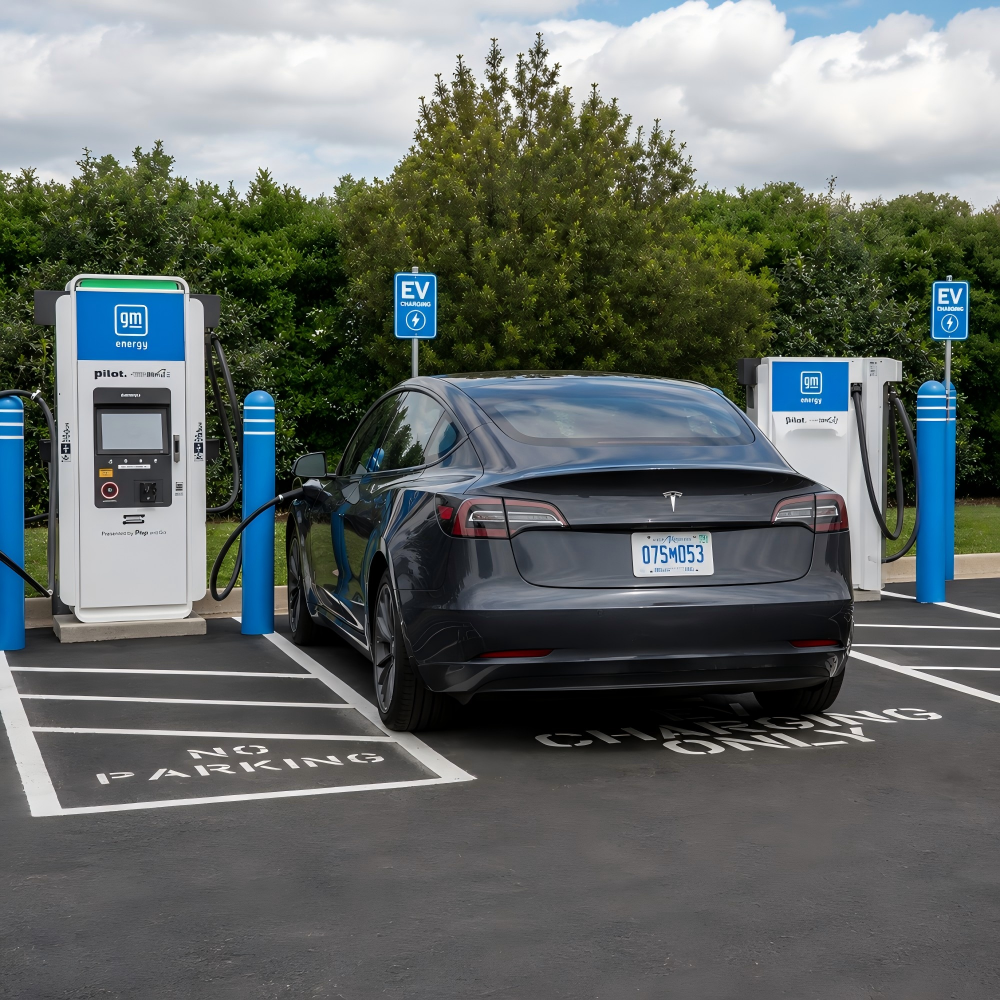 2026-06-23What Touch Technology Is Best for EV Charging Station LCD Displays?

Products
Commercial LCD Display
Gaming LCD Module
Outdoor Display
MINI-LED LCD Display
High Resolution Medical Display
OLED Display
Total Solutions
E-ink LCD Display
Desk VR Monitor
Service
Custom Touch Screen Solutions
Customized Frames & Protective Cover Glass
LCD Driver Board & Accessory Customization
Contact us
Contact Us
Copyright © 2025 Shenzhen Aptus Technology Co.,Ltd All Rights Reserved.

-
Inquire
- Top