Professional commercial display solution provider

- Home
-
Products
Professional commercial display solutions
-
About us
In good faith to customers
-
Service
Provide professional and meaningful advice
-
Knowledge Center
Innovation for development
- Contact us
How to Improve Touch Accuracy in Outdoor Display?
How to Improve Touch Accuracy in Outdoor Displays?
Improving touch accuracy in outdoor displays requires a combination of high-quality touch panel technology, optical bonding, accurate calibration, reliable touch controllers, and optimized display system design. Compared with indoor displays, outdoor display systems must operate under more challenging conditions, including direct sunlight, temperature fluctuations, humidity, rain, dust, and frequent public interaction.
For outdoor applications such as self-service kiosks, EV charging stations, interactive advertising displays, and public information terminals, touch accuracy directly affects user experience and system reliability. A professional outdoor touch panel display solution should consider the complete system, including the LCD module, touch panel, cover glass, touch controller, optical bonding process, and mechanical structure.
A reliable outdoor display solution is not only about selecting a sensitive touch panel. It requires proper integration between display components to ensure accurate touch response and stable operation in changing environmental conditions.
Why Is Touch Accuracy More Difficult to Maintain Outdoors?
Outdoor environments create additional challenges that can affect touch panel performance.
Temperature changes are one of the most common factors. Outdoor displays may experience significant temperature differences between daytime and nighttime. Extreme temperatures can influence touch sensor sensitivity, controller performance, and electronic component stability, which may result in slower response or inaccurate touch detection.
Moisture and condensation can also affect touch accuracy. Rain, humidity, and water droplets on the cover glass may create false touch signals or reduce touch sensitivity. A properly sealed display structure combined with optical bonding can help reduce the impact of moisture and improve long-term reliability.
Strong sunlight creates another challenge. Although sunlight does not directly interfere with capacitive touch technology, glare and reflections can make displayed content difficult to view. When users cannot clearly see interface elements, touch operation becomes less accurate. High-brightness LCD panels and optical bonding technology help improve visibility and create a better interaction experience.
Use High-Quality Capacitive Touch Panels
Selecting the right touch panel is one of the most important factors for improving outdoor touch accuracy.
Projected capacitive (PCAP) touch panels are widely used in outdoor commercial displays because they provide fast response, multi-touch capability, and smooth operation. Compared with traditional resistive touch solutions, PCAP technology offers a more natural interaction experience and is suitable for modern commercial display applications.
However, outdoor environments require touch panels with optimized performance characteristics, including:
- Strong signal processing capability
- Reliable operation with thicker cover glass
- Better resistance to electrical interference
- Stable performance under different temperatures
- Accurate touch recognition in public environments
A properly selected capacitive touch panel ensures consistent interaction performance even when displays are installed in demanding outdoor locations.
Optical Bonding Improves Touch Panel Stability
Optical bonding is an important technology for improving outdoor touch panel display performance.
Traditional air-gap display structures contain a space between the LCD module, touch panel, and cover glass. This air layer can increase reflections, reduce contrast, and create a potential area where moisture and dust may accumulate.
Optical bonding eliminates the air gap by filling the space with optical adhesive materials such as OCA or OCR. This creates a stronger connection between the display layers and improves overall display performance.
The advantages of optical bonding include:
- Reduced internal reflections for better sunlight readability
- Improved touch signal stability
- Better protection against moisture and dust
- Enhanced mechanical strength
- Improved durability for outdoor applications
For outdoor commercial displays exposed to changing weather conditions, optical bonding provides a more reliable and durable display structure.
Optimize Touch Controller Performance
The touch controller plays an important role in processing touch signals and maintaining accuracy.
Outdoor environments may contain electrical noise from nearby equipment, power systems, or communication devices. A high-performance touch controller helps maintain stable touch detection and reduces incorrect inputs.
A suitable touch controller should provide:
- Strong signal processing capability
- Good electromagnetic interference resistance
- Fast response time
- Accurate touch position calculation
Proper matching between the touch panel sensor and controller is essential for achieving consistent touch performance.
Improve Cover Glass Design
The cover glass directly affects touch sensitivity, durability, and outdoor usability.
Outdoor display applications often require stronger cover glass to protect against impact, weather exposure, and frequent public interaction. However, thicker glass may reduce touch sensitivity if the touch panel system is not properly optimized.
A well-designed cover glass solution should balance:
- Mechanical protection
- Touch sensitivity
- Optical clarity
- Sunlight readability
Anti-glare and anti-reflection treatments can further improve outdoor visibility by reducing surface reflections and improving user interaction.
Perform Accurate Touch Panel Calibration
Touch panel calibration ensures that the detected touch position matches the displayed image accurately.
Proper calibration should consider:
- LCD resolution
- Touch sensor alignment
- Display size
- Operating temperature range
- Installation conditions
For large-format outdoor touch panel displays, calibration accuracy becomes increasingly important because even small alignment errors can affect user experience.
Professional display integration helps ensure that the touch panel and LCD module work together accurately throughout the product lifecycle.
Choose Displays Designed for Outdoor Applications
Not all commercial touch displays are suitable for outdoor environments.
Outdoor displays require specialized designs, including:
High brightness LCD panels to maintain visibility under direct sunlight.
Wide temperature operation capability to handle environmental changes.
Durable mechanical structures to protect internal components from dust, moisture, and external impact.
Duobond Display provides customized outdoor display solutions integrating high brightness LCD modules, touch panels, optical bonding technology, and customized display designs for demanding outdoor applications.
Reduce False Touch Problems in Outdoor Displays
False touch is a common challenge in outdoor touch panel applications.
Possible causes include:
- Water droplets on the cover glass
- Electrical interference
- Poor grounding design
- Incorrect touch controller settings
- Environmental noise
Solutions include:
- Water-resistant touch algorithms
- Improved grounding structures
- Optimized firmware settings
- High-quality capacitive touch panels
These improvements help outdoor touch panel displays maintain stable operation when exposed to rain, cleaning processes, and frequent public use.
Applications Requiring High Touch Accuracy
Outdoor touch panel displays are widely used in applications where reliable interaction is essential.
Self-service kiosks require accurate touch operation because users depend on the interface for information searches, payments, and service selection.
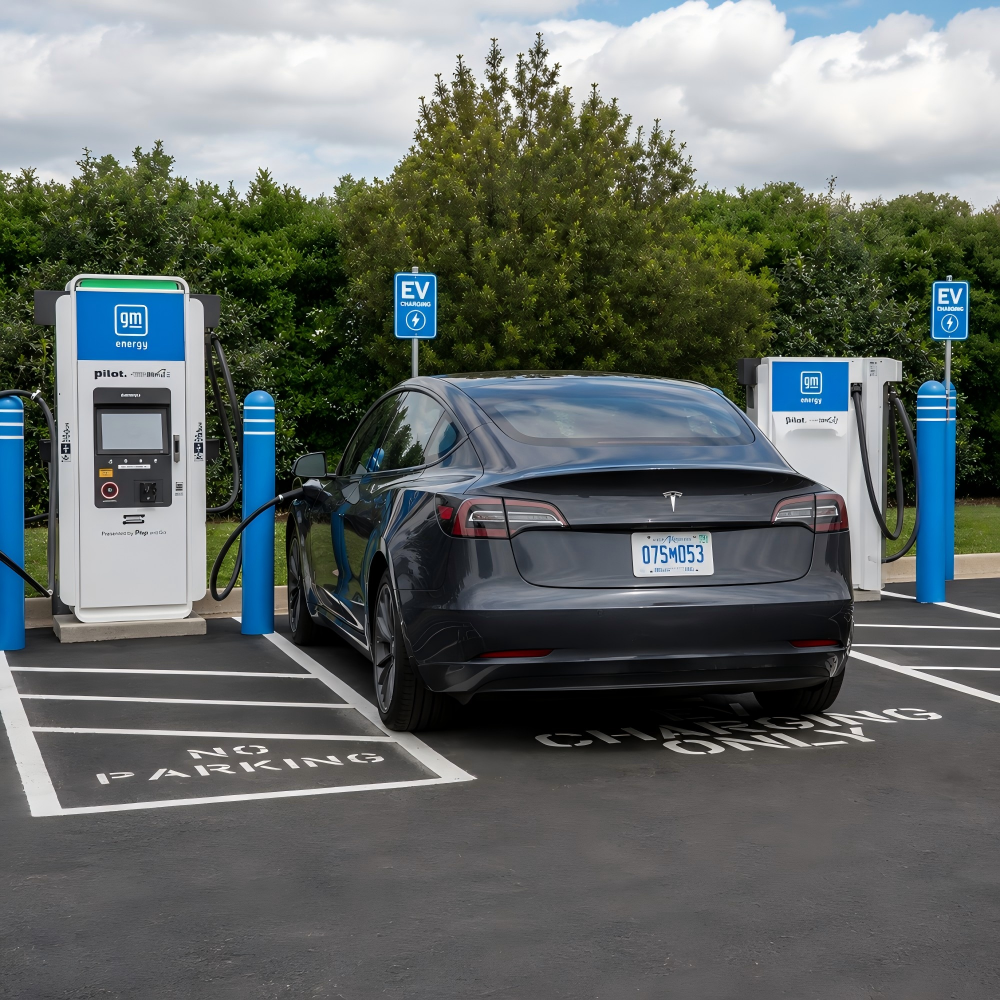
EV charging displays require stable touch performance because they operate continuously outdoors and must withstand sunlight, rain, humidity, and temperature fluctuations.
Interactive advertising displays use touch interaction to improve customer engagement and provide a more interactive user experience.
Smart retail displays require accurate touch control while maintaining excellent visibility in semi-outdoor and outdoor environments.
Duobond Display Outdoor Touch Panel Solutions
Duobond Display specializes in customized commercial display solutions for outdoor applications requiring high visibility, accurate touch interaction, and long-term durability.
Our outdoor display solutions can integrate:
- High brightness LCD modules
- Capacitive touch panels
- Optical bonding technology
- Customized cover glass
- Touch controller optimization
- Display structure customization
By combining LCD display technology with touch panel integration expertise, Duobond Display helps customers develop reliable interactive display systems for outdoor commercial applications.
Explore our outdoor display solutions for applications requiring excellent sunlight readability, accurate touch operation, and stable outdoor performance.
FAQ
Why is my outdoor touch panel less accurate than an indoor display?
Outdoor touch panels are affected by temperature changes, moisture, sunlight, and electrical interference. Using optimized touch panels, controllers, and optical bonding technology can improve performance.
Does optical bonding improve touch panel accuracy?
Yes. Optical bonding improves structural stability, reduces reflections, and helps maintain consistent touch performance by eliminating the air gap between the LCD module, touch panel, and cover glass.
Are capacitive touch panels suitable for outdoor displays?
Yes. Properly designed PCAP touch panels are widely used in outdoor commercial displays because they provide fast response, multi-touch support, and reliable interaction.
How can outdoor displays prevent false touches?
False touches can be reduced through water-resistant touch algorithms, improved grounding design, optimized controllers, and high-quality touch panel solutions.
What is the best touch panel solution for outdoor kiosks?
A high-brightness LCD display combined with a PCAP touch panel, optical bonding technology, and a durable enclosure provides a reliable solution for outdoor kiosk applications.
Conclusion
Improving touch accuracy in outdoor displays requires a complete system approach. High-quality capacitive touch panels, optical bonding, accurate calibration, optimized controllers, and outdoor-ready display structures all contribute to reliable touch performance.
For outdoor commercial applications such as kiosks, EV charging stations, digital signage, and interactive terminals, a professionally integrated outdoor touch panel display solution ensures accurate operation, excellent visibility, and long-term reliability in challenging environments.
Recommended reading
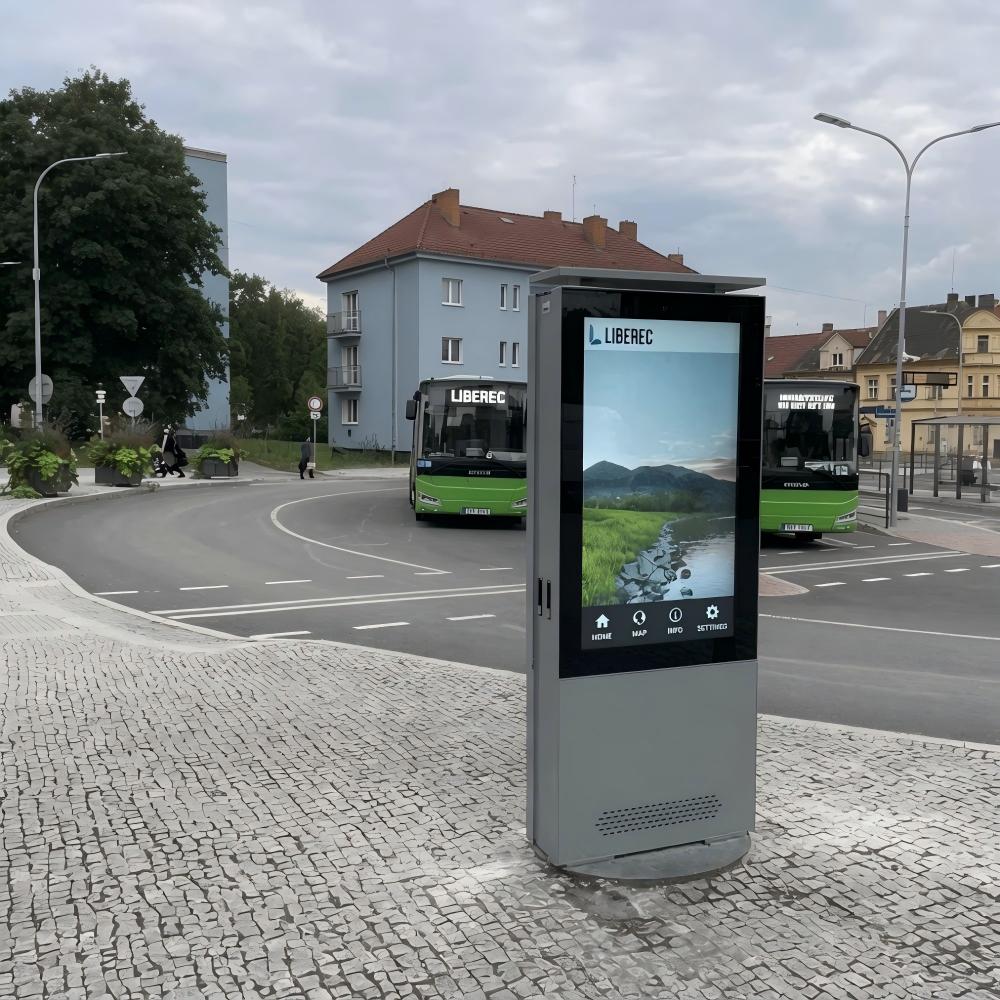 2026-06-30What is High Haze Anti-Glare Glass for Advertising Displays?
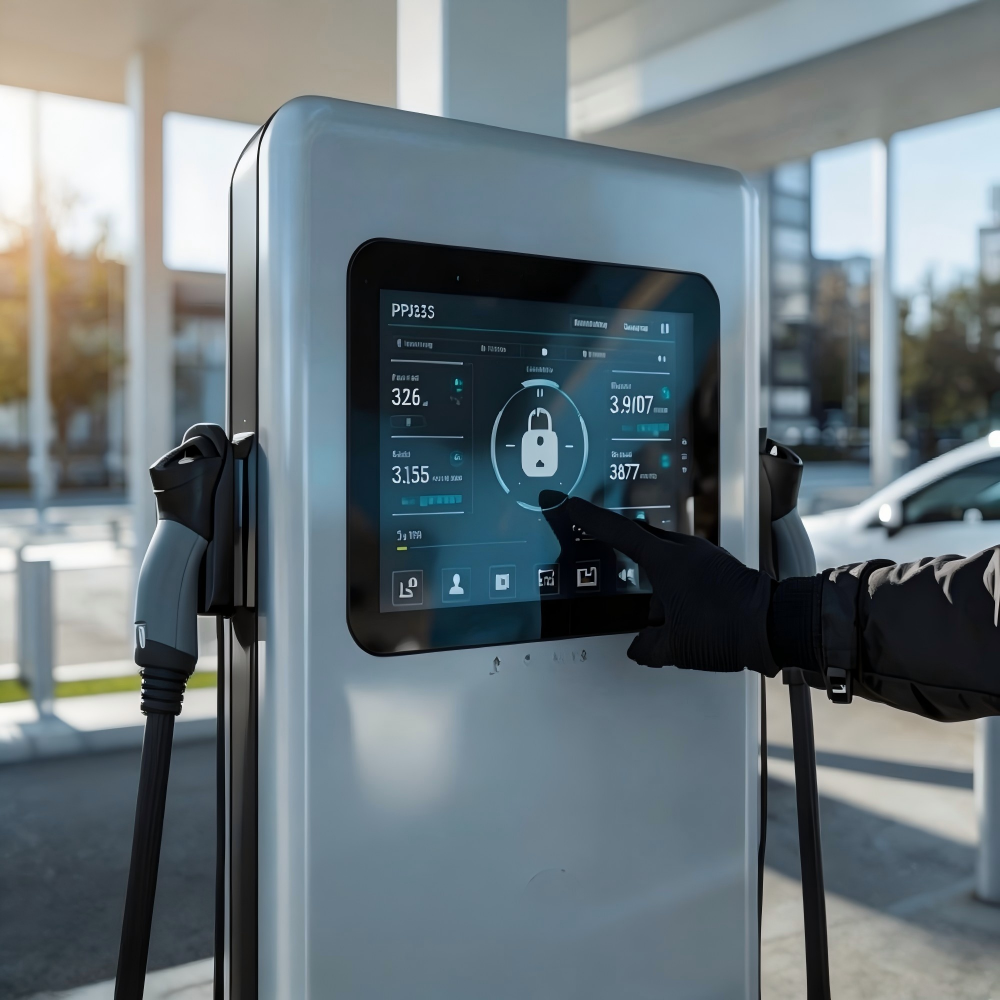 2026-06-30Optimizing Display Legibility for Outdoor EV Charging Infrastructure: A Technical Guide to Sunlight-Readable LCD Design
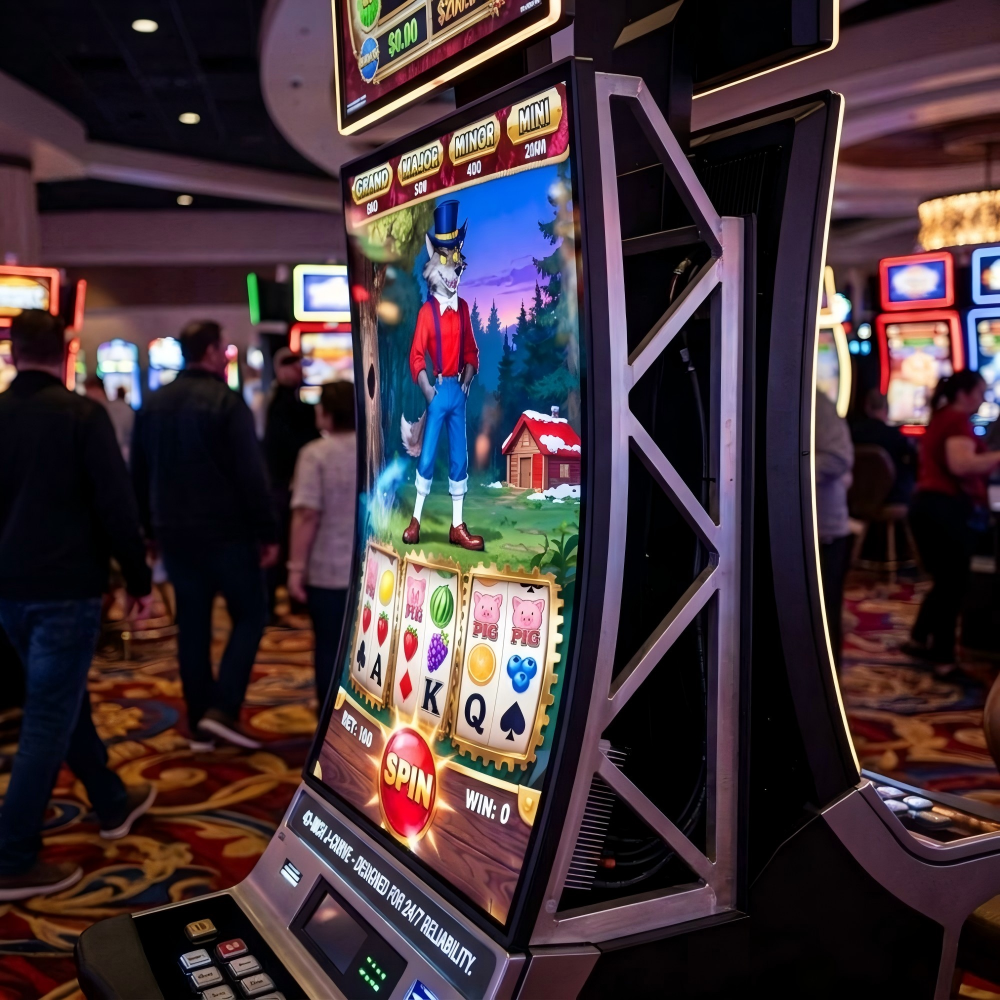 2026-06-29How Curved LCD Displays Ensure 24/7 Reliability in High-Traffic Gaming Environments
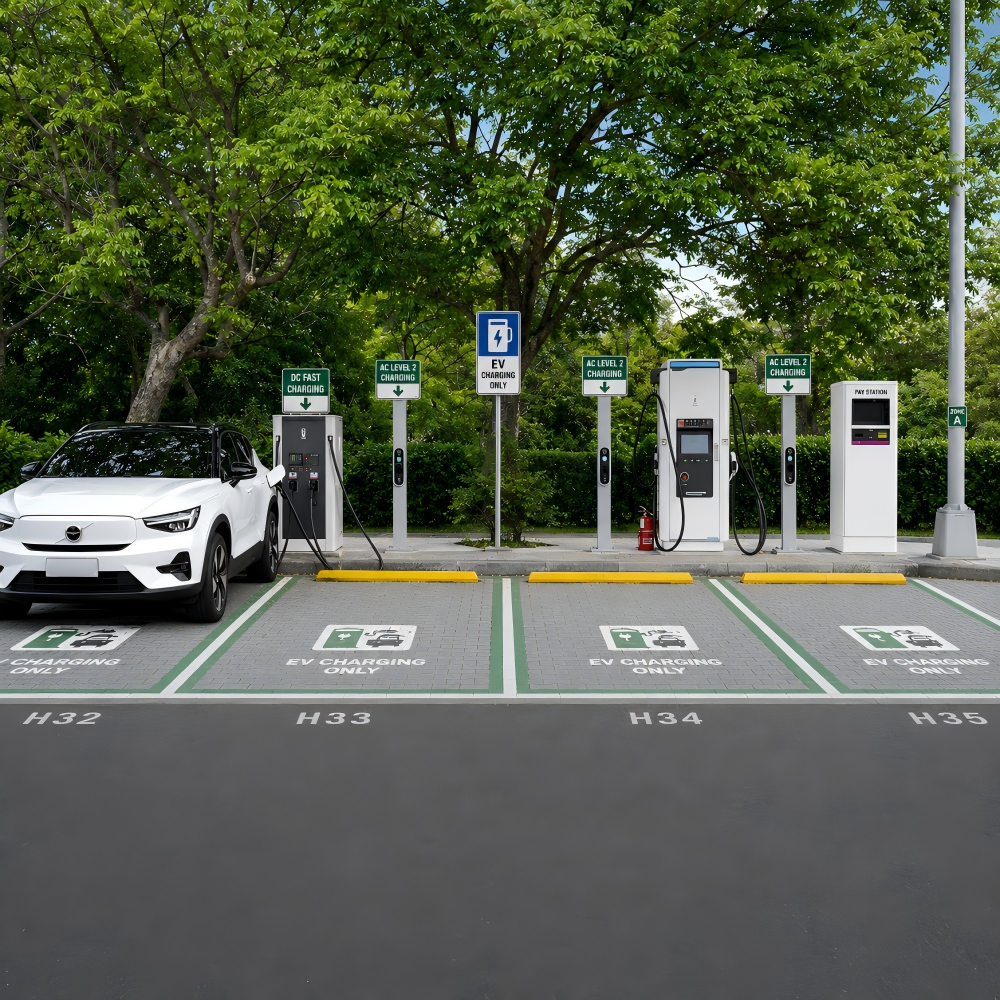 2026-06-23How Many Nits of Brightness Are Required for an EV Charging Station Display to Be Sunlight-Readable?
 2026-06-23What Touch Technology Is Best for EV Charging Station LCD Displays?


Products
Commercial LCD Display
Gaming LCD Module
Outdoor Display
MINI-LED LCD Display
High Resolution Medical Display
OLED Display
Total Solutions
E-ink LCD Display
Desk VR Monitor
Service
Custom Touch Screen Solutions
Customized Frames & Protective Cover Glass
LCD Driver Board & Accessory Customization
Contact us
Contact Us
Copyright © 2025 Shenzhen Aptus Technology Co.,Ltd All Rights Reserved.

-
Inquire
- Top