Professional commercial display solution provider

- Home
-
Products
Professional commercial display solutions
-
About us
In good faith to customers
-
Service
Provide professional and meaningful advice
-
Knowledge Center
Innovation for development
- Contact us
How to Design a High-Brightness Custom LCD Display Solution?
How to Design a High-Brightness Custom LCD Display Solution?
A high-brightness custom LCD display solution should be designed by combining the right LCD panel, backlight system, optical enhancement technologies, thermal management, and environmental protection features. For outdoor applications, simply increasing LCD brightness is not enough. A reliable solution must improve sunlight readability, maintain stable performance under temperature changes, and support long-term 24/7 operation.
High-brightness custom LCD displays are widely used in outdoor digital signage, advertising kiosks, EV charging stations, self-service terminals, and public information displays. A professional display design considers the actual installation environment, including sunlight exposure, viewing distance, operating temperature, touch requirements, and mechanical protection.
For applications that require excellent visibility in outdoor environments, customized solutions usually combine high-brightness TFT LCD panels, optical bonding technology, anti-glare treatments, customized touch panels, and thermal control systems.
Learn more about customized outdoor LCD display solutions
What Is a High-Brightness Custom LCD Display Solution?
A high-brightness custom LCD display solution is an LCD system engineered to deliver clear and readable images in environments with strong ambient light or direct sunlight. Unlike standard indoor LCD modules, outdoor high-brightness displays are designed for higher luminance output, improved contrast performance, and enhanced durability.
A complete customized solution may include:
- High-brightness TFT LCD panel
- High-efficiency LED backlight system
- Optical bonding structure
- Anti-glare and anti-reflection surface treatment
- Customized touch panel integration
- Display driver board customization
- Protective glass and mechanical housing
- Thermal management system
The purpose of a high-brightness display is not only to achieve higher brightness but also to maintain image clarity, color accuracy, and reliability in challenging environments.
Choosing the Right Brightness Level for Outdoor LCD Applications
Brightness selection depends on the installation environment and lighting conditions.
Indoor commercial displays typically operate between 400 and 700 nits, while outdoor displays exposed to sunlight often require 1000 nits or higher. For direct sunlight applications such as outdoor advertising machines and EV charging displays, brightness levels above 2000 nits may be required.
However, brightness alone does not guarantee outdoor readability. When sunlight hits the display surface, reflected light reduces contrast and makes images appear unclear. Therefore, high-brightness LCD designs must combine luminance performance with optical improvement technologies.
A properly designed outdoor display balances brightness, power consumption, heat generation, and long-term reliability.
Improving Sunlight Readability Through Optical Bonding
Optical bonding is one of the key technologies used in high-brightness outdoor LCD displays.
Traditional LCD assemblies contain an air gap between the LCD panel and cover glass. This gap creates internal reflections, reducing contrast and affecting visibility in bright environments.
Optical bonding removes the air layer by filling the space with optical adhesive between the LCD panel, touch panel, and protective glass.
The advantages include:
- Reduced internal reflections
- Higher outdoor contrast
- Improved sunlight readability
- Better touch sensitivity
- Reduced dust and moisture penetration
- Improved mechanical durability
For outdoor commercial displays, optical bonding allows manufacturers to achieve better visibility without relying only on higher backlight power.
Optimizing the Backlight System for High Brightness
The backlight system directly affects the brightness performance and power efficiency of an LCD display.
A customized high-brightness display typically uses high-efficiency LED backlights designed for continuous operation. The backlight design should consider:
- Brightness uniformity
- LED lifetime
- Power consumption
- Heat generation
- Brightness adjustment capability
Outdoor displays often benefit from automatic brightness control, which adjusts the backlight according to surrounding light conditions. This helps reduce power consumption during low-light conditions while maintaining visibility under strong sunlight.
Managing Heat in High-Brightness LCD Displays
Higher brightness requires stronger LED backlighting, which generates additional heat. Without proper thermal management, excessive heat can reduce display lifetime and affect image quality.
A reliable outdoor LCD design may include:
- Aluminum heat dissipation structures
- Thermal conductive materials
- Metal rear housing
- Temperature sensors
- Intelligent cooling systems
Thermal design is especially important for outdoor displays operating continuously in hot climates or under direct sunlight.
A professional custom display supplier should evaluate both display brightness and heat dissipation requirements during the early design stage.
Selecting Outdoor-Grade LCD Components
High-brightness outdoor LCD solutions require components designed for demanding environments.
Important considerations include:
Wide Temperature LCD Panel
Outdoor displays may operate in extreme weather conditions, including high summer temperatures and cold winter environments. Wide-temperature LCD panels help maintain stable performance across a wider operating range.
Reliable Display Controller
The driver board should support stable operation and flexible integration with different systems.
Common interfaces include:
- LVDS
- eDP
- MIPI DSI
- HD-MI
Interface selection depends on resolution, display size, system architecture, and customer requirements.
Using Anti-Glare and Anti-Reflection Technologies
Even a high-brightness LCD panel may experience poor visibility if surface reflections are not controlled.
Common optical treatments include:
Anti-Glare (AG)
Reduces surface reflection by scattering external light and improves readability in outdoor environments.
Anti-Reflection (AR)
Improves light transmission and reduces reflected images on the display surface.
Anti-Fingerprint (AF)
Provides easier maintenance and improved user experience for touch displays.
Combining optical treatments with optical bonding creates a more effective sunlight-readable display solution.
Designing Custom Touch Panel Integration
Many outdoor commercial displays require interactive functions.
A custom high-brightness LCD solution can integrate:
- Projected capacitive touch panels
- Protective cover glass
- Multi-touch functions
- Customized cover lens designs
Outdoor touch displays must consider environmental factors such as rain, gloves, dust, and accidental touch interference.
Optical bonding between the LCD, touch panel, and protective glass improves both visual performance and touch reliability.
Protecting the Display for Outdoor Environments
A complete outdoor LCD solution requires mechanical protection beyond the display module itself.
Important protection features include:
- Waterproof enclosure design
- Dust protection
- Impact-resistant glass
- Weather-resistant housing
- Long-term operation capability
Depending on the application, outdoor displays may require protection levels such as IP-rated sealing and impact-resistant structures.
These features are essential for applications including outdoor kiosks, advertising displays, EV charging stations, and public information terminals.
Applications of High-Brightness Custom LCD Displays
High-brightness customized LCD solutions are commonly used in:
Outdoor Digital Signage
Advertising displays require excellent visibility, stable color performance, and reliable 24/7 operation.
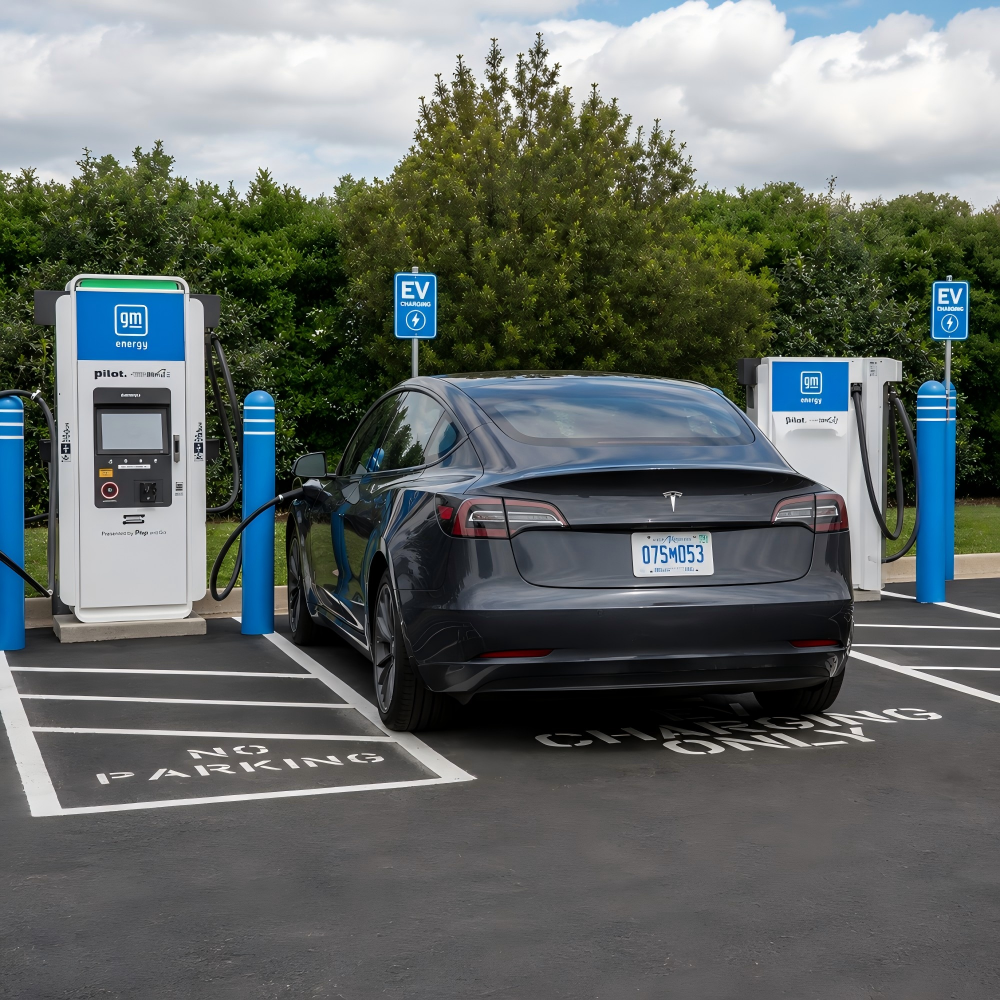
EV Charging Stations
Outdoor charging terminals require displays that remain readable under sunlight while supporting touch interaction.
Self-Service Kiosks
Ticket machines, payment terminals, and information kiosks need durable displays with strong environmental resistance.
Public Information Displays
Transportation systems and smart city equipment rely on outdoor LCD displays for clear information presentation.
How to Select a High-Brightness LCD Display Manufacturer?
A reliable display supplier should provide complete customization capabilities, including:
- LCD panel selection
- Brightness optimization
- Optical bonding services
- Touch panel integration
- Driver board development
- Mechanical customization
- Reliability testing
The supplier should also understand the application environment and provide solutions based on real operating conditions rather than only supplying standard LCD modules.
Testing capabilities such as temperature testing, continuous operation testing, optical performance evaluation, and durability verification are important indicators of manufacturing expertise.
Conclusion
Designing a high-brightness custom LCD display solution requires a complete system approach. The best outdoor display performance comes from the combination of high-brightness LCD technology, optical bonding, thermal management, protective design, and application-specific customization.
For outdoor advertising, EV charging stations, kiosks, and public display systems, a customized LCD solution ensures better sunlight readability, longer service life, and more reliable operation.
Duobond Display provides customized outdoor LCD display solutions designed for demanding commercial applications, helping customers achieve high visibility and stable performance in outdoor environments.
Recommended reading
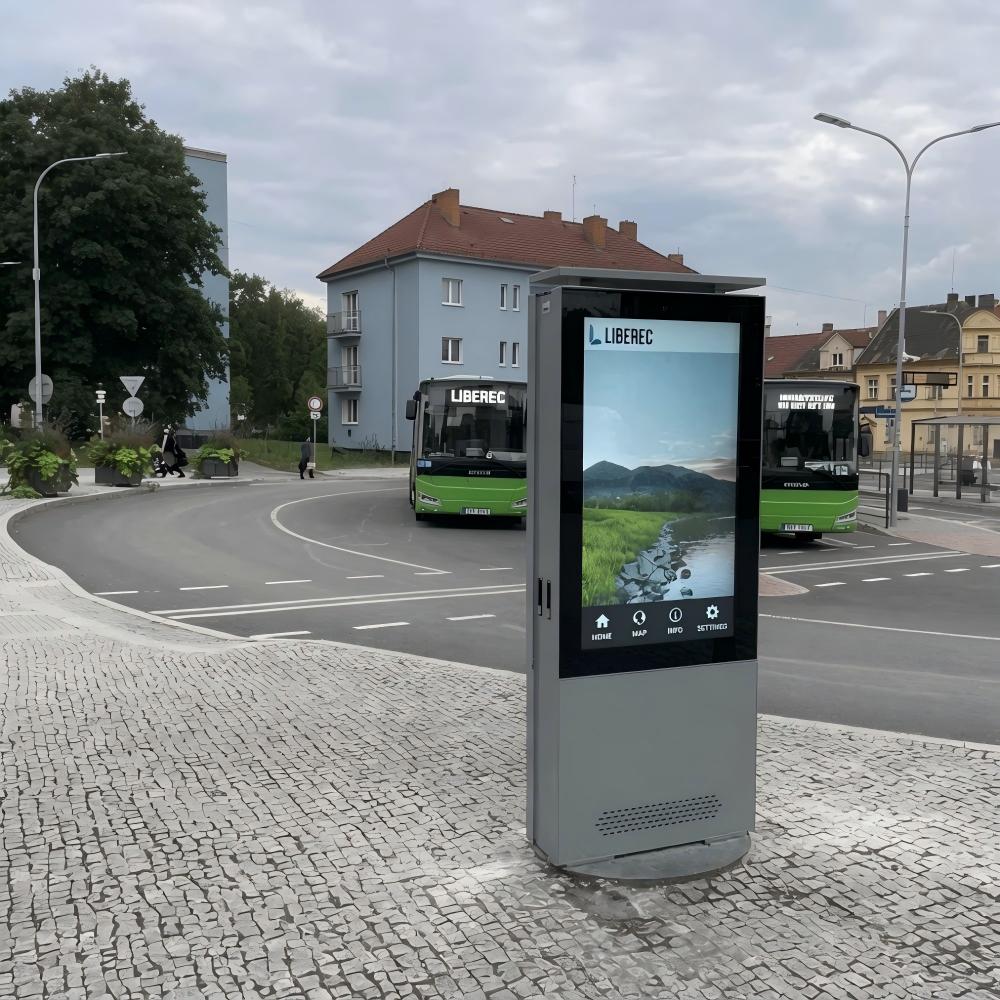 2026-06-30What is High Haze Anti-Glare Glass for Advertising Displays?
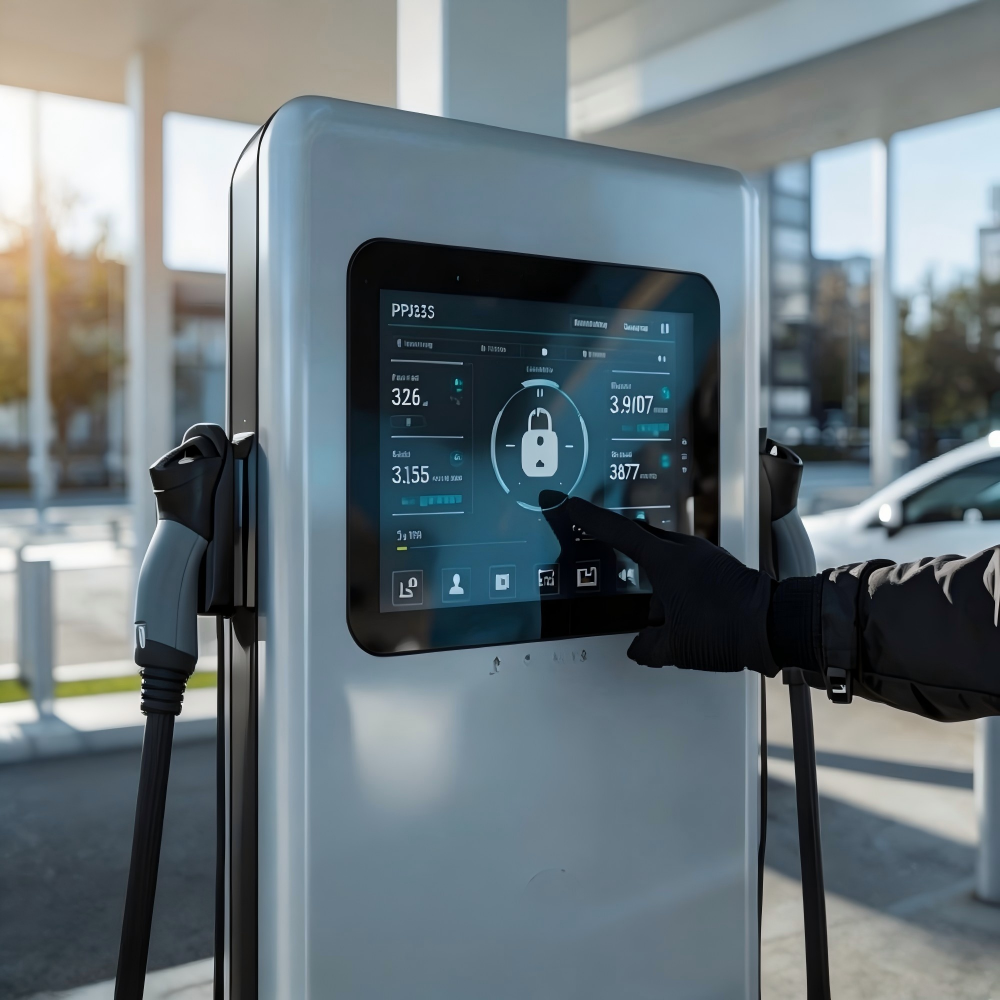 2026-06-30Optimizing Display Legibility for Outdoor EV Charging Infrastructure: A Technical Guide to Sunlight-Readable LCD Design
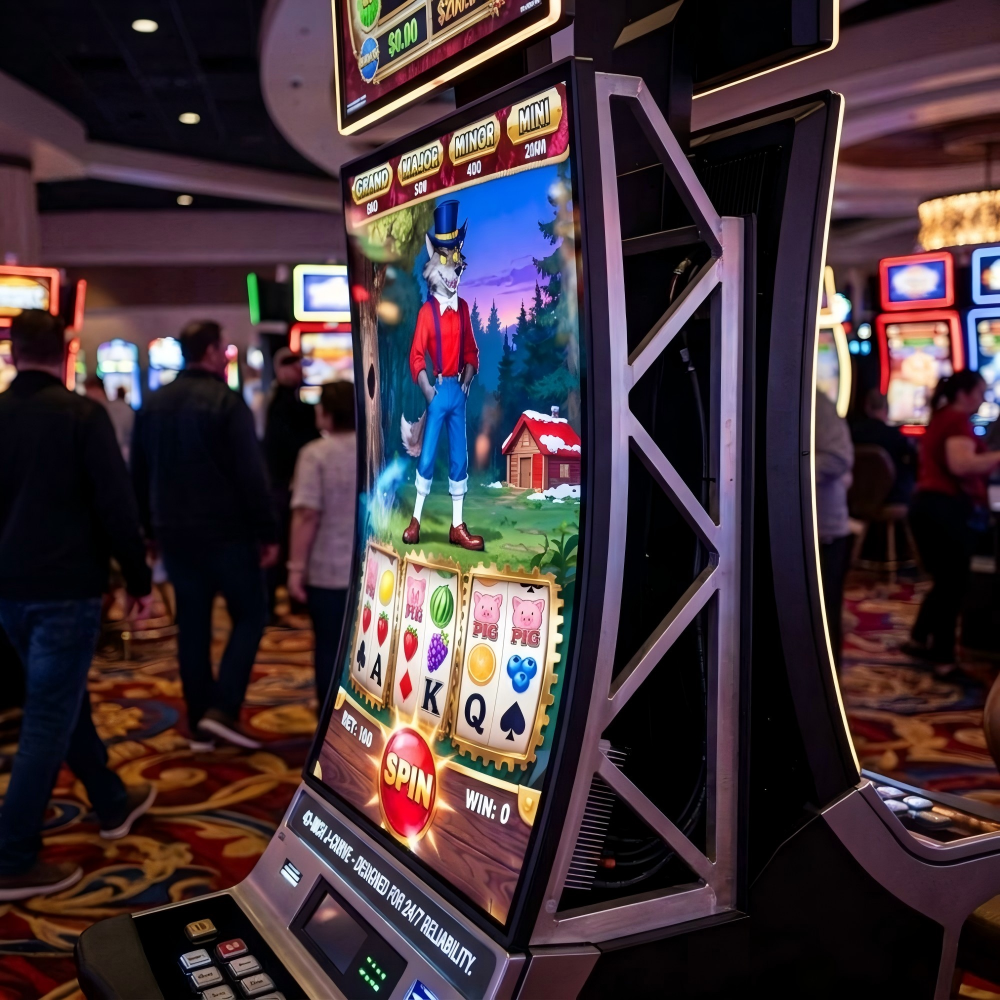 2026-06-29How Curved LCD Displays Ensure 24/7 Reliability in High-Traffic Gaming Environments
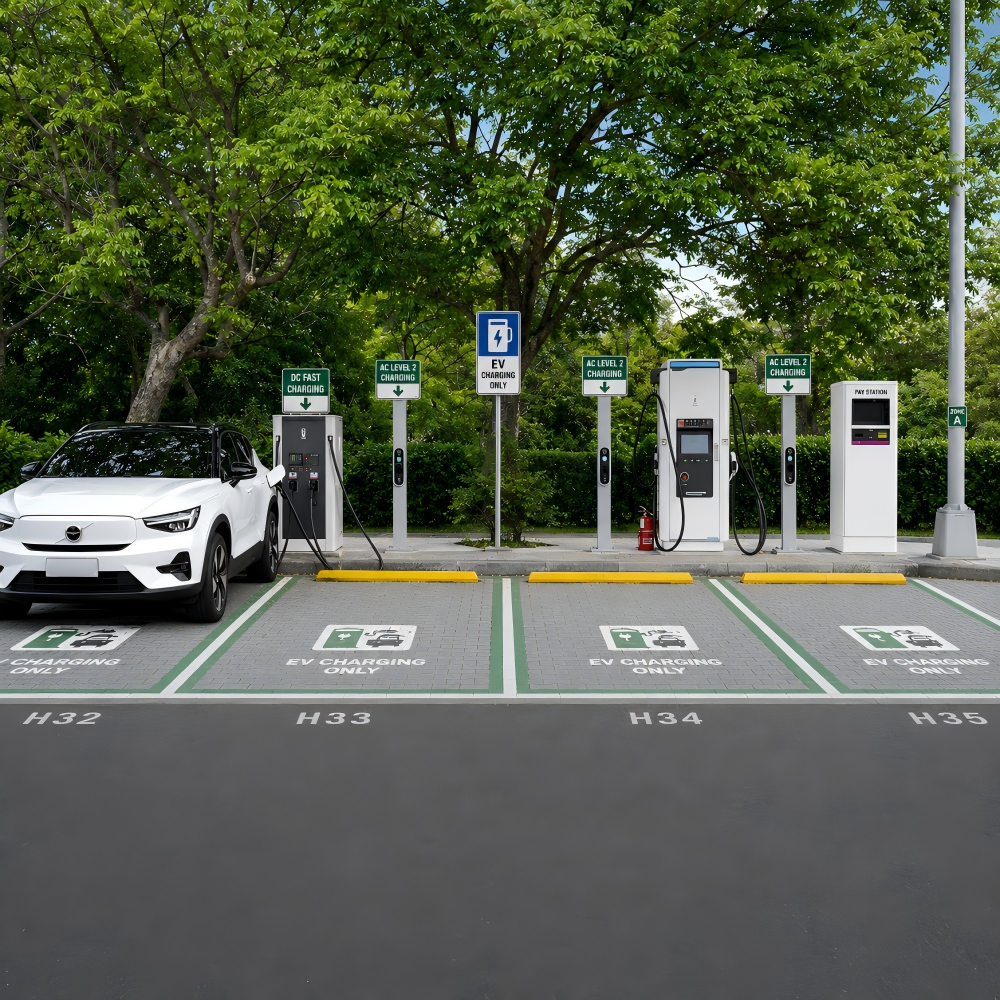 2026-06-23How Many Nits of Brightness Are Required for an EV Charging Station Display to Be Sunlight-Readable?
 2026-06-23What Touch Technology Is Best for EV Charging Station LCD Displays?

Products
Commercial LCD Display
Gaming LCD Module
Outdoor Display
MINI-LED LCD Display
High Resolution Medical Display
OLED Display
Total Solutions
E-ink LCD Display
Desk VR Monitor
Service
Custom Touch Screen Solutions
Customized Frames & Protective Cover Glass
LCD Driver Board & Accessory Customization
Contact us
Contact Us
Copyright © 2025 Shenzhen Aptus Technology Co.,Ltd All Rights Reserved.

-
Inquire
- Top